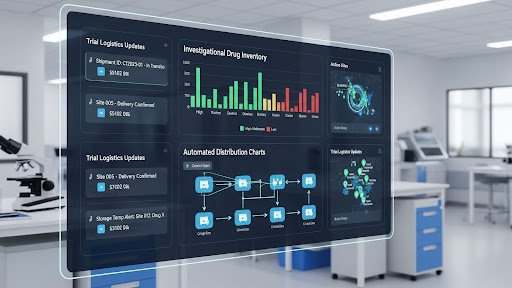
Clinical trials are essential for developing new therapies and ensuring patient safety, but managing the logistics of these trials can be complex and error-prone. A clinical trial supply management system simplifies this process by streamlining the planning, tracking, and distribution of clinical trial materials.
From investigational drugs to ancillary supplies, an effective system ensures accurate inventory control, reduces waste, and maintains compliance with regulatory standards. By integrating technology and automation, organizations can monitor supply levels, manage resupplies, and optimize trial timelines. In today’s competitive research environment, adopting a robust clinical trial supply management system is a critical step toward operational efficiency and trial success.
What is a Clinical Trial Supply Management System?
A clinical trial supply management system is specialized software designed to handle all aspects of clinical trial logistics. It tracks investigational products from manufacturing through distribution to trial sites, ensuring that every participant receives the right materials at the right time. This system integrates data from multiple sources to provide a centralized platform for supply planning, inventory management, and reporting. By reducing manual processes and human error, it helps sponsors, contract research organizations (CROs), and clinical teams maintain regulatory compliance and improve overall trial efficiency.
Key Features of a Clinical Trial Supply Management System
1. Inventory Tracking and Management
The system enables real-time tracking of trial supplies, including investigational drugs, placebos, and ancillary materials. It helps prevent shortages or overstocking and ensures that clinical sites always have the necessary resources for patient care.
2. Automated Resupply and Distribution
A clinical trial supply management system can automate the resupply process based on consumption data, minimizing delays and interruptions. Distribution planning becomes easier, reducing logistical errors and costs associated with manual coordination.
3. Regulatory Compliance
Maintaining compliance with regulatory guidelines is critical in clinical trials. The system provides detailed documentation of supply chain activities, including shipment records, temperature logs, and accountability tracking, ensuring adherence to Good Clinical Practice (GCP) standards.
4. Forecasting and Planning
Advanced analytics within the system allow trial managers to forecast supply needs accurately. Predictive tools help optimize production schedules, reduce waste, and allocate resources efficiently across multiple trial sites.
5. Integration with Clinical Trial Management Systems
A clinical trial supply management system can integrate with other clinical trial software, providing a seamless flow of data. Integration improves decision-making, reporting, and coordination between clinical operations and supply management teams.
Benefits of Using a Clinical Trial Supply Management System
- Enhanced Accuracy: Automated tracking reduces human errors in supply distribution.
- Operational Efficiency: Streamlined processes save time and resources for clinical teams.
- Cost Savings: Efficient inventory management prevents overproduction and wastage.
- Compliance Assurance: Detailed reporting ensures adherence to regulatory requirements.
- Improved Trial Timelines: Supply chain visibility allows timely intervention and adjustments.
How to Choose the Right Clinical Trial Supply Management System
When selecting a system, consider the following factors:
- User-Friendly Interface: A simple and intuitive interface ensures smooth adoption by clinical teams.
- Scalability: The system should support multi-site trials and adapt to growing supply needs.
- Customization Options: Ability to tailor workflows to specific trial requirements.
- Data Security: Compliance with data protection standards is critical for sensitive trial information.
- Technical Support: Reliable vendor support ensures uninterrupted system performance.
Conclusion
A clinical trial supply management system is no longer a luxury but a necessity in modern clinical research. It streamlines supply logistics, ensures regulatory compliance, and improves trial efficiency, ultimately contributing to faster, safer, and more successful clinical studies. By investing in the right system, organizations can focus on patient outcomes and research innovation rather than logistical challenges. For clinical teams aiming to optimize operations and reduce errors, a clinical trial supply management system offers a comprehensive solution to meet the evolving demands of clinical trials.