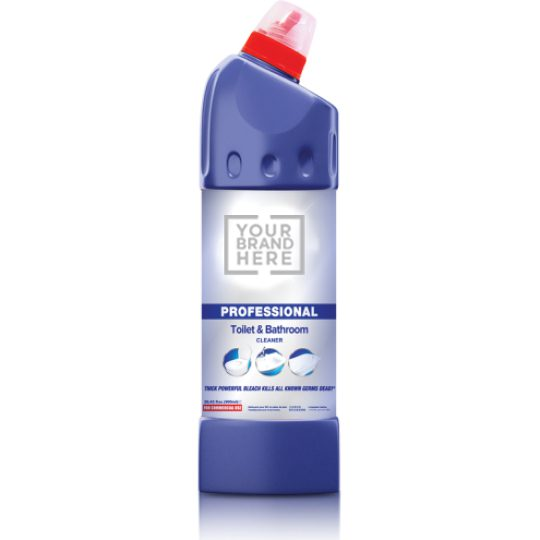
Bathroom hygiene relies on well-formulated cleaning solutions that remove stains, bacteria, and odor while protecting surfaces. A reliable toilet bowl cleaner combines balanced acidity, surfactants, and stabilizers to break down deposits without harming ceramic coatings. Through careful formulation and testing, manufacturers ensure cleaners spread evenly, penetrate stubborn buildup, and remain stable during storage. These advanced formulations help maintain consistent hygiene standards across residential, hospitality, and commercial environments.
Precision Ingredient Engineering for Bathroom Cleaners
Precise ingredient blending forms the foundation of effective bathroom cleaning products. Formulators evaluate acidity levels, surfactant strength, and stabilizing compounds so that each component supports the others. Balanced chemistry ensures stains dissolve quickly while surfaces remain protected from excessive chemical reactions. Careful formulation also improves storage stability and predictable cleaning performance across repeated usage environments and manufacturing batches.
Controlled Acid Structure
- Controlled acid structure allows cleaners to dissolve mineral buildup without damaging ceramic coatings. Formulators calculate acidity levels carefully so the solution remains strong enough to remove deposits while still protecting bathroom surfaces.
- Balanced acidity ensures that stains break down quickly, but the chemical reaction stays controlled. This helps maintain the shine and structural integrity of fixtures used frequently in residential and commercial spaces.
Stabilizing Components
- Stabilizing ingredients help maintain the chemical integrity of cleaning liquids during storage and transportation. These compounds prevent ingredient separation or degradation, allowing the formulation to retain its effectiveness over time.
- Without proper stabilization, active cleaning agents could lose strength or react prematurely. Stabilizers, therefore, protect the formula so it performs reliably even after long storage periods.
Surfactant Performance
- Surfactant systems help loosen grease, soap scum, and organic residue attached to bathroom surfaces. By reducing surface tension, these ingredients allow the cleaning liquid to spread evenly across ceramic and porcelain areas.
- Even distribution improves the interaction between active chemicals and stubborn deposits. This enables faster breakdown of stains and reduces the effort required during cleaning.
Optimized Cleaning Performance Through Advanced Formulas
High-performance bathroom cleaners depend on scientifically optimized formulations designed to improve stain removal and surface interaction. Within these systems, a toilet bowl cleaner must deliver powerful cleaning while remaining safe for repeated use on ceramic fixtures. Manufacturers refine viscosity, foaming action, and chemical balance so cleaning solutions cling to surfaces and dissolve stains effectively.
Controlled Foaming Behavior
- Controlled foaming technology allows cleaning liquids to cling to vertical surfaces inside bathroom fixtures. This extended contact time improves the interaction between active chemicals and stubborn residue.
- When foam remains stable for longer periods, the formulation can dissolve stains more effectively without requiring excessive scrubbing.
Viscosity and Surface Coverage
- Balanced viscosity ensures the cleaning solution spreads evenly across bathroom surfaces. Proper thickness prevents the liquid from dripping too quickly while still allowing smooth application.
- Even coverage helps the formula reach corners and curved surfaces where deposits frequently accumulate.
Manufacturing Precision
- Advanced production systems allow manufacturers to maintain consistent ingredient ratios during large-scale manufacturing. This precision ensures that every batch delivers the same cleaning performance.
- Quality monitoring processes verify stability, safety, and effectiveness throughout the production cycle.
Targeted Stain Removal for Tough Bathroom Deposits
Bathroom fixtures often accumulate stubborn discoloration caused by minerals, bacteria, and organic buildup. Advanced cleaning formulations are therefore designed to break down these deposits efficiently while protecting surfaces. In many formulations, specialized ingredients act as a toilet stain remover by dissolving discoloration without damaging ceramic coatings.
Mineral Deposit Breakdown
- Hard water minerals often create tough stains that ordinary cleaning liquids cannot remove easily. Specialized chemical blends dissolve these mineral layers and restore the original appearance of fixtures.
- Effective mineral removal also helps prevent long-term buildup that can affect hygiene and surface appearance.
Deep Surface Penetration
- Stains can settle into small crevices and textured surfaces inside bathroom fixtures. Improved penetration technology allows cleaning liquids to reach these hidden deposits.
- Deeper penetration ensures more thorough sanitation while reducing the need for repeated cleaning cycles.
Conclusion
Advanced formulation techniques allow bathroom cleaners to combine chemical precision with effective stain removal and surface protection. Through ingredient balance, manufacturing accuracy, and improved cleaning technologies, these solutions deliver reliable sanitation across different environments.
Modern hygiene systems often integrate multiple products working together, including bathroom solutions and broader surface cleaners such as floor cleaners. Within this evolving hygiene manufacturing landscape, companies such as Perfect Hygiene contribute to the development of reliable formulations and production practices that support consistent cleaning performance and improved sanitation standards.
For more information, visit: regulararticles.com