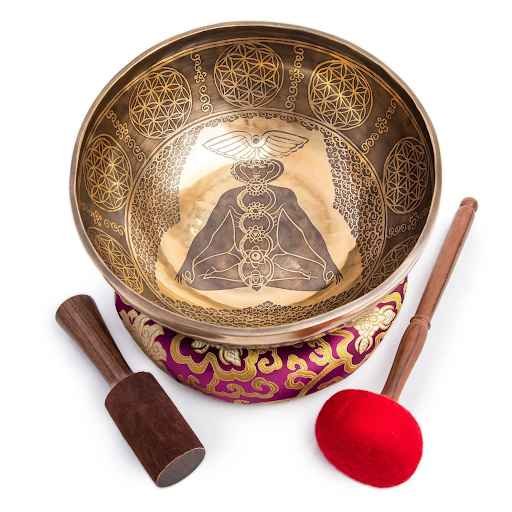
The practice of sound-based healing has been deeply rooted in Himalayan traditions for centuries, where vibration and resonance are believed to influence emotional and mental balance. Among these sacred instruments, the traditional Tibetan singing bowl is widely recognized for its ability to produce calming tones that support meditation, mindfulness, and relaxation. Its sound is often used to create an environment of focus and inner stillness, making it a valuable tool in both traditional and modern wellness practices.
These instruments are not only musical objects but also spiritual companions that help practitioners shift attention inward. Their soothing vibrations are used in meditation sessions, yoga studios, and healing spaces to encourage emotional clarity and mental peace.
Historical Roots of Sound Healing Practices
Sound healing has been an integral part of Himalayan culture for generations, with spiritual practitioners using sound vibrations to restore balance and harmony. These traditions view sound as a bridge between physical awareness and deeper consciousness.
The evolution of sound tools reflects a long history of craftsmanship and spiritual discipline. Monks and artisans developed instruments capable of producing sustained resonance, believing these tones could align the mind and body. Over time, these practices spread beyond monasteries and became part of broader wellness traditions.
Spiritual Significance of Singing Bowls
The use of singing bowls in meditation is closely linked to spiritual symbolism and mindful awareness. Their tones are often associated with purification, focus, and emotional grounding.
The traditional Tibetan singing bowl plays an essential role in these practices, offering a sound that helps guide attention and encourage meditative depth. Practitioners often use its vibration as an anchor during mindfulness sessions, allowing them to remain present and centered throughout their practice.
The resonance created by these bowls is believed to influence mental states by reducing distractions and promoting calmness. This makes them valuable tools in both personal meditation and guided group sessions.
Craftsmanship and Material Significance
The creation of sound healing instruments involves skilled craftsmanship passed down through generations. Each bowl is carefully shaped and tuned to produce a specific tone that aligns with traditional sound principles.
A well-crafted handmade singing bowl reflects both artistic skill and cultural heritage. Artisans use traditional metalworking techniques to ensure that each piece carries a unique tonal quality, making every bowl distinct in its sound and energy.
The materials used in these instruments are carefully selected to ensure resonance and durability. This attention to detail ensures that the bowls maintain their sound quality over time, supporting consistent meditation practice.
Role in Modern Wellness Practices
In contemporary wellness environments, sound healing tools are widely used to enhance relaxation and mindfulness experiences. Their application extends across yoga studios, therapy centers, and personal meditation spaces.
-
Supporting Meditation Focus
Sound bowls help individuals concentrate by providing a steady auditory anchor. This allows practitioners to maintain awareness during meditation sessions and reduce mental distractions.
-
Enhancing Emotional Balance
The vibrations produced by these instruments are often associated with emotional grounding. Many users report a sense of calm and clarity after engaging with sound-based practices.
-
Improving Breath Awareness
The resonance encourages slower breathing patterns, which support relaxation and deeper mindfulness. This connection between sound and breath strengthens meditation outcomes.
-
Creating Harmonious Environments
Wellness practitioners often use sound tools to establish peaceful atmospheres in group settings. This helps participants feel more connected and aligned during sessions.
-
Strengthening Mindfulness Habits
Regular exposure to sound healing practices can reinforce daily meditation routines, helping individuals develop long-term mindfulness discipline.
Integration in Yoga and Meditation Spaces
Sound healing tools are now commonly integrated into yoga classes and meditation workshops. Their presence helps structure sessions and guide participants through different stages of practice.
In group environments, sound is often used at the beginning or end of sessions to signal transitions. This helps create a sense of rhythm and awareness, allowing participants to move smoothly between physical movement and stillness.
The use of sound also enhances the overall experience by encouraging participants to remain present and engaged throughout the practice.
Emotional and Psychological Benefits of Sound Healing
Sound-based meditation practices offer several emotional and psychological advantages that contribute to overall well-being.
- Reducing Stress Levels: The calming tones help lower stress by encouraging relaxation and slowing down mental activity. This allows the mind to settle into a peaceful state.
- Improving Mental Clarity: Regular use of sound tools helps clear mental clutter and improves focus, making it easier to concentrate on daily tasks and meditation practices.
- Supporting Emotional Release: The vibrations are often associated with emotional healing, helping individuals process feelings and release tension stored in the body.
- Encouraging Mindful Awareness: Sound serves as a reminder to stay present, helping individuals build stronger mindfulness habits over time.
Cultural and Symbolic Importance
Sound healing tools also carry deep cultural meaning, representing harmony, balance, and spiritual growth. Their continued use preserves traditional knowledge and keeps ancient practices alive in modern contexts.
These instruments are often linked with broader Himalayan spiritual traditions that emphasize the connection between sound, mind, and consciousness. Their symbolic presence in meditation spaces reinforces the importance of mindfulness and intentional living.
Connection Between Sound and Meditation Practice
The relationship between sound and meditation is based on the principle that vibration influences awareness. When used consistently, sound tools help practitioners develop a deeper understanding of their mental and emotional states.
The rhythmic resonance of these instruments serves as a guide, supporting transitions into meditative awareness. This makes them valuable for both beginners and experienced practitioners seeking to deepen their practice.
Conclusion
Ancient sound healing tools continue to play an important role in modern meditation and wellness practices by bridging traditional wisdom with contemporary mindfulness approaches. Their ability to create focus, emotional balance, and inner calm makes them essential instruments for holistic well-being.
Understanding concepts like prayer flags meaning alongside sound healing traditions offers a deeper appreciation of Himalayan spiritual culture and its emphasis on harmony and intention. In this context, Himalayan Bazaar provides thoughtfully curated collections that reflect authentic craftsmanship and preserve the heritage of these sacred traditions, offering practitioners meaningful tools to support their meditation journey.