Commodity markets connect global business, economic policy, weather, technology, and everyday demand. From energy and precious metals to agricultural products, commodities influence production costs, inflation, and international trade. For anyone entering this fast-moving market, becoming a commodity trader involves more than watching prices rise and fall. It requires market knowledge, disciplined decisions, risk management, and the right tools.
Modern commodity trading also requires traders to stay informed about the factors that can quickly influence market conditions. Global supply disruptions, currency fluctuations, geopolitical developments, interest-rate changes, and shifts in consumer demand can all create significant price movements. By combining reliable market research with analytical tools and a well-defined trading strategy, participants can make more informed decisions and respond to changing opportunities while keeping potential risks under consideration.
What Is Commodity Trading?
Commodity trading involves buying and selling contracts linked to physical raw materials or their market prices. Common categories include energy commodities such as crude oil and natural gas, metals such as gold and silver, and agricultural commodities such as wheat, coffee, and cotton. Prices can move for many reasons. Supply disruptions, geopolitical developments, seasonal patterns, currency movements, interest-rate expectations, inventory levels, and changes in global consumption can influence market sentiment.
Why Commodity Markets Require a Strategic Approach
Unlike markets influenced mainly by company earnings, commodities are closely connected to real-world supply and demand. A drought can affect agricultural output, while a production cut can alter energy prices. Stronger industrial demand can influence metals, while changing economic expectations can affect precious metals. This interconnected nature creates opportunities but also introduces uncertainty. Successful participation depends on developing a clear process rather than reacting emotionally to every market movement. Traders should identify objectives, understand their instruments, define acceptable risk, and evaluate information before entering a position.
Key Elements Every Modern Trader Should Understand
Market Fundamentals
Fundamental analysis focuses on economic and physical factors that can affect commodity prices. Traders may examine production figures, inventories, consumption trends, export data, weather conditions, central-bank decisions, and geopolitical developments. The importance of each factor varies by commodity. Agricultural markets, for example, may respond strongly to weather forecasts and crop reports, while energy markets can react to production decisions and inventory changes.
Technical Analysis
Technical analysis examines price behaviour through charts, patterns, indicators, and historical data. Tools such as moving averages, support and resistance levels, trend lines, momentum indicators, and candlestick patterns can help traders assess market conditions. Instead, it provides a structured way to interpret price action and identify potential entry, exit, and risk-management levels. Combining technical observations with fundamental research can provide a more balanced view.
Risk Management
Risk management is central to commodity trading because prices can change quickly. A sound strategy should consider position size, stop-loss levels, leverage, available capital, and the potential impact of adverse price movements. Traders should avoid risking more capital than they can reasonably afford to lose. A trading plan should be established before emotions influence decisions during periods of volatility.
The Role of Technology in Commodity Trading
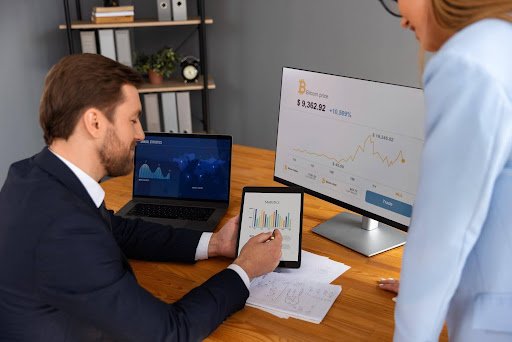
Technology has transformed how traders access and analyse financial markets. Participants can now use digital platforms to view charts, monitor prices, analyse conditions, and place orders across multiple devices. For those exploring online commodity trading, platform design matters alongside market access. An effective platform should make essential information easy to find, provide useful analytical tools, support efficient order execution, and present costs and trading conditions clearly.
When technology reduces unnecessary complexity, traders can focus more on research, strategy, and risk management. However, sophisticated tools are useful only when traders understand how to apply them. Technology should support a strategy rather than replace one.
Choosing the Right Trading Environment
Selecting a trading platform or broker requires careful evaluation. Traders should examine available instruments, execution model, spreads and commissions, platform functionality, account conditions, funding options, customer support, and applicable regulatory framework.
Traders should understand how charges are structured and what conditions apply before committing funds. It is equally important to review risk disclosures and understand whether products involve leverage or derivatives. A suitable environment should match the trader’s experience and objectives. Beginners may value educational resources and demo accounts, while experienced participants may prioritise advanced charting, execution capabilities, and flexible tools.
Building a Sustainable Trading Routine
Before trading, participants can review major economic events, relevant commodity news, price trends, and existing positions. After trades are closed, maintaining a journal can reveal patterns in decision-making. Recording the reason for each trade, entry and exit points, risk taken, outcome, and emotional state can help identify strengths and weaknesses. Reviewing previous trades and updating strategies based on evidence can help traders remain adaptable without abandoning discipline.
The Importance of Responsible Participation
Commodity trading can offer opportunities, but it also carries significant financial risk. Leverage can amplify gains and losses, while some leveraged products may result in losses exceeding the initial deposit. Education should therefore come before aggressive trading. Participants should understand the product, evaluate their financial situation and risk tolerance, and use risk controls appropriately. Past performance does not guarantee future results, and no strategy can remove market risk entirely.
Conclusion
Preparation can turn market information into deliberate, measurable trading decisions. Modern commodity trading combines market knowledge, technology, analysis, and disciplined risk management. Understanding supply and demand, studying price behaviour, choosing suitable tools, and maintaining a structured routine can help participants approach markets with greater clarity.
As digital access continues to reshape financial markets, online commodity trading can provide a convenient route to participation when supported by transparent conditions, capable technology, and responsible practices. This is where Baazex can fit into the modern trading journey, offering access to multiple asset classes, an intuitive trading environment, advanced tools, and support for traders with different experience levels. Its approach reflects a broader shift toward making market access more streamlined while keeping functionality and transparency central. Whether developing a first strategy or refining an established approach, the essentials remain the same: learn continuously, evaluate risk carefully, use technology thoughtfully, and let discipline guide every decision.