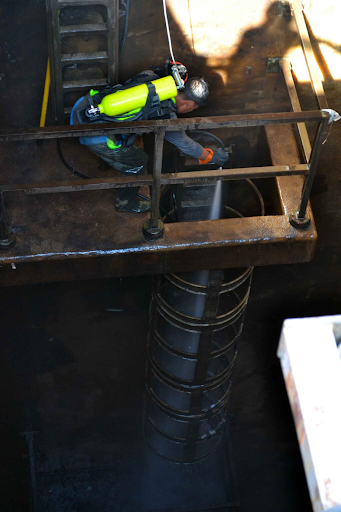
Wastewater pumping systems handle a constant movement of water, solids, and other material, making internal buildup a practical maintenance concern. When sludge accumulates around pumps and connected sections, it can affect flow and increase operational strain. Understanding how regular removal supports cleaner and more manageable systems can help property teams plan maintenance before buildup creates wider drainage problems. A well-maintained sewer lift pump station can support more dependable wastewater movement when sludge is managed as part of routine care.
Understanding the Impact of Sludge Accumulation
Sludge can settle in areas where wastewater slows down, particularly within tanks, wet wells, and other parts of a pumping arrangement. Over time, accumulated material can reduce usable capacity and make it harder for equipment to operate under suitable conditions. The longer buildup remains, the more difficult maintenance can become, especially when access and cleaning require additional preparation.
Regular removal helps keep the system more manageable by taking accumulated waste out before it becomes a larger maintenance concern. It can also give technicians a better opportunity to observe the condition of accessible components during servicing. For property managers, this creates a more structured approach to maintaining wastewater infrastructure and responding to changing site requirements.
How Removal Supports Pumping Efficiency
When sludge and debris collect around pumping equipment, the system may have to work through a less favourable operating environment. Excess material can interfere with available space and affect how wastewater enters, collects, and moves through the station. Removing this buildup helps maintain a cleaner working environment and supports the intended movement of wastewater through the system.
For facilities that depend on continuous wastewater handling, scheduled pumping and cleaning can form an important part of preventive maintenance. A lift station for a septic system in Dubai may also require attention to accumulated material according to its operating conditions and maintenance needs. Proper removal allows technicians to address buildup directly rather than allowing it to remain until it contributes to more difficult servicing requirements.
-
Protecting Available Storage Capacity
As sludge occupies space inside a wastewater holding area, the amount of room available for incoming wastewater can gradually decrease. Removing accumulated material helps preserve usable capacity and keeps the station better prepared for normal inflow.
-
Reducing Unwanted Material Around Equipment
Deposits and debris can gather around areas connected to pumping equipment. Clearing these materials helps technicians maintain a cleaner environment around components that require regular servicing.
-
Supporting Better Maintenance Access
Heavy accumulation can make cleaning and inspection work more difficult. Removing sludge at suitable intervals can help create better working conditions for technicians carrying out required maintenance activities.
-
Helping Identify Changing Conditions
Sludge removal can provide an opportunity to observe what has accumulated inside the station. Changes in the type or amount of material may give maintenance teams useful information when reviewing ongoing drainage requirements.
-
Limiting the Effects of Prolonged Buildup
Leaving accumulated material unattended for extended periods can make future cleaning more demanding. Planned removal helps prevent routine buildup from becoming a larger maintenance task.
Why Planned Sludge Removal Matters
A planned approach allows maintenance teams to consider the station’s usage, wastewater characteristics, operating environment, and previous maintenance observations. Instead of waiting for heavy accumulation to create an obvious problem, property teams can incorporate pumping and cleaning into a broader maintenance schedule that reflects actual site conditions.
This approach is particularly useful for residential communities, commercial properties, industrial facilities, and other sites where wastewater systems form part of essential infrastructure. Maintenance requirements can vary between locations, so service planning should account for the condition and usage of each system rather than following a single routine for every site.
- Review the level of accumulated sludge
- Schedule pumping based on site requirements
- Remove debris from accessible areas
- Check relevant equipment during servicing
- Record maintenance observations
- Plan follow-up work where required
Consistent attention to accumulated material can make future servicing more organised and help maintenance teams respond to changing conditions. It also provides a practical way to connect routine pumping with wider wastewater system care.
Connecting Sludge Removal With Long-Term Care
Sludge removal should be viewed as one part of a broader wastewater maintenance approach rather than an isolated task. Depending on the system and its condition, maintenance may also involve cleaning, inspection, pumping, or other drainage services. Coordinating these activities can help property teams address several maintenance needs through a more structured plan.
Professional servicing also helps ensure that suitable equipment and procedures are considered for the specific site. This is important where wastewater infrastructure serves different property types or where access, accumulated material, and operating conditions can vary. Regular attention can support cleaner systems and make maintenance requirements easier to track over time. Clear maintenance records can also help teams compare observations from one service visit with later visits. When recurring buildup or changing site conditions become visible in those records, managers can discuss appropriate follow-up work with technicians more clearly.
Conclusion
Sludge removal plays an important role in keeping wastewater pumping systems manageable and prepared for continued operation. By clearing accumulated material, property teams can preserve available capacity, support cleaner equipment surroundings, improve maintenance access, and reduce the chance of buildup becoming a more demanding service requirement. Planned removal also creates useful opportunities to observe changing conditions and organise future maintenance around the needs of the system.
Those seeking professional wastewater maintenance can turn to JB ALLO Sewage for specialised support backed by experienced technicians, advanced equipment, and a broad range of drainage services. The company provides sewage lift station pumping alongside high-pressure jetting, CCTV drain surveying, and pipe plug solutions for residential, commercial, industrial, and institutional requirements. For clients needing a lift station for a septic system in Dubai, JB ALLO Sewage can provide technical support focused on effective pumping and responsible maintenance of wastewater infrastructure.