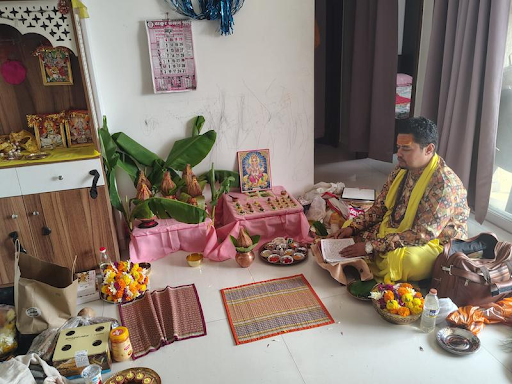
The loss of a loved one brings emotional responsibilities as well as practical decisions for a family. Among the Hindu rites performed after cremation, Asthi Visarjan holds a deeply meaningful place. It involves the immersion of the remaining ashes and bone fragments in a sacred water body, accompanied by prayers and customary rituals. For families who wish to perform asthi visarjan in varanasi, the city of Kashi offers a spiritually significant setting along the Ganga.
Planning this ceremony may feel difficult, especially when family members are travelling from another state or country. Understanding the purpose of the ritual, preparing the required details, and arranging a knowledgeable priest can make the process more organised during an already emotional time.
Understanding the Meaning of Asthi Visarjan
The word asthi refers to the remains collected after cremation, while visarjan refers to immersion or offering into water. In Hindu tradition, the ceremony is performed as part of the rites following cremation. Families offer prayers and seek blessings for the departed, following the customs observed in their community.
The ritual is not merely a physical act of immersion. It is also a moment of remembrance, prayer, and the fulfilment of a family responsibility. Customs may differ according to region, lineage, and religious tradition, so families should consult a priest familiar with their practices.
Why Varanasi Holds Special Significance
Varanasi, also known as Kashi and Banaras, is one of Hinduism’s most revered pilgrimage cities. The Ganga, ancient temples, and long-standing traditions of worship give the city a distinctive spiritual importance. Many families travel to Kashi to perform rites connected with departed relatives.
The ghats along the river are closely associated with religious ceremonies and daily worship. The choice of location for a particular ritual should be discussed with the priest, taking into account the family’s tradition, local arrangements, and prevailing conditions at the riverfront.
For families who cannot easily travel, it is helpful to speak with a service provider about available arrangements and whether a ceremony can be conducted on their behalf.
Preparing Before Travelling
A little preparation can make the visit more manageable. Families should first confirm the date and any customary timing requirements with the priest. They should also ask what documents or personal details are needed and how the ashes should be transported.
The remains should be handled respectfully and kept in a secure, suitable container. If travelling by air or across borders, families should check the relevant airline, transport, and local regulations in advance. Requirements may differ, and it is important not to assume that the same rules apply everywhere.
It can also help to decide which family members will attend, how they will reach the ghat, and whether assistance is needed for elderly relatives.
What Happens During the Ceremony?
The precise sequence depends on the family’s tradition and the priest’s guidance. Generally, the ceremony includes preparatory prayers, a sankalp or statement of religious intention, offerings, and the immersion of the ashes in the designated sacred water body.
The priest may ask for details such as the departed person’s name, gotra where known, and relationship to the family. These details help establish the sankalp according to the customary procedure. Families should provide accurate information and mention if any details are unavailable.
After the immersion, prayers may be offered according to the ritual being followed. The priest can explain each stage so that family members understand its significance and participate appropriately.
Why an Experienced Priest Matters
A knowledgeable priest can guide families through the ceremony, explain the customary sequence, and help coordinate practical arrangements at the ghat. Regional traditions and language preferences can also matter. A family may feel more comfortable when the priest understands its community’s customs and can communicate clearly.
Before confirming a service, ask about the priest’s experience with Asthi Visarjan, the location, the materials included, the expected duration, and any additional costs. Clear answers are particularly important when family members are arranging everything from another city.
Online and Assisted Arrangements
Not every family can travel to Varanasi. Distance, health, work commitments, or the availability of relatives may make an in-person visit difficult. Some service providers arrange rituals through priests at the sacred location, with the ceremony performed on behalf of the family.
Before choosing this option, clarify how the ritual will be conducted, what information is required, whether the family can participate remotely, and whether photographs or videos will be provided. Ask for a clear explanation of the service and its limitations rather than assuming every provider offers identical arrangements.
Planning Costs and Logistics
The overall expense may depend on priest charges, ritual materials, transport, boat arrangements where applicable, and additional family requirements. Request an itemised estimate before confirming. Check whether the quoted amount covers all agreed services and whether any optional arrangements are charged separately.
Families should also consider local travel, accommodation, meals, and accessibility at the ghat. Crowds, weather, and river conditions may affect arrangements, so allow sufficient flexibility.
Choosing Support for the Ceremony
Families comparing varanasi asthi visarjan arrangements should look for transparent pricing, experienced priests, clear communication, and practical assistance. A service provider should explain what is included and help the family understand the process without creating unnecessary pressure.
Those seeking an asthi visarjan pandit in varanasi should confirm that the priest can perform the ceremony according to their family tradition. They should also discuss language preferences, required details, and arrangements at the chosen location.
For families planning asthi visarjan in varanasi, advance coordination can reduce avoidable confusion. Choosing a suitable asthi visarjan pandit in varanasi and confirming the arrangements beforehand helps relatives focus on the ceremony and their prayers.
Conclusion
Asthi Visarjan is a deeply personal religious observance that brings together remembrance, devotion, and family responsibility. Planning it with care involves understanding customary practices, preparing the remains respectfully, coordinating travel, and consulting an experienced priest. Pitradev assists families with Asthi Visarjan arrangements in sacred locations, including Kashi, and provides guidance on priests and related services. With clear information and thoughtful coordination, families can approach this important rite with greater peace of mind and give their loved one a respectful farewell.