Designing a personalized home is a journey that blends creativity, careful planning, and practical decision making. For homeowners who want more than a standard layout, a custom built home offers the opportunity to create a living space that reflects personal style, lifestyle needs, and long term goals. Every detail, from room placement to finishes, can be tailored to suit individual preferences.In a growing and diverse housing market, working with adelaide custom home builders allows homeowners to enjoy flexibility, control, and professional guidance throughout the building process. This approach ensures the final home is not only visually appealing but also functional, efficient, and well suited to local conditions. Understanding what to expect during this process helps homeowners feel confident and prepared from the first idea to the final move in.
Understanding the Concept of Custom Home Building
Custom home building is a process where a home is designed and constructed specifically for the homeowner, rather than selecting a pre designed structure. This approach focuses on personalization, quality, and collaboration, which is why many homeowners prefer personalized home builders adelaide to create spaces that truly reflect their lifestyle and vision.
What Makes a Home Truly Custom
A custom home is shaped around the homeowner’s lifestyle. This includes tailored floor plans, personalized room sizes, chosen materials, and design features that align with how the space will be used daily. Unlike standard homes, custom builds offer freedom at every stage.
The Role of Custom Home Builders
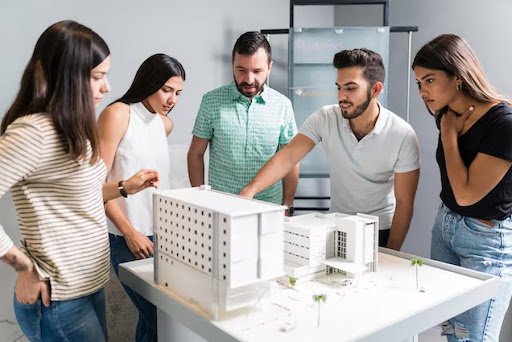
Custom home builders manage the entire project from concept to completion. They coordinate design development, approvals, construction, and quality control. Their experience helps translate ideas into practical and achievable outcomes.
Initial Planning and Vision Development
The first stage of designing a personalized home begins with setting a clear vision. This phase is essential for aligning expectations and creating a roadmap for the project.
Identifying Lifestyle and Space Requirements
Every household has unique needs that influence design decisions.
Family Size and Daily Routines
The number of occupants and their routines affect room count, layout, and shared spaces. Open plan living areas may suit families, while private zones may be important for those working from home.
Future Planning Considerations
A personalized home should support future needs. Flexible rooms, additional storage, and adaptable layouts help ensure the home remains functional over time.
Budget Planning and Financial Awareness
A realistic budget is a foundation of successful custom home design.
Setting Clear Financial Limits
Understanding available finances helps guide decisions on materials, finishes, and overall scale. Clear limits reduce stress and unexpected changes later.
Allowing for Contingencies
Unexpected costs can arise during construction. Planning a contingency budget provides flexibility without compromising quality.
Design Phase and Creative Collaboration
Once the vision and budget are defined, the design phase begins. This is where creativity and practicality come together.
Floor Plan Development and Layout Design
The layout determines how the home functions on a daily basis.
Space Flow and Functionality
Effective layouts ensure smooth movement between rooms and logical placement of living areas. Natural light and ventilation are also considered during this stage.
Personal Touches and Unique Features
Custom designs allow for unique features such as reading nooks, walk in wardrobes, or specialized storage solutions that enhance daily comfort.
Material Selection and Aesthetic Choices
Material selection plays a major role in the look and feel of a personalized home.
Balancing Style and Durability
Choosing materials that are both attractive and long lasting ensures the home remains appealing for years. Builders often guide homeowners toward practical yet stylish options.
Interior Finishes and Textures
Flooring, cabinetry, and surface finishes help define the home’s character. These elements reflect personal taste and contribute to overall comfort.
Approval Processes and Compliance
Before construction begins, designs must meet regulatory requirements.
Navigating Local Building Regulations
Custom home projects must comply with local codes and planning rules. Builders assist with documentation and submissions to ensure smooth approval processes.
Structural and Safety Standards
Compliance ensures the home meets safety and performance standards. This protects both the occupants and the long term value of the property.
Construction Phase and Project Execution
The construction stage is where plans become reality. This phase requires coordination, supervision, and attention to detail.
Site Preparation and Building Progress
Construction begins with site preparation and foundation work.
Managing Timelines and Milestones
Clear timelines help track progress and manage expectations. Regular updates keep homeowners informed throughout the build.
Quality Control and Inspections
Ongoing inspections ensure workmanship meets agreed standards. Issues are addressed promptly to maintain quality.
Customization During Construction
One of the advantages of working with custom builders is the ability to make adjustments during construction when needed.
Design Refinements
Minor refinements can be made to improve functionality or aesthetics. Clear communication ensures changes are managed effectively.
Problem Solving and Flexibility
Construction challenges can arise due to weather or material availability. Experienced builders adapt while keeping the project on track.
Energy Efficiency and Sustainable Design
Modern custom homes often prioritize efficiency and sustainability.
Designing for Energy Performance
Energy efficient homes offer comfort and reduced running costs.
Orientation and Natural Light
Strategic orientation maximizes sunlight and ventilation. This improves indoor comfort and reduces reliance on artificial lighting.
Insulation and Climate Control
High quality insulation and efficient systems help maintain consistent indoor temperatures throughout the year.
Sustainable Materials and Features
Sustainable choices contribute to environmental responsibility.
Water and Energy Saving Solutions
Efficient fixtures and systems support conservation while offering long term savings.
Long Term Environmental Benefits
Sustainable homes reduce environmental impact and promote responsible living.
Interior Spaces Designed for Comfort
Personalized interiors enhance everyday living.
Living Areas and Social Spaces
Living spaces are designed to support relaxation and connection.
Open Plan Versus Zoned Living
Homeowners can choose layouts that suit their lifestyle. Open plans encourage interaction, while zoned areas provide privacy.
Lighting and Ambience
Thoughtful lighting design enhances mood and usability across different times of day.
Private Areas and Storage Solutions
Bedrooms and storage areas are essential for comfort and organization.
Bedroom Layouts and Privacy
Custom layouts allow for quiet, comfortable sleeping spaces that reflect individual preferences.
Smart Storage Design
Integrated storage solutions help maintain a clutter free environment.
Outdoor Spaces and Lifestyle Integration
Outdoor areas extend the living space beyond the home’s interior.
Designing Functional Outdoor Areas
Outdoor spaces can be designed for relaxation and entertainment.
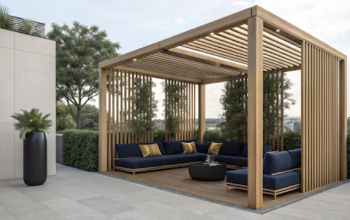
Alfresco Living and Entertaining
Custom designs may include outdoor dining areas that encourage social gatherings and leisure.
Landscaping and Visual Appeal
Landscaping enhances the overall appearance and connection to nature.
Final Stages and Home Handover
As construction nears completion, attention turns to finishing details.
Final Inspections and Adjustments
Before handover, thorough inspections ensure all elements meet expectations.
Addressing Finishing Touches
Any final adjustments are completed to ensure the home is ready for occupancy.
Moving into a Personalized Home
The final step is moving into a home that reflects personal vision and effort.
Conclusion
Designing a personalized home is a rewarding process that allows homeowners to create a space tailored to their lifestyle and future needs. By working with adelaide custom home builders, homeowners can expect guidance, flexibility, and expertise at every stage. From initial planning to final handover, clear communication and thoughtful decision making lead to a home that offers comfort, functionality, and lasting value. A well designed custom home is more than a place to live, it is a reflection of personal identity and long term aspirations.