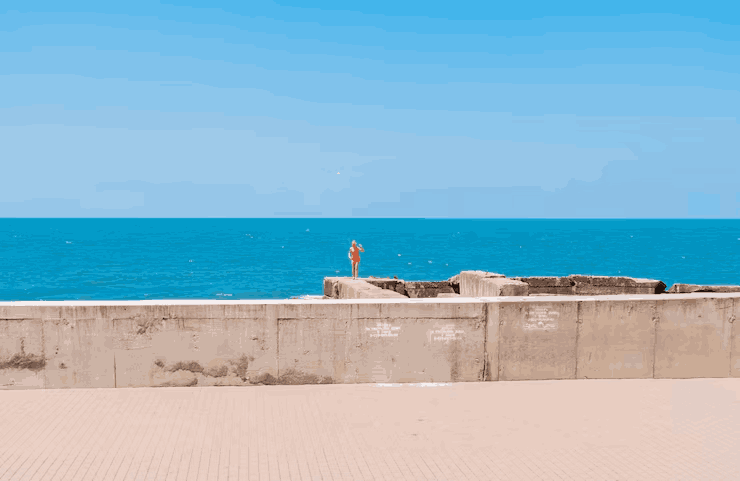
For Florida homeowners with canal-front, Intracoastal, or tidal waterfront properties, the seawall is the single most critical structural element protecting their land and investment from erosion and water intrusion. Understanding what goes into residential seawall construction in Florida — including the variables that drive cost, the material options available, and the permitting process involved — helps homeowners plan effectively and avoid the financial surprises that poorly planned seawall projects frequently produce.
Why Florida Homeowners Need Seawalls
Florida’s geology and climate create persistent erosion pressure on waterfront properties. Tidal fluctuations, boat wake energy, storm surge, and long-term sea level changes all act continuously on unprotected shorelines. Without a properly engineered seawall, soil erosion can progressively undermine landscaping, driveways, structures, and eventually the home’s foundation itself.
For canal-front properties in Broward, Miami-Dade, Palm Beach, and Collier counties, the seawall is also a neighbourhood-wide concern. A failed seawall on one property can accelerate erosion on adjacent lots, creating shared liability concerns and community pressure for prompt remediation.
Residential Seawall Materials in Florida
Vinyl Sheet Pile Seawalls
Vinyl sheet pile systems are the most popular choice for residential seawall construction in Florida. High-density PVC panels are driven into the seabed, interlocked, and anchored with tie-back rod and deadman anchor systems. Vinyl offers complete corrosion resistance, requires minimal long-term maintenance, and is typically the most cost-effective option for residential canal applications.
Concrete Seawalls
Precast concrete panels deliver maximum structural strength and longevity, making them the preferred choice for properties with high tidal exposure, significant wave action, or large vessels moored directly against the seawall. Concrete systems are more expensive to install than vinyl but carry very long service lives when properly maintained.
Aluminium Seawalls
Aluminium seawall systems offer a premium alternative for residential properties where corrosion resistance and low maintenance are priorities. Lighter than concrete and fully corrosion-proof, aluminium is well suited to protected canal environments and properties where equipment access for concrete panel delivery is limited.
What Drives Residential Seawall Construction Costs in Florida?
The cost of residential seawall construction in Florida varies substantially based on several key factors:
- Linear footage of seawall required: Most cost estimates are expressed per linear foot
- Material selection: Vinyl is typically the most affordable, concrete the most expensive
- Water depth and soil conditions: Deeper water and difficult soils increase installation complexity and cost
- Cap beam specification: Standard versus reinforced cap beam affects both cost and longevity
- Permit complexity: Sites in sensitive environmental areas require more extensive permitting review
- Site access: Barge-mounted equipment required for inaccessible sites carries mobilisation costs
As a broad reference, vinyl residential seawalls in Florida typically range from $175 to $350 per linear foot, while concrete seawalls range from $300 to $550 per linear foot. These figures exclude permitting costs and site-specific complications that may arise.
The Florida Residential Seawall Permit Process
Residential seawall construction in Florida requires permits from multiple agencies. The local County Building Department issues the primary building permit. The Florida DEP and Army Corps of Engineers must approve work in waters of the state. For properties in sensitive environmental areas or near seagrass beds, environmental review timelines can extend the permitting process significantly.
Engaging a licensed marine contractor with established relationships across Florida’s regulatory agencies is the most efficient approach. Experienced contractors prepare complete permit applications that minimise review cycles and avoid the common errors that cause delays.
Seawall Replacement vs Repair: Making the Right Decision
Not every damaged seawall requires full replacement. A qualified marine contractor can assess whether targeted repair — crack injection, void filling, tie-back rod replacement, or cap beam restoration — represents a viable, cost-effective alternative to full reconstruction. Repair is typically appropriate for seawalls with isolated damage on a fundamentally sound structure. When structural failure is widespread or the wall is beyond its service life, replacement delivers better long-term value.
Conclusion
Residential seawall construction in Florida is a technically complex and regulatory-intensive undertaking that requires an experienced, licensed marine contractor to execute correctly. By understanding the material options, cost drivers, and permitting requirements involved, Florida homeowners can plan their seawall projects with confidence and make investment decisions that deliver decades of reliable waterfront protection.