Planning wildlife photography trips requires a fundamentally different approach from standard travel planning. The itinerary must align with seasonal wildlife cycles. Accommodation must place you close to your subjects at the critical hours of dawn and dusk. Your gear must be suited to specific environments and species. And your guide must understand both the natural history of your targets and the technical demands of photography.
This article walks through the essential elements of planning a wildlife photography trip that actually delivers the results you are looking for — not just wildlife sightings, but genuinely compelling images.
Choose a Destination Based on Your Photographic Goals
The first and most important decision is destination selection. Different ecosystems offer vastly different photographic opportunities. African savannas are unmatched for large mammal behavioral photography. Tropical cloud forests deliver extraordinary bird diversity in challenging but photogenic light. Arctic and sub-arctic environments offer dramatic landscapes and megafauna like polar bears, arctic foxes, and great grey owls.
Photography trips should be chosen with a specific subject category in mind rather than a general desire for ‘wildlife.’ This focus allows you to select the destination, timing, and equipment configuration that maximizes your chance of achieving the images you want.
Timing: The Single Most Important Variable
Wildlife photography trips live or die on timing. Arriving at a destination two weeks too early or too late relative to a migration, breeding season, or flowering event can mean the difference between extraordinary images and a portfolio of empty landscapes. Research the precise seasonal windows when your target species are most active, most accessible, and displaying the most photogenic behaviors.
Specialist photo tour operators maintain multi-year records of species activity patterns and can advise on optimal dates with far greater precision than any published wildlife guide. This insider knowledge is one of the most valuable things a quality tour operator brings to the planning process.
How to Find the Right Photo Tour Operator
The quality of your guide determines the quality of your experience on any wildlife photography trip. Look for operators whose guides hold verifiable naturalist credentials, have published natural history photography work, and can demonstrate deep familiarity with your target destination. Group size should be a maximum of six to eight participants — larger groups compromise access, disturb wildlife, and reduce individual coaching time.
Check whether the operator’s itinerary is genuinely structured around photography — specifically around golden hour shooting time — rather than around general wildlife viewing. A strong photo tours program will schedule the bulk of field time in the ninety-minute windows after sunrise and before sunset, when light is softest and most directional.
Essential Gear for Wildlife Photography in the Field
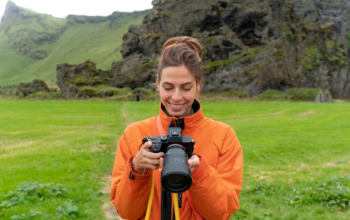
Telephoto reach is essential for most wildlife photography subjects. A 500mm or 600mm prime lens, or a 100–500mm zoom, will cover the majority of scenarios for birds and mammals at moderate distances. A high-speed camera body with strong autofocus tracking capability is equally important — wildlife moves fast, and missed focus is the most common failure mode in the field.
Carry a sturdy tripod or gimbal head for long lens support during stationary shooting, and a monopod for flexibility when moving through varied terrain. Weatherproof your gear — rain, dust, and humidity are realities in most productive wildlife environments.
Ethical Wildlife Photography
Responsible wildlife photography trips adhere strictly to ethical guidelines: maintaining respectful distances from subjects, never using playback calls during breeding season, not disrupting natural behaviors for compositional advantage, and following all local regulations regarding access to protected areas. Quality tour operators enforce these standards as a fundamental part of their practice, and photographers should expect and support this approach.
Conclusion
A well-planned wildlife photography trip — timed correctly, guided by genuine experts, and approached with appropriate gear and ethical awareness — is one of the most creatively and personally rewarding experiences available to a nature photographer. Whether you join a structured photo tours program or build your own itinerary, investing in the planning process is the surest path to bringing home images that genuinely reflect the wild world you went to photograph.