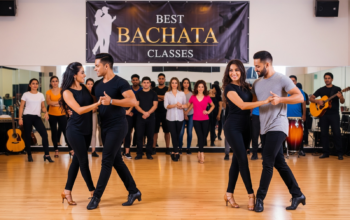
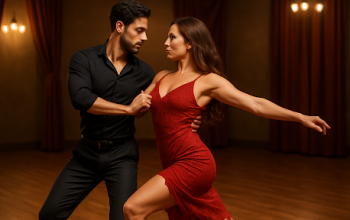
Enrolling in Cumbia Dance Classes is a great way to explore one of Latin America’s most vibrant and culturally rich dance traditions. Known for its rhythmic footwork, flowing hip movements, and festive atmosphere, cumbia has become a favorite dance style for people who want to experience Latin culture through music and movement.
Cumbia offers a unique combination of history, creativity, and social connection. Whether you are completely new to dance or already familiar with Latin styles like salsa or bachata, learning cumbia introduces you to a different rhythm and movement style that is both enjoyable and expressive.
The Cultural Roots of Cumbia
To fully appreciate Cumbia Dance Classes, it helps to understand the dance’s historical background. Cumbia originated along the Caribbean coast of Colombia during the colonial period. The dance developed as a blend of African, Indigenous, and Spanish cultural influences.
African rhythms and drum patterns provided the musical foundation, while Indigenous communities contributed traditional instruments and ceremonial dance elements. Spanish cultural influence later shaped the structure of the dance and its storytelling elements.
Historically, cumbia often represented courtship. Dancers moved in circular patterns that symbolized community gatherings, and women traditionally carried candles during nighttime celebrations. These movements became iconic elements of the dance and continue to inspire modern cumbia styles.
As the dance spread throughout Latin America, each region adapted it to local musical tastes and cultural traditions. Today, cumbia remains a living cultural expression that connects modern dancers with centuries of heritage.
Different Regional Styles of Cumbia
One of the most interesting aspects of Cumbia Dance Classes is the opportunity to explore different regional variations of the dance. While the core rhythm remains consistent, each region brings its own style and energy.
Colombian Cumbia
Colombian cumbia stays closest to the original form of the dance. Movements are smooth and controlled, with an emphasis on elegant footwork and graceful partner interaction.
The traditional style focuses on circular patterns and subtle hip movements, reflecting the dance’s cultural roots and ceremonial influences.
Mexican Cumbia
Mexican cumbia developed its own distinctive identity, often featuring faster tempos and more energetic movements. Dancers typically incorporate larger steps and expressive styling.
This variation is widely popular at social gatherings and dance events because of its lively energy and accessible movements.
Argentine Cumbia
Argentine cumbia is known for its strong accordion melodies and relaxed social dance style. Movements tend to be casual and expressive, making it approachable for beginners who want to enjoy the music without focusing heavily on strict technique.
Many modern Cumbia Dance Classes introduce students to multiple regional styles, allowing them to experience the diversity of this dance tradition.
Understanding Cumbia’s Unique Movement Style
Cumbia has a distinctive movement vocabulary that separates it from other Latin dance forms.
Unlike salsa, which often uses linear patterns moving forward and backward, cumbia focuses on circular pathways. Leaders guide followers through smooth arcs and side-to-side patterns that create elegant shapes on the dance floor.
Another defining feature is the hip movement. Instead of sharp or isolated motions, cumbia uses a continuous swaying action that flows naturally from the dancer’s footwork. Achieving this relaxed flow takes practice but gives the dance its recognizable style.
The overall feeling of cumbia is grounded and rhythmic. Dancers stay connected to the floor while allowing their upper bodies to move freely and naturally with the music.
What to Expect in Cumbia Dance Classes
Beginner Cumbia Dance Classes typically start with the fundamentals. Instructors focus on helping students understand the rhythm, posture, and basic steps before moving into partner work.
Early lessons often include:
- Basic footwork patterns
- Proper posture and balance
- Rhythm and timing exercises
- Introductory partner connection techniques
Once students become comfortable with the basics, instructors introduce simple turns and directional changes. These patterns help dancers begin to develop coordination with a partner while maintaining rhythm and flow.
As classes progress, students learn additional combinations and styling elements that add personality and creativity to their dancing.
Developing Skills at the Intermediate Level
After mastering the fundamentals, dancers in Cumbia Dance Classes begin exploring more advanced techniques.
Intermediate lessons may include:
- Turn combinations and variations
- Arm styling and body movement
- Musical interpretation techniques
- Improvisation and creative expression
Cumbia music often includes rhythmic accents and instrumental breaks. Learning to respond to these musical moments helps dancers develop musicality and make their dancing more expressive.
Improvisation is also an important part of the learning process. Rather than memorizing fixed choreography, many dancers learn how to adapt their movements to different songs and rhythms.
The Social and Cultural Experience
One of the biggest benefits of taking Cumbia Dance Classes is the sense of community they create. Cumbia has always been a social dance, traditionally performed during festivals, celebrations, and family gatherings.
Dance classes often recreate this atmosphere by encouraging students to interact, practice with different partners, and participate in social dance events.
These social opportunities allow dancers to:
- Practice their skills in real dance settings
- Build friendships within the dance community
- Gain confidence performing with different partners
- Experience the joyful spirit that defines cumbia culture
For many students, the friendships and connections formed in dance classes become just as valuable as the dance skills themselves.
Why Cumbia Is a Great Dance to Learn
Cumbia offers a balance of cultural tradition and creative freedom. The dance is relatively easy to start learning, yet it provides enough depth and variation to keep dancers engaged over time.
Regular practice can also improve coordination, rhythm, balance, and physical fitness. At the same time, dancing provides a fun way to relieve stress and stay active.
Because cumbia emphasizes expression and enjoyment rather than strict perfection, it creates an encouraging environment for dancers of all experience levels.
Conclusion
Taking Cumbia Dance Classes provides much more than dance instruction—it offers a gateway into Latin American culture, music, and community. With its circular movements, rhythmic sway, and festive spirit, cumbia delivers a joyful and engaging dance experience.
Whether you are interested in learning about cultural traditions, exploring a new creative outlet, or simply enjoying social dancing, cumbia offers a rewarding and memorable journey on the dance floor.