The healthcare and medical education landscape is constantly evolving. From advancements in technology to shifting patient expectations and new accreditation standards, medical schools are under continuous pressure to adapt. At the same time, healthcare providers must stay aligned with these changes to ensure they are training, hiring, and operating in ways that meet modern demands. This is where medical school consulting services play a critical role bridging the gap between education trends and real-world medical practice.
The Rapid Evolution of Medical Education
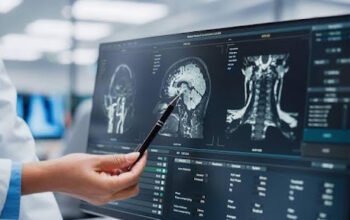
Medical education today looks very different from what it did a decade ago. Traditional lecture-based learning is being replaced with more interactive, technology-driven approaches. Simulation labs, virtual reality training, and AI-assisted diagnostics are now becoming standard components of medical training.
Medical schools are also placing greater emphasis on:
- Patient-centered care
- Interdisciplinary collaboration
- Cultural competence
- Digital health technologies
These trends are not just academic—they directly influence how healthcare services are delivered. Medical institutions must evolve alongside these changes or risk becoming outdated.
The Challenge for Medical Services
Healthcare providers and organizations often struggle to keep up with these evolving standards. While medical schools update their curricula regularly, hospitals and clinics may lag behind due to operational constraints, budget limitations, or lack of awareness.
Some common challenges include:
- Integrating new technologies into existing systems
- Training staff on updated clinical practices
- Aligning with new regulatory and accreditation requirements
- Adapting to changing patient expectations
Without proper guidance, these gaps can lead to inefficiencies, reduced quality of care, and difficulty in recruiting newly trained medical professionals.
The Role of Medical School Consulting Services
Medical School Consulting Services help institutions stay aligned with current educational and clinical trends. These services are designed to provide expert guidance, strategic planning, and implementation support to both academic and healthcare organizations.
They typically assist with:
- Curriculum development and updates
- Accreditation compliance
- Technology integration
- Faculty and staff training
- Strategic partnerships between schools and healthcare providers
By leveraging industry expertise, consulting services ensure that both educational institutions and medical service providers remain competitive and future-ready.
Bridging the Gap Between Education and Practice
One of the biggest advantages of consulting services is their ability to connect academic knowledge with practical application. Medical students are now trained using cutting-edge tools and modern methodologies. However, if healthcare facilities do not reflect these advancements, new graduates may face a disconnect when entering the workforce.
Consultants help bridge this gap by:
- Aligning hospital practices with current medical training
- Introducing modern diagnostic and treatment technologies
- Standardizing procedures based on latest guidelines
- Encouraging continuous professional development
This alignment not only improves patient care but also enhances workforce readiness.
Embracing Technology and Innovation
Technology is at the heart of modern medical education and healthcare delivery. From electronic health records (EHRs) to telemedicine and AI diagnostics, innovation is reshaping the industry.
Medical School Consulting Services assist organizations in:
- Selecting and implementing the right technologies
- Training staff to use digital tools effectively
- Ensuring compliance with data security and privacy laws
- Evaluating the impact of technology on patient outcomes
By doing so, they help medical services stay competitive in a rapidly digitizing world.
Supporting Accreditation and Compliance
Medical schools and healthcare institutions must adhere to strict accreditation standards. These standards are frequently updated to reflect new research, ethical considerations, and healthcare needs.
Consulting services provide:
- Guidance on accreditation requirements
- Audit preparation and compliance checks
- Documentation and reporting support
- Continuous monitoring of regulatory changes
This ensures that institutions not only meet current standards but are also prepared for future updates.
Enhancing Patient-Centered Care
Modern medical education emphasizes patient-centered care—an approach that focuses on individual patient needs, preferences, and values. Healthcare providers must adopt this approach to remain relevant.
Consultants help implement:
- Improved patient communication strategies
- Personalized treatment plans
- Cultural sensitivity training
- Feedback and quality improvement systems
These changes lead to better patient satisfaction and improved health outcomes.
Workforce Development and Training
As medical education evolves, so do the expectations from healthcare professionals. Continuous learning is no longer optional—it is essential.
Medical School Consulting Services support workforce development by:
- Designing training programs for medical staff
- Introducing new clinical protocols
- Encouraging leadership development
- Promoting lifelong learning initiatives
This ensures that healthcare professionals remain skilled, knowledgeable, and adaptable.
Building Strategic Partnerships
Collaboration between medical schools and healthcare providers is more important than ever. Strong partnerships enable better training opportunities, research advancements, and improved patient care.
Consultants facilitate:
- Academic-clinical partnerships
- Internship and residency program development
- Research collaborations
- Knowledge-sharing platforms
These partnerships create a more integrated and efficient healthcare ecosystem.
Future Trends in Medical Services
Looking ahead, several trends will continue to shape both medical education and healthcare services:
- Increased use of artificial intelligence
- Expansion of telehealth services
- Greater focus on preventive care
- Personalized medicine based on genetic data
- Global collaboration in medical research
Medical School Consulting Services will remain essential in helping institutions navigate these changes and stay ahead of the curve.
Conclusion
The healthcare industry cannot afford to stand still while medical education continues to evolve. Staying aligned with the latest trends is crucial for delivering high-quality care, attracting top talent, and maintaining operational efficiency.
Medical School Consulting Services provide the expertise and strategic direction needed to bridge the gap between education and practice. By embracing innovation, ensuring compliance, and fostering collaboration, these services help medical institutions thrive in an ever-changing landscape.
In a world where change is constant, adaptability is the key to success—and with the right guidance, medical services can not only keep up but lead the way forward.