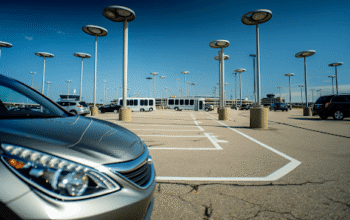
Airport parking has a reputation for being expensive — and honestly, it can be, if you don’t know where to look or when to act. But travelers who fly regularly tend to crack the code fairly quickly. They know that the difference between paying full price and paying significantly less often comes down to timing, awareness, and a few simple habits.
Whether you’re flying out of a regional airport or a major hub, these approaches work across the board — and none of them require a lot of effort.
1. Book Further Out Than You Think You Need To
Parking rates at private off-airport facilities often follow demand-based pricing. A spot reserved three weeks before departure can cost meaningfully less than the same spot booked 48 hours out. This is especially true during holiday travel windows.
If you know your travel dates, locking in parking at the same time you book your flight is a smart habit to build.
2. Check the Facility’s Website Directly Before Booking
Third-party travel sites aggregate parking options, but they don’t always reflect the best available rate. Many facilities run promotions directly on their own websites — seasonal discounts, first-time booking offers, or limited-time rates that don’t appear anywhere else.
Spending 60 seconds on the facility’s site before finalizing a reservation through an aggregator can occasionally save a surprising amount.
3. Look for Promo Codes — They’re More Common Than You’d Expect
A quick search for discount codes before checking out is worth making a habit. Parking facilities partner with travel blogs, loyalty programs, and deal aggregators to distribute promo codes regularly. Some are time-limited; others are evergreen.
Spending 60 seconds searching before confirming a reservation through an aggregator can occasionally save a surprising amount.
4. Ask About Weekly Flat Rates
Per-day pricing structures aren’t always the most economical option for longer trips. Many facilities offer flat weekly rates that undercut what you’d pay if you simply multiplied the daily cost by seven.
Sites that consolidate current promotions — like this page covering deals for airport parking — make it easy to spot weekly offers and seasonal discounts in one place before booking.
5. Time Your Arrival and Pickup Precisely
Parking charges typically clock from the moment you pull in — not from when your flight takes off. If you arrive at a lot at 6 p.m. and your flight doesn’t leave until 8 a.m. the next morning, you’ve started a billable day before your travel has really begun.
Where possible, arrive at the lot as close to your actual departure window as your schedule allows. On the return side, heading straight from the terminal to your vehicle rather than waiting around can prevent an extra partial-day charge from accumulating.
6. Sign Up for Email Alerts and Loyalty Programs
Facilities that handle high parking volume often run loyalty or rewards programs — either their own or through partner platforms. Signing up for email notifications is the lowest-effort way to hear about flash sales or promotional windows as they happen.
According to the American Automobile Association (AAA), travelers who plan ground transportation in advance — including parking — spend an average of 15–20% less than those who arrange it day-of. Staying in the loop through alerts is one way to act on that advantage.
7. Compare On-Site and Off-Site Before Assuming One Is Cheaper
The instinct to use airport-operated lots isn’t wrong, but it isn’t always the most cost-effective choice either. Off-airport private facilities often offer lower daily rates, included shuttle service, and comparable — sometimes better — security infrastructure.
Running a quick comparison of both options before any trip takes less than five minutes and can produce real savings, especially on trips longer than a few days.
A Small Habit That Compounds Over Time
Individually, each of these approaches saves a modest amount. But for anyone who travels more than a few times a year, applying them consistently builds into real money over time.
The cost of airport parking is one of the few travel expenses that rewards a small amount of advance planning almost every time — and the effort involved is genuinely minimal once it becomes routine.