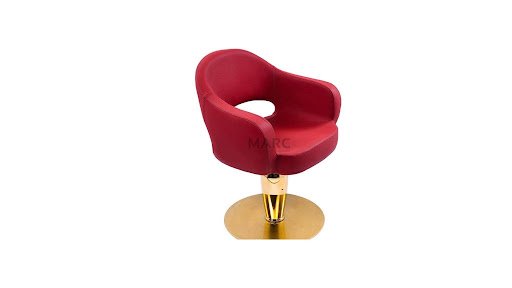
A salon interior is more than a visual setting; it is an operational environment where furniture influences comfort, workflow, brand presentation, and customer perception. A modern salon chair can become a central design element when its proportions, finish, comfort, and functionality work in harmony with the surrounding space. For salon owners, selecting seating therefore requires consideration of both design consistency and daily business requirements. The right chair can help create a cohesive professional environment while supporting stylists during routine services.
Creating Visual Consistency
Professional salon interiors depend on coordination between individual furniture pieces. Chairs should complement mirrors, styling areas, flooring, lighting, and other functional zones rather than appearing as isolated additions. A coordinated selection creates visual continuity and helps the salon maintain a clear design identity.
Colour and finish are particularly important. A suitable upholstery shade can complement the surrounding palette, while appropriate textures can contribute to the intended atmosphere.
Supporting Client Comfort
Comfort is a practical business consideration, particularly when customers spend extended periods receiving services. Seating should provide appropriate support and remain comfortable against the body. A well-designed chair can contribute to a more pleasant service environment while helping maintain the professional standard expected in a salon.
Comfort should also be considered alongside proportions and placement. Sufficient clearance around each workstation allows staff to move efficiently and gives clients an uncluttered experience. Choosing furniture according to available space can prevent overcrowding.
Improving Salon Workflow
Interior design should support business operations rather than simply create an attractive appearance. Salon chairs form part of the working area used by professionals daily, so their placement should allow convenient movement and access to the required equipment.
A well-planned styling zone can make routine tasks more orderly. Chairs positioned appropriately in relation to mirrors and other furniture can support smoother service delivery. The furniture layout should also account for electrical and plumbing requirements wherever equipment needs those connections. This planning approach helps combine aesthetics with operational efficiency.
Matching Chairs With Different Design Concepts
Modern salon interiors can follow many visual directions, from understated professional spaces to luxurious environments. Chair selection should reflect the overall concept rather than follow a trend without considering the rest of the room.
For a refined interior, clean shapes and coordinated finishes can support sophistication. Distinctive chair designs can become focal points while remaining consistent with surrounding furniture. The key is balance, so statement furniture does not make the space feel fragmented.
Coordinating With Functional Furniture
Salon chairs rarely work alone. Professional spaces may also require barber chairs, multipurpose chairs, styling chairs, salon beds, shampoo stations, pedicure and manicure stations, nail tables, mirrors, spa furniture, and salon accessories. Each serves a different purpose, but the overall selection should feel coordinated.
When furniture shares complementary forms, finishes, and proportions, the interior can appear more intentional. This is especially valuable for businesses planning multiple service areas. A consistent furniture language can help separate functions while maintaining a unified professional environment.
Considering Space and Layout
Available floor space should influence every furniture decision. A chair that looks suitable individually may not work effectively if it restricts circulation or creates congestion around workstations. Salon owners should consider measurements, spacing, access, and the relationship between seating and service areas before finalising a purchase.
Efficient planning also helps businesses use their investment effectively. Owners can prioritise products that support the services they provide.
Balancing Durability and Design
Commercial furniture must perform consistently in a demanding business environment. Frequent daily use makes quality an important consideration alongside appearance. A professionally designed chair should contribute to the salon’s presentation while being suitable for regular service conditions.
Durability can influence long-term value. Furniture that maintains its appearance and functionality can support a consistent customer-facing environment. Businesses should assess construction quality, materials, comfort, functionality, and maintenance requirements rather than appearance alone.
Working With Professional Suppliers
Selecting reliable salon chairs suppliers can simplify the process of evaluating designs, product categories, quality, and business requirements. A professional supplier can provide access to different chair styles and related furniture, helping salon owners coordinate products across their interior.
Businesses searching for salon furniture may also compare suppliers to assess options, while a professional supplier can provide access to different chair styles and related furniture. For businesses developing complete interiors, supplier support can make procurement more organised. Owners can consider the salon as one integrated commercial space, supporting consistency across styling, service, and customer areas.
Building a Cohesive Professional Environment
Interior design ultimately needs to serve both customer experience and business operations. Chairs influence the visual rhythm of a salon, define individual workstations, and contribute to the comfort of people using the space. When selected thoughtfully, they can strengthen the connection between practical requirements and the intended design direction.
Businesses planning a complete setup should also consider complementary furniture, service requirements, available space, and future operational needs. A coordinated approach reduces visual inconsistency and helps create an environment that feels deliberate, professional, and suitable for long-term business use.
Choosing Furniture for Business Growth
Furniture decisions can influence how efficiently a salon uses its space as services develop. Owners may need flexible layouts for changing customer demand, additional workstations, or new services. Selecting compatible furniture from the beginning can make future adjustments easier.
When refurbishing an existing salon, businesses can evaluate how new chairs interact with furniture, colours, lighting, and floor planning. This can refresh the environment while preserving a consistent professional identity.
Conclusion
A modern salon chair can contribute far more than seating within a professional interior. Its design, comfort, proportions, finish, placement, and relationship with surrounding furniture can influence both visual cohesion and daily workflow. For businesses, the objective is to select furniture that supports customer comfort, professional presentation, efficient operations, and long-term usability. A considered approach to salon furniture can help create polished service environments that reflect the standards of modern beauty businesses.
For businesses seeking reliable solutions, quality salon furniture in Gurgaon, and professional support, MARC Salon Furniture supports salon businesses with professionally designed furniture and equipment for functional, polished interiors. Their range includes styling chairs, barber chairs, shampoo stations, pedicure and manicure furniture, salon beds, spa furniture, nail tables, beauty machines, slimming machines, mirrors, and accessories. They also provide tailored support and selected customisation options to help create cohesive commercial salon spaces reliably.