Ask ten first time sellers what barcode their product needs, and you’ll probably get ten different guesses. The phrases UPC, EAN, and GTIN are used interchangeably in seller forums, but half the confusion stems from a system that is confusing to begin with. This is the version without extra fluff.
The Two Formats Everyone Actually Confuses
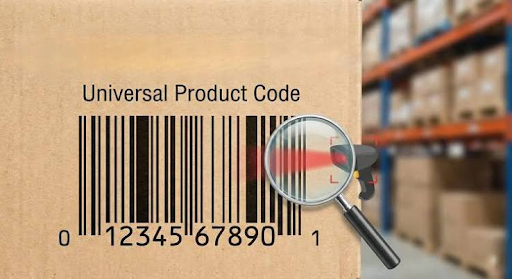
Most retail barcodes fall into one of two camps. A twelve digit format, commonly called a Universal Product Barcode, is what dominates North American retail shelves. The majority of the rest of the world, including India’s own retail environment, utilizes a thirteen-digit variant known as EAN-13. They both aim to achieve the same goal: provide a unique identifier so that an item may be properly scanned at a Point of Sale and tracked in inventory. The difference is really just which markets expect which format.
So Which One Do You Actually Need
Here’s the honest answer, and it’s not the satisfying one people want. It depends entirely on where you’re selling. The twelve-digit format is required if you plan on selling your goods in marketplaces or shops in North America. The thirteen-digit EAN format is likely to have better results if you intend to export to regions that employ international standards or only sell within India. Before making any final judgments, it’s a good idea to check with any given marketplace, retailer, or distributor what they need, since presumptions made on this front have sometimes resulted in rejections later on.
Common Confusions Worth Clearing Up
Let’s answer a few commonly asked questions.
Does the price or expiration date of your goods show up on a barcode? Unfortunately not. All it does is act as a pointer to where the retailer has the necessary information stored. There should not be any pricing or expiry details on the barcode itself.
Can two different products share one barcode? No, and this trips up more sellers than expected. Different pack sizes, flavors, or variants of the same product generally each need their own separate identifier, even if the base product looks nearly identical on the shelf.
Can you change your MRP without changing the barcode? There’s no blanket answer here, it genuinely depends on how your pricing is represented and what rules apply to your specific product category. When packaging changes, it’s worth checking applicable requirements before printing a fresh batch.
Why Getting This Right the First Time Matters
When a listing gets rejected or there is a shipment detected at some point in the supply chain, sellers who got their information wrong or reused a code without registering will often learn of the issue. Not ideal, but totally avoidable. Working with a genuine Barcode Provider India sellers already trust removes this guesswork, ensuring the code you’re printing actually matches what your specific sales channel expects, formatted correctly from the start rather than fixed after something’s already gone wrong.
Where to Actually Start
Asking the specific marketplace or group of merchants you are targeting to check whether you are moving in the proper path is the best line of action if you are still uncertain about what to do. Obtaining the necessary instructions and codes in advance involves significantly less labor than reading a rejection form weeks later.