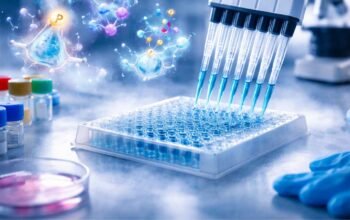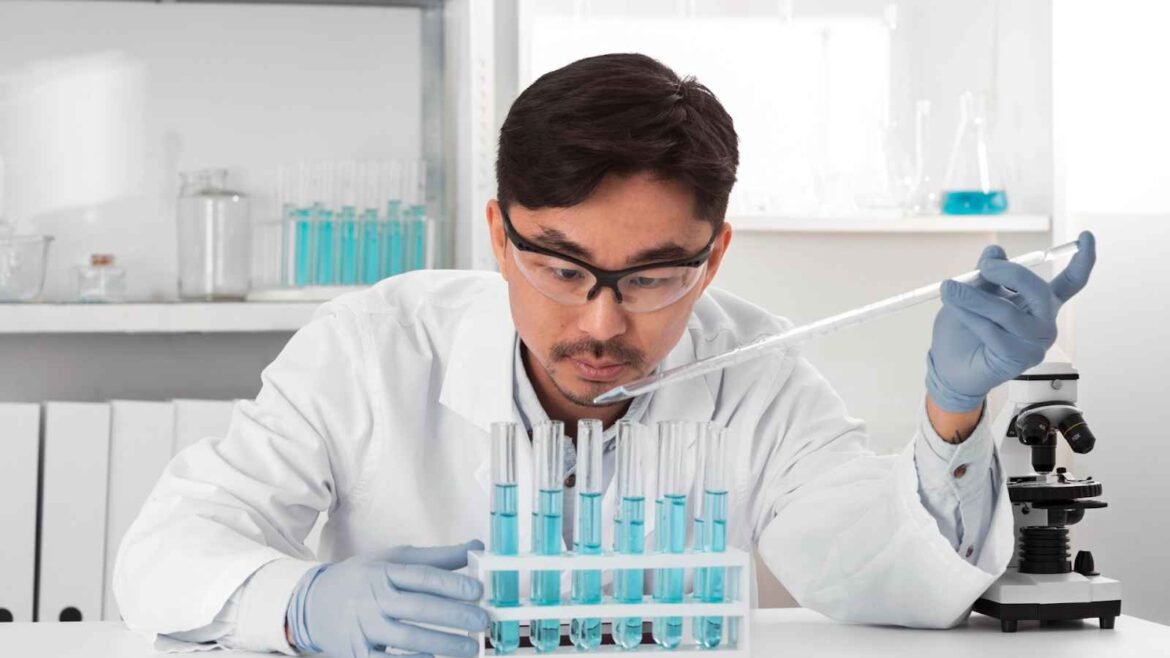
Polymerase Chain Reaction (PCR) technology has revolutionized molecular biology by enabling the rapid amplification of specific DNA and RNA sequences. Since its introduction, PCR has become an essential tool in both clinical diagnostics and research laboratories. PCR kits simplify this complex technique by providing standardized reagents and protocols, ensuring accuracy, reproducibility, and efficiency.
Today, PCR kits are indispensable across a wide range of applications, from disease diagnosis to advanced genetic research.
Role of PCR Kits in Infectious Disease Diagnosis
One of the most critical clinical applications of PCR kits is the detection of infectious diseases. PCR allows for the direct identification of pathogen-specific genetic material, making it highly sensitive and specific. Viral, bacterial, and parasitic infections such as HIV, hepatitis, tuberculosis, influenza, and COVID-19 are routinely diagnosed using PCR-based assays.
A Polymerase Chain Reaction Kit enables early detection of infections, often before symptoms appear or antibodies are produced. This is particularly valuable for diseases requiring rapid intervention or isolation measures. PCR-based diagnostics also support public health surveillance by facilitating large-scale screening during outbreaks and pandemics.
Genetic Disease Testing and Inherited Disorders
PCR kits play a crucial role in identifying genetic mutations associated with inherited disorders. Conditions such as cystic fibrosis, sickle cell anemia, thalassemia, and Duchenne muscular dystrophy can be diagnosed through targeted amplification of specific gene regions.
In prenatal and neonatal screening, PCR-based tests help detect genetic abnormalities at an early stage, allowing for informed clinical decision-making and early treatment planning. The precision and reliability of PCR make it a preferred method for confirming genetic diagnoses in clinical genetics laboratories.
Oncology and Cancer Research Applications
In oncology, PCR kits are widely used to detect genetic alterations associated with cancer development and progression. These include point mutations, gene amplifications, translocations, and epigenetic changes. PCR-based assays help identify oncogenes, tumor suppressor gene mutations, and minimal residual disease following treatment.
Clinically, PCR supports personalized medicine by guiding targeted therapies based on a patient’s genetic profile. In research settings, PCR enables the study of cancer biology, gene expression patterns, and tumor heterogeneity, contributing to the development of novel diagnostic and therapeutic strategies.
Applications in Virology and Viral Load Monitoring
Beyond initial diagnosis, PCR kits are essential for monitoring viral load in patients with chronic infections such as HIV and hepatitis B or C. Quantitative PCR (qPCR) provides precise measurements of viral nucleic acid levels, helping clinicians assess disease progression and treatment effectiveness.
A Polymerase Chain Reaction Kit designed for viral load testing ensures consistent and accurate quantification, which is critical for adjusting antiviral therapies and predicting clinical outcomes. This application underscores PCR’s importance in long-term disease management.
Research Applications in Gene Expression and Functional Studies
In research laboratories, PCR kits are fundamental tools for studying gene expression and gene function. Reverse transcription PCR (RT-PCR) allows researchers to convert RNA into complementary DNA (cDNA) and analyze gene expression patterns across different tissues, conditions, or time points.
PCR also supports functional studies such as gene cloning, mutagenesis, and validation of gene editing experiments. Researchers rely on PCR to confirm successful gene insertions, deletions, or modifications, making it a cornerstone technique in molecular biology research.
Forensic Science and Identity Testing
PCR kits have transformed forensic science by enabling DNA analysis from minimal or degraded samples. Short tandem repeat (STR) analysis, a PCR-based technique, is commonly used for human identification in criminal investigations, paternity testing, and disaster victim identification.
The high sensitivity of PCR allows forensic laboratories to generate DNA profiles from trace biological evidence such as blood stains, hair follicles, or saliva. This application highlights the robustness and reliability of PCR technology beyond traditional clinical and research environments.
Agricultural, Environmental, and Microbial Research
PCR kits are also widely used in agricultural and environmental research. They assist in detecting genetically modified organisms (GMOs), identifying plant and animal pathogens, and studying microbial diversity in soil, water, and air samples.
Environmental monitoring relies on PCR to track antibiotic resistance genes, emerging pathogens, and biodiversity indicators. In microbiology research, PCR enables rapid identification and characterization of microbial species, supporting studies in ecology, evolution, and biotechnology.
Conclusion
PCR kits have become indispensable tools across clinical diagnostics and scientific research. From infectious disease detection and genetic testing to cancer research, forensic analysis, and environmental studies, PCR technology supports a wide spectrum of applications. Its precision, versatility, and reliability ensure that PCR will remain a foundational technique in advancing healthcare and biological sciences for years to come.