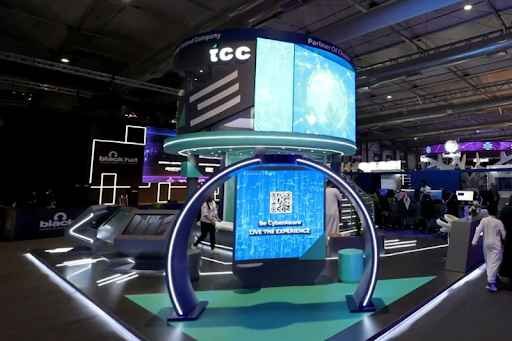
Exhibition spaces can influence how visitors notice, understand, and remember a brand during busy events. Layout, visuals, lighting, materials, messaging, and visitor movement all contribute to creating an engaging and professional environment. A thoughtfully designed space can help businesses present products, services, and brand messages more clearly while encouraging meaningful visitor interaction.
For businesses working with exhibition stand builders, careful planning can align creative concepts with practical requirements, including available space, display needs, visitor flow, and event objectives. A well-organized stand can strengthen brand visibility, support effective product presentation, and create opportunities for smoother conversations. Considering functionality alongside visual appeal can help businesses develop exhibition spaces that remain memorable, accessible, and aligned with their overall marketing goals.
Creative Planning With Exhibition Stand Builders Matters
Strong exhibition planning connects brand identity, visitor needs, available space, and practical requirements to create an environment that supports clear communication and engagement.
-
Creating a Clear Brand-Focused Concept
A successful exhibition stand begins with a concept that reflects the company’s identity and objectives. Colors, graphics, structures, and display areas should work together rather than compete for attention. Businesses can consider the products or services they want visitors to notice first. A clear concept also helps guide later decisions about materials, lighting, furniture, and technology. Careful planning can create a more consistent environment and make the stand easier for visitors to understand.
-
Planning Layouts Around Visitor Movement
Visitor movement should be considered when arranging displays, meeting areas, demonstrations, and entry points. Open pathways can make the stand feel more accessible, while clearly organized zones can help visitors navigate different activities. The placement of important products or messages may influence what visitors notice first. A practical layout should also support staff movement and everyday exhibition activities. Planning circulation in advance can help ensure the space remains functional as visitor traffic increases during busy periods.
-
Using Lighting to Strengthen Visual Attention
Lighting can influence the atmosphere and visibility of an exhibition space. General lighting may support overall visibility, while focused illumination can highlight products, graphics, or important display features. Different lighting choices can also affect how colors and materials appear within the stand. Businesses should consider the wider exhibition environment when planning illumination. A balanced approach can help important elements stand out without creating excessive glare or distracting visitors from the main brand message.
Visitor Engagement With Exhibition Stand Builders
Design decisions can support meaningful visitor interaction when exhibition spaces combine clear communication, accessible layouts, practical features, and visually organized presentation areas.
The role of exhibition stand builders can extend beyond constructing a physical structure. Design and planning may involve understanding the available floor area, exhibition requirements, intended visitor experience, and brand objectives. Interactive displays, product demonstrations, meeting spaces, and visual communication can be arranged according to the event’s purpose. Materials and structural elements should also support practical requirements, including installation and use during the exhibition. When these details are considered together, the final space can create a more organized setting for conversations, demonstrations, networking, and brand engagement.
Visual Details Bring Greater Impact to Exhibition Spaces
Thoughtful combinations of graphics, materials, colors, and display features can create a stronger visual identity and help visitors recognize key products and messages.
-
Selecting Graphics That Communicate Clearly
Graphics should communicate relevant information without overwhelming the available space. Large visual elements can attract attention, while concise messages may be easier for visitors to understand quickly. Brand colors and typography can also support consistency across different display areas. Businesses should consider viewing distances when preparing graphics, as visitors may first see the stand from across the exhibition hall. Clear visual communication can help connect the physical environment with the wider brand identity and campaign objectives.
-
Balancing Product Displays and Open Space
Product displays need sufficient visibility, but filling every area can make a stand appear crowded. Open space can provide visual relief and improve visitor movement. Businesses can identify priority products and arrange them according to their importance within the exhibition. Demonstration areas may require additional room for staff and visitors. A balanced approach helps individual features remain noticeable while maintaining a practical environment. The aim is to support engagement without allowing unnecessary elements to distract from the overall presentation.
-
Choosing Materials for Practical Event Requirements
Materials can influence the appearance, durability, weight, and installation requirements of an exhibition stand. The selected approach should suit the intended design and the practical conditions of the event. Reusable components may also be considered for businesses participating in multiple exhibitions. Surface finishes, structural elements, and display materials should work together visually while meeting relevant requirements. Reviewing material choices during planning can help align the creative concept with practical construction and installation considerations.
Strategic Spaces Support Stronger Event Experiences
Effective exhibition environments bring together planning, visual identity, functionality, and visitor engagement to support business objectives throughout the event.
A high-performing stand does not depend on decoration alone. Businesses can consider the event audience, available space, product priorities, staff activities, and the type of interactions they want to encourage. Clear planning can help connect these requirements with practical design decisions before construction begins. Reviewing layouts and display arrangements in advance may also reduce the need for unnecessary changes later. When creative and operational requirements remain connected, exhibition spaces can better support presentations, conversations, demonstrations, and other activities throughout the event.
Conclusion
Successful exhibition spaces require a careful balance of creativity, functionality, brand visibility, and practical planning. Visitor movement, lighting, graphics, displays, materials, and space utilization can all influence the overall experience. Thoughtful planning helps businesses create an organized environment that communicates their message clearly while supporting meaningful visitor engagement.
For businesses seeking exhibition stand builders in Dubai, Markable International provides exhibition stand design and related solutions for companies planning event and exhibition spaces. They tailor their services to individual display requirements, brand objectives, available space, and event needs. Considering these elements together helps businesses develop exhibition environments aligned with their specific goals, promotional requirements, and overall event presentation.