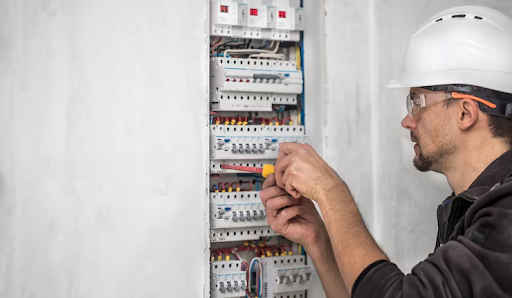
The electrical panel is the operational heart of a home’s power distribution system, and electrical panel replacement Orange County homeowners invest in is one of the most consequential electrical upgrades available — improving safety, expanding capacity, and ensuring code compliance for decades of reliable service. Whether you are dealing with an aging Federal Pacific or Zinsco panel, a 100-amp service that no longer meets modern demand, or recurring breaker issues that signal systemic problems, understanding the replacement process helps you approach the project with appropriate preparation and realistic expectations.
Signs Your Panel Needs Replacement
Not all panel issues are obvious. Breakers that trip frequently under normal loads, a burning smell or visible scorch marks near the panel, a buzzing or crackling sound from the panel enclosure, lights that dim when large appliances cycle on, or a panel that is warm to the touch are all indicators that the panel may be failing. Older panels from manufacturers including Federal Pacific Electric (FPE Stab-Lok), Zinsco, and GTE/Sylvania have well-documented safety failure modes and are typically recommended for proactive replacement regardless of apparent condition.
100-Amp vs. 200-Amp vs. 400-Amp Service
The service panel’s amperage rating determines the total electrical capacity available to the home. Older Orange County homes with 100-amp service were designed for the load profiles of the 1960s and 1970s — before central air conditioning, EV chargers, home office equipment, and high-efficiency HVAC systems became standard. Most licensed electricians recommend upgrading to at minimum 200 amps for any home with air conditioning, and 400-amp service for larger homes, multi-unit properties, or households planning solar battery backup or multiple EV chargers.
The Panel Replacement Process
Assessment and Scope
The replacement project begins with an on-site assessment by the licensed electrical contractor. They evaluate the current service size, the condition of the service entrance conductors from the utility meter to the panel, the state of interior wiring and existing circuits, and any immediate safety concerns. The assessment determines whether the project involves only the interior panel and main breaker, or whether the service entrance conductors and meter base also require replacement.
Permit Application
Electrical panel replacement in Orange County requires a building permit from the local jurisdiction — the city or county building department depending on the home’s location. The permit application includes a scope description and, for larger service upgrades, a load calculation worksheet. Permit fees vary by jurisdiction but typically range from $150 to $400 for residential panel work. Your electrician handles the permit application as part of their scope.
Utility Notification and Coordination
Southern California Edison (SCE) must be notified before any service entrance work, as the utility must disconnect power from the meter during the installation. Scheduling this coordination — which can take several days to two weeks depending on SCE’s current workload — is a task your licensed electrician manages. They will schedule the disconnect, perform the replacement, and request utility re-energization after inspection.
Installation and Inspection
On installation day, SCE removes the meter, the electrician replaces the panel and service entrance components as scoped, and the work is submitted for inspection. The inspector verifies code compliance including appropriate grounding and bonding, AFCI and GFCI protection where required by current California code, proper breaker sizing, labeling, and clearance requirements around the panel enclosure. After inspection approval, SCE re-installs the meter and restores service.
How Long Does Panel Replacement Take?
A straightforward panel swap from 100 to 200 amps — with no service entrance work and utility coordination already scheduled — typically takes one day. Projects involving service entrance replacement, significant interior wiring work, or utility scheduling delays may extend the timeline to two to four days total. Permitting lead times of five to fifteen business days are common in Orange County jurisdictions and should be factored into project planning.
Conclusion
Electrical panel replacement in Orange County is a foundational home improvement that improves safety, expands capacity for modern power demands, and ensures regulatory compliance for everything from insurance underwriting to property transactions. With a licensed C-10 electrical contractor managing permitting, utility coordination, and code compliance, the process is more straightforward than many homeowners expect — and the result is a reliable electrical infrastructure that will serve the home for thirty or more years.