Homeowners preparing for a new roof installation often want a realistic sense of the timeline before committing to a project, since this affects everything from scheduling to planning around the noise and disruption involved. A clear stage by stage breakdown helps set accurate expectations.
This guide walks through a typical project from initial tear off through the final inspection, along with the factors that can shift the timeline in either direction.
Day One: Preparation and Tear Off
Understanding how long does it take to replace a roof starts with recognizing that most straightforward residential projects wrap up within one to three days, though several variables can extend that window.
The first day typically involves protecting landscaping and property, then removing the existing roofing material down to the decking so the crew can assess its condition before installing anything new.
Inspecting and Repairing the Decking
Any decking found to be damaged or rotted during tear off must be replaced before new materials go down, and the extent of this repair work is one of the biggest factors affecting how long does roof replacement take overall.
Installing Underlayment and Flashing
Proper underlayment and flashing installation protects against water intrusion long after the visible roofing material wears down, making this a step worth doing carefully rather than rushing through.
Installing the New Roofing Material
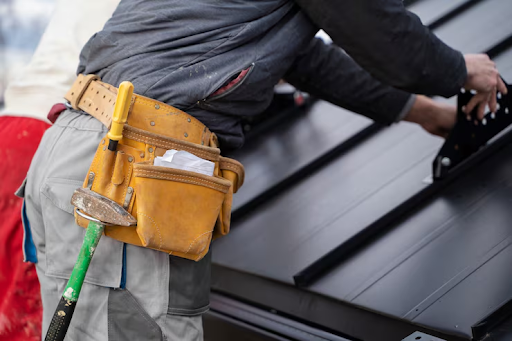
The bulk of a new roof installation involves methodically installing shingles, tile, or metal panels according to manufacturer specifications, a process that generally moves efficiently with an experienced crew.
Weather conditions play a significant role here, since rain or extreme heat can slow this stage considerably compared to mild, dry conditions.
Cleanup and Debris Removal
A thorough cleanup, including a magnetic sweep for stray nails, typically happens at the end of each work day and again once the project fully concludes to protect people and pets on the property.
Factors That Can Extend the Timeline
Roof size, pitch, material complexity, and unexpected decking damage are the most common reasons a project runs longer than initially estimated, so building in some schedule flexibility is generally wise.
The Final Inspection
Once installation wraps up, a final walkthrough confirms the work meets both manufacturer specifications and any applicable local building codes before the project is considered fully complete.
How Roof Size and Pitch Affect the Timeline
A larger roof or one with a steep pitch naturally takes longer to complete safely, since crews must move more carefully and often use additional safety equipment throughout the project.
Multiple roof levels or complex architectural features like dormers and valleys also add time compared to a simple, single plane roof structure.
Coordinating Permits Before Work Begins
Securing any required permits ahead of the scheduled start date prevents delays once the crew is ready to begin, since waiting on permit approval mid project can stall work entirely.
Setting Realistic Expectations With Your Contractor
Asking your contractor for a specific day by day breakdown of the expected timeline, rather than a single overall estimate, helps you plan around the project with much greater confidence.
This kind of detailed breakdown also makes it easier to notice early if the project is falling behind schedule for a reason worth discussing with the crew.
Wrapping Up With Realistic Expectations
A homeowner who understands this general timeline going in tends to feel far less anxious about the process than one caught off guard by each new stage.
Planning Around Household Disruption
Arranging for pets and young children to be elsewhere during the noisiest parts of the project helps the household stay comfortable while work is actively underway overhead.
Reviewing the Finished Work Carefully
Walking the property with the crew lead before they leave gives homeowners a chance to point out any remaining debris or concerns while the team is still on site to address them.
Keeping Documentation for Future Reference
Saving copies of the contract, warranty, and any inspection reports in an easily accessible place helps future homeowners or buyers understand the roof’s history if the property is ever sold.
ConclusionHow Long a Roof Replacement Really Takes, From Tear Off to Final Nail
A straightforward residential roof replacement typically takes one to three days from tear off to final inspection, though decking damage, weather, and roof complexity can extend that window. Understanding this realistic timeline helps homeowners plan accordingly.
Working with an experienced crew and building in some schedule flexibility helps the project move as smoothly as possible.
Knowing what to expect at each stage turns what can feel like an overwhelming project into a manageable, well understood process.