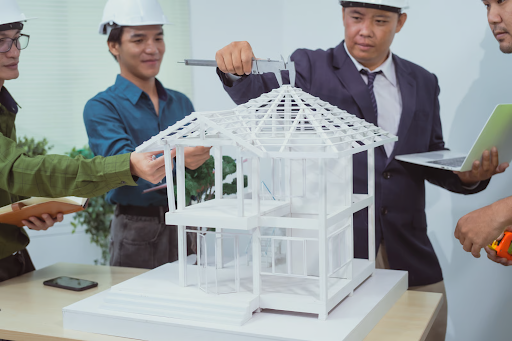
Every skyline tells a story. Behind every towering building or carefully planned structure lies a journey of ideas, calculations, and decisions that bring concepts to life. For those stepping into the world of civil and structural engineering, this journey begins with understanding how design, analysis, and creativity come together to shape the built environment.
Where Ideas Begin to Take Shape
Imagine standing in an open space, looking at a blank plot of land. To most people, it may seem empty. But to an engineer, it is full of possibilities. Every structure starts as an idea, one that must be carefully developed into something safe, functional, and efficient.
This transformation requires more than imagination. It demands a deep understanding of materials, loads, and design principles. Engineers must consider how a structure will behave under different conditions, from everyday use to extreme environmental forces. This process is what turns abstract ideas into real, lasting structures.
The Connection Between Design and Reality
Design is not just about creating something visually appealing. It is about ensuring that every element of a structure works together to provide strength and stability. This requires a balance between creativity and precision.
Engineers often begin by studying architectural plans, then move on to analyzing loads and forces. Each decision affects the final outcome, making accuracy essential at every stage. When done correctly, design becomes a bridge between imagination and reality, allowing structures to stand strong for years to come.
The Evolution of Engineering Tools
The way engineers work has changed significantly over time. Earlier, designs were created manually, requiring extensive calculations and time. Today, advanced tools have transformed this process, making it faster and more accurate.
Modern civil engineering design software allows engineers to simulate real-world conditions and analyze structures in detail. These tools help identify potential issues early, reducing the risk of errors during construction. By using software effectively, engineers can create designs that are both efficient and reliable.
However, it is important to remember that software is a tool, not a replacement for understanding. Engineers must still rely on their knowledge and judgment to interpret results and make informed decisions.
Learning Through Practical Application
One of the most effective ways to understand engineering concepts is through practical application. When learners work on real or simulated projects, they gain insights that go beyond theoretical knowledge.
Practical learning allows them to see how structures behave under different conditions. It helps them understand the impact of design choices and develop problem-solving skills. This hands-on approach builds confidence and prepares learners for real-world challenges.
Working on projects also encourages critical thinking. Instead of following fixed steps, learners explore different solutions and evaluate their effectiveness. This process not only enhances their technical skills but also strengthens their ability to think independently.
Understanding Structural Behavior
At the heart of engineering lies the concept of structural behavior. Every structure responds to forces in a unique way, depending on its design and materials. Understanding this behavior is essential for creating safe and efficient designs.
Engineers analyze how loads are distributed across different elements. They study how beams bend, how columns carry weight, and how connections transfer forces. This knowledge helps them design structures that can withstand various conditions without failure.
By focusing on these principles, learners develop a deeper appreciation for the science behind engineering. They begin to see structures not just as physical objects, but as systems that interact with their environment.
The Role of Advanced Tools in Design
As projects become more complex, the need for advanced tools becomes even more important. Software like ETABS software plays a crucial role in modern engineering by enabling detailed analysis and design of structures.
With such tools, engineers can model entire buildings, apply loads, and study how the structure responds. This level of detail allows for better decision-making and more efficient designs. It also helps in identifying potential issues before construction begins, saving time and resources.
Despite the advantages, it is essential to use these tools wisely. Understanding the underlying principles ensures that results are accurate and reliable. When combined with strong conceptual knowledge, these tools become powerful assets in the design process.
Building Confidence Through Experience
Confidence in engineering does not come from memorizing formulas. It comes from applying knowledge and learning from experience. Each project, whether small or large, contributes to this growth.
As learners gain experience, they become more comfortable with complex problems. They learn to approach challenges systematically and find solutions effectively. This confidence is what enables them to take on greater responsibilities and excel in their careers.
Consistency plays a key role in this process. Regular practice, continuous learning, and a willingness to improve are essential for long-term success.
Adapting to Industry Demands
The engineering industry is constantly evolving. New technologies, materials, and methods are introduced regularly. To stay relevant, engineers must adapt to these changes and continue learning.
This adaptability is what sets successful professionals apart. By staying updated and embracing new tools and techniques, engineers can remain competitive and contribute to innovative projects.
Learning is not a one-time process. It is a continuous journey that evolves with the industry. Those who embrace this mindset are better prepared for future challenges and opportunities.
Creating a Meaningful Engineering Journey
Engineering is not just a career; it is a journey of growth and discovery. Each project, each challenge, and each success adds to this journey.
By focusing on practical learning, continuous improvement, and real-world applications, aspiring engineers can build a strong foundation for their careers. They can turn their knowledge into meaningful contributions that shape the world around them.
This journey requires dedication and persistence, but the rewards are worth the effort. The ability to create structures that stand strong and serve communities is both fulfilling and impactful.
Conclusion
Building a successful path in engineering requires more than technical knowledge. It demands a deep understanding of design principles, practical experience, and the ability to adapt to changing industry needs. By combining these elements, learners can develop the skills needed to excel in their careers.
For those seeking a structured and practical approach to learning, platforms like Civilera offer valuable opportunities to gain hands-on experience, explore civil engineering design software, and gain industry-relevant knowledge, helping transform ambition into a successful engineering career.