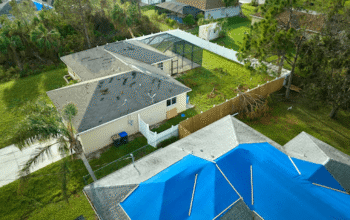
When it comes to protecting your home in South Florida, your roof is one of the most important elements. The intense sunlight, heavy rain, humidity, and the risk of hurricanes make it essential to have a high-quality roof installed by professionals who understand the local environment.
Hiring the right roofing contractors in South Florida can make a huge difference in the durability and performance of your roof. To make an informed choice, you should know what skills and qualities to look for in a contractor. Below are the key skills every reliable roofing contractor in South Florida should possess.
Licensing and Certification
The first and most important qualification to check is licensing. Roofing contractors in Florida are required to have a license from the Florida Department of Business and Professional Regulation (DBPR). This ensures that they have the basic qualifications, training, and legal standing to operate. A properly licensed contractor will also carry insurance, including general liability and workers’ compensation coverage, protecting both their crew and your property.
Additionally, certifications from roofing material manufacturers can be a strong indicator of a contractor’s expertise. These certifications often require training and demonstrate that the contractor is authorized to install specific roofing systems according to manufacturer standards.
Experience with South Florida’s Climate
South Florida’s unique climate poses challenges that contractors from other regions may not fully understand. Roofs here are exposed to strong UV rays, heavy rainfall, and even hurricane-force winds. This makes it essential to hire a contractor who has extensive experience working in South Florida.
An experienced local contractor will understand which roofing materials hold up best under constant sun exposure, which types can resist high winds, and how to install roofs that meet Florida’s strict hurricane codes. Their familiarity with the area also means they are better prepared to handle region-specific issues like salt corrosion near the coast or algae growth due to humidity.
Technical Roofing Knowledge
Roofing is a complex trade that requires in-depth knowledge of materials, systems, and proper installation techniques. A skilled contractor should be able to work with various types of roofing systems including shingles, metal roofing, tile roofs, and flat or low-slope systems. They should understand proper roof ventilation, drainage, underlayment installation, and flashing techniques to ensure water does not enter the home.
Their technical ability should also include the proper use of tools, safety equipment, and modern technology such as moisture detection tools and roofing design software. This level of knowledge ensures not only a good-looking roof but one that performs well for years.
Attention to Detail and Craftsmanship
Roofing is not just about laying down shingles. A truly skilled contractor pays attention to the smallest details, such as making sure shingles are aligned correctly, flashing is properly sealed, and every nail is placed securely. Even small mistakes can lead to leaks or long-term damage to the roofing structure.
Contractors who take pride in their craftsmanship ensure that the work is not only functional but also aesthetically pleasing. Clean edges, symmetrical lines, and tidy installation are signs of someone who values their work and respects your property.
Problem-Solving and Diagnostic Skills
Roofing projects often involve unexpected challenges. A competent contractor should have strong problem-solving skills and the ability to diagnose issues that may not be immediately visible. For example, during a roof replacement, hidden damage to the underlying structure may be discovered. A skilled contractor should know how to address these problems efficiently without compromising the integrity of the job.
They should also be able to suggest preventive measures or upgrades, such as improved attic ventilation or the addition of water barriers, which can improve the roof’s lifespan and your home’s energy efficiency.
Clear Communication and Professionalism
Communication is an essential skill for any contractor. The roofing professional you hire should be easy to talk to, explain the scope of the work clearly, and provide accurate estimates. They should be punctual, maintain a professional appearance, and be respectful in their interactions.
Professional contractors communicate changes in schedule or materials, provide written contracts, and answer questions promptly. This kind of professionalism builds trust and ensures that the project proceeds smoothly from start to finish.
Strong References and Local Reputation
One of the best ways to evaluate a roofing contractor is by reviewing their reputation. A contractor with a history of successful projects in South Florida will often have positive reviews and satisfied customers willing to vouch for their work. Asking for references or checking online platforms like Google Reviews, Yelp, or the Better Business Bureau can provide valuable insights.
In addition to customer feedback, the contractor’s presence in the local community is a sign of reliability. Contractors who have been serving the same area for years are more likely to stand by their work and provide after-sales service if needed.
Knowledge of Permits and Regulations
South Florida has some of the strictest building codes in the country, especially related to roofing systems due to hurricane risks. A qualified roofing contractor should be well-versed in these regulations and handle the permitting process on your behalf.
They should ensure that your roofing project is compliant with the Florida Building Code, schedule any necessary inspections, and make sure all documentation is in order. Failure to comply with regulations can lead to fines or delays, so this knowledge is essential.
Warranty and After-Sales Support
Reliable contractors provide warranties for both materials and workmanship. Manufacturer warranties protect you against defects in the materials used, while a workmanship warranty covers installation errors. The best contractors offer clear, written warranties and explain what is covered and for how long.
After-sales support is also crucial. You should feel confident that if a problem arises after the job is complete, the contractor will return to address it promptly. This ongoing support shows a commitment to customer satisfaction and confidence in the quality of their work.
Conclusion
Finding a trustworthy roofing contractor in South Florida involves more than comparing prices. The region’s weather demands specialized knowledge and high standards of workmanship.
By looking for skills such as proper licensing, local experience, technical expertise, attention to detail, and strong communication, you can ensure your roof will protect your home for years to come.
Always do your homework before hiring—ask questions, check references, and choose a contractor who is prepared to meet South Florida’s roofing challenges head-on.
If you are looking for a recommendation, you can rely on Construction 95 LLC. For more information, visit the site.