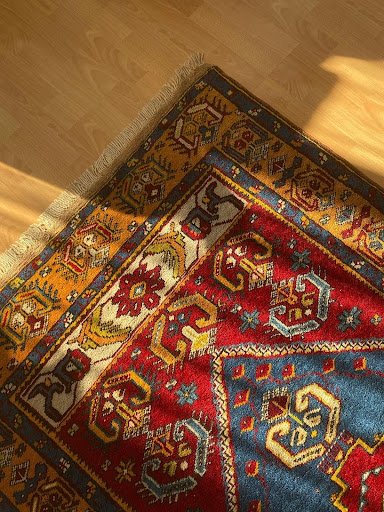
Persian carpets are known for their intricate weaving, natural dyes, and rich cultural heritage, making them highly valuable yet extremely delicate. Proper care requires a scientific understanding of fibers, dyes, and cleaning techniques, especially when dealing with issues like Persian rug stain removal, which demands precision to avoid damaging the original artwork or altering its natural colors.
Unlike regular carpets, Persian rugs react differently to moisture, chemicals, and heat due to their handcrafted nature and organic materials. This is why professional restoration methods are essential to preserve their beauty, structural integrity, and long-term durability while maintaining their authentic craftsmanship and artistic value.
Understanding the Structure of Persian Carpets
Persian carpets are traditionally hand-knotted using natural materials such as wool, silk, and cotton. Each fiber type has a different reaction to cleaning agents and environmental conditions.
Wool fibers, for example, contain natural lanolin, which provides resistance to dirt but can trap oily stains. Silk fibers are highly delicate and require extremely gentle treatment, while cotton is used as a foundation material that provides structural stability.
The complexity of these materials is what makes scientific cleaning methods necessary for effective restoration.
The Chemistry Behind Carpet Stains
Stains on Persian carpets are not all the same. They can be water-based, oil-based, or protein-based, and each type requires a different treatment approach.
- Water-based stains (tea, juice) dissolve easily but may spread if not treated properly.
- Oil-based stains (food, cosmetics) require specialized solvents.
- Protein-based stains (milk, blood) need enzymatic cleaning solutions
This is where techniques like Persian rug stain removal become highly specialized, as professionals must identify the stain type before applying any solution to prevent color fading or fiber damage.
Incorrect treatment can cause dye instability or permanent discoloration, especially in naturally dyed Persian rugs.
Role of Natural Dyes in the Cleaning Process
One of the most important scientific challenges in Persian carpet care is working with natural dyes. These dyes are derived from plants, minerals, and insects, and they behave differently under chemical exposure.
Natural dyes are sensitive to pH levels, meaning even a slight chemical imbalance can cause bleeding or fading. This is why experts carefully test cleaning solutions before full application.
Modern restoration techniques use controlled pH-balanced solutions to ensure color stability and prevent dye migration during deep cleaning processes.
Fiber Science and Cleaning Techniques
Understanding fiber behavior is key to restoring Persian carpets effectively.
1. Wool Fiber Response
Wool fibers naturally expand when exposed to moisture and contract during the drying process, which can lead to distortion, shrinking, or texture imbalance if not handled correctly. Proper controlled cleaning is essential to maintain the rug’s original shape and softness.
2. Silk Sensitivity
Silk is highly valued for its natural shine and elegant appearance, as it reflects light beautifully. However, it is extremely sensitive to harsh chemicals and requires very gentle, low-moisture cleaning methods to prevent weakening, discoloration, or fiber damage.
3. Cotton Stability
Cotton is commonly used as the foundation in Persian carpets due to its strength and durability. However, it can shrink or lose structural integrity if exposed to excessive water or improper drying techniques, making careful handling very important during cleaning.
These scientific properties determine how restoration experts approach each cleaning stage, ensuring the rug retains its original structure and texture.
Advanced Techniques in Persian Rug Restoration
Professional carpet restoration involves multiple scientific processes such as pre-inspection under controlled lighting, dust extraction using micro-vacuum systems, fiber testing for dye stability, and targeted stain treatment based on chemical composition. Controlled drying methods are also used to prevent shrinkage and warping. Each stage is carefully designed to preserve the rug’s integrity while restoring its original appearance without causing structural stress or color imbalance.
Importance of Controlled Moisture Levels
Moisture control is one of the most critical scientific factors in Persian carpet cleaning, as even slight imbalances can affect the rug’s structure and appearance. Excess water can weaken natural fibers, cause dye bleeding, and lead to long-term issues such as mold formation or odor retention if not properly managed.
Professionals use carefully measured moisture application along with controlled drying environments to ensure the rug remains stable throughout the cleaning process. This approach helps preserve fiber strength, prevents shrinkage, and maintains the original texture and color balance of the carpet.
Scientific Importance of Professional Restoration
Professional restoration is not just cleaning; it is a scientific process of Persian rug stain removal involving chemistry, material science, and textile engineering, where each step is carefully planned to protect delicate fibers, preserve natural dyes, and ensure the rug’s original structure and artistic value remain intact.
Experts analyze fiber composition, dye structure, and stain chemistry before deciding the treatment approach. This ensures that every step is customized for the specific rug type, preventing irreversible damage. In many cases, restoration also includes structural repair, knot reinforcement, and color balancing to bring back the rug’s original artistic identity.
Why Science Matters in Carpet Restoration
The scientific approach ensures that Persian carpets are treated as delicate textile artifacts rather than ordinary floor coverings. By understanding chemistry, fiber behavior, and dye composition, professionals can restore carpets without compromising their authenticity.
This is especially important for antique rugs, where even minor damage can significantly reduce historical and monetary value.
Conclusion
The science behind Persian carpet cleaning combines chemistry, material understanding, and precision techniques to ensure long-lasting preservation of these valuable textiles. From stain analysis to fiber protection, every step plays a crucial role in restoration.
Maintaining delicate fabrics while cleaning is extremely important, which is why many people prefer expert care to ensure their valuable rugs are handled safely and professionally. Moon Light Carpet L.L.C is a trusted expert in carpet care, offering specialized solutions for delicate Persian rugs using advanced scientific cleaning methods. The company focuses on quality, precision, and fabric-safe techniques to maintain authenticity and beauty. With expertise in Persian carpet cleaning in Dubai, Moon Light Carpet L.L.C provides reliable restoration services that protect cultural value while ensuring deep and safe cleaning for every handcrafted rug.