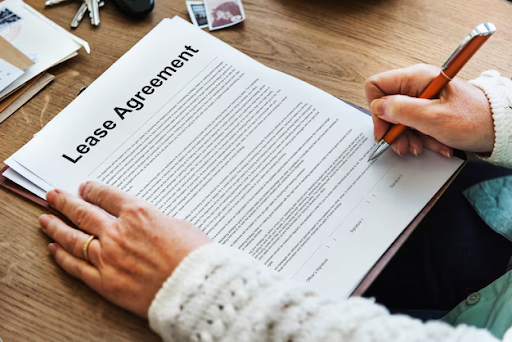
A commercial lease agreement is a legally binding contract between a property owner (landlord) and a business (tenant) that outlines the terms under which the business will occupy a commercial space — such as an office, retail storefront, restaurant, or warehouse. Unlike a residential lease, a commercial lease is generally more negotiable, more detailed, and places more responsibility on the tenant to manage the space and, in many cases, share in property expenses.
How Is a Commercial Lease Different from a Residential Lease?
Residential leases are governed by strong tenant protection laws in most states. Commercial leases, by contrast, are generally treated as negotiations between two sophisticated parties, with fewer automatic protections for tenants. This means the specific terms in the commercial property lease matter enormously — and that both parties have more room to negotiate items like rent structure, maintenance obligations, and lease duration.
Businesses entering a commercial lease often have more leverage at the negotiating table than they realize, particularly in slower commercial real estate markets.
Common Types of Commercial Lease Structures
Gross Lease
In a gross lease, the tenant pays a flat monthly rent and the landlord covers most operating expenses, including taxes, insurance, and maintenance. This structure gives tenants predictable monthly costs but typically comes with a higher base rent.
Net Lease
A net lease requires the tenant to pay base rent plus some or all of the property’s operating expenses. A single net lease covers taxes; a double net lease covers taxes and insurance; a triple net (NNN) lease covers taxes, insurance, and maintenance. Triple net leases are common in retail commercial real estate leases and transfer the most expense responsibility to the tenant.
Modified Gross Lease
A modified gross lease falls between a gross and net lease. The parties negotiate which expenses the tenant covers directly and which the landlord absorbs. This flexibility makes it a common structure in office lease agreements.
Key Provisions in a Commercial Lease Agreement
Rent and Escalation Clauses
Most commercial leases include a base rent and an escalation clause specifying how and when rent will increase — typically tied to a fixed percentage or an index such as the Consumer Price Index (CPI). Understanding these terms before signing is critical for long-term budget planning.
Lease Term and Renewal Options
Commercial leases typically run for longer periods than residential leases — often three to ten years. A renewal option gives the tenant the right to extend the lease at terms specified in advance. Negotiating favorable renewal terms at the outset can provide significant leverage and stability for a growing business.
Tenant Improvements
Tenant improvements (TIs) refer to modifications made to the commercial space to suit the tenant’s business needs — such as building out partitions, installing equipment, or adding restrooms. The retail lease form or office lease agreement should specify who pays for tenant improvements, who owns them, and what happens to them when the lease ends.
Conclusion
A commercial lease agreement is one of the most significant contracts a business owner will sign. The terms you agree to at the outset will shape your occupancy costs and operational flexibility for years. Resources like 360 Legal Forms offer attorney-reviewed commercial lease templates as a starting point for understanding the standard provisions involved. Given the financial stakes, having a commercial real estate attorney review any commercial lease before signing is generally money well spent.
Legal Disclaimer: This article is for informational purposes only and does not constitute legal advice. Consult a qualified attorney for guidance specific to your situation.