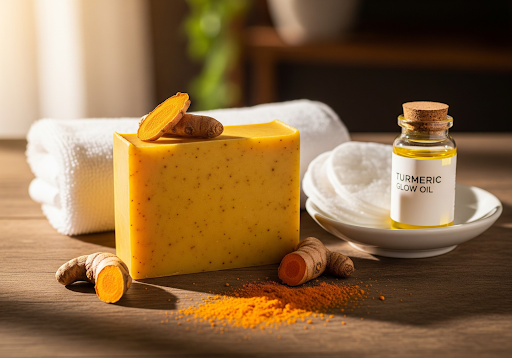
Combination formulas such as Turmeric Kojic Acid Soap are designed to bring together the properties of two well‑known skincare ingredients. Kojic acid is recognized for its role in addressing hyperpigmentation, while turmeric has a long history in traditional care for its soothing and antioxidant properties. Understanding how these elements work together helps users decide whether a turmeric kojic bar fits their needs.
Roles of Kojic Acid and Turmeric in Skincare
Kojic acid acts primarily as a tyrosinase inhibitor, meaning it can influence the process by which excess melanin (pigment) is produced in the skin’s upper layers. This makes it a common choice in brightening products aimed at addressing uneven tone and visible dark spots.
Turmeric, on the other hand, contains compounds such as curcumin that have been widely studied for antioxidant and calming properties. In topical products, turmeric extracts are often used to support a more even‑looking complexion and to complement formulas designed for appearance of clarity.
How a Dual-Action Soap Functions
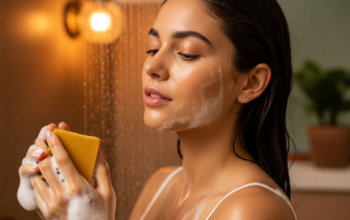
In a dual‑action soap, each ingredient contributes differently during cleansing. As the Turmeric Kojic Acid Soap is lathered and massaged onto the skin, kojic acid interacts with the upper layers of the epidermis, while turmeric‑derived components provide their own supportive effects. The cleansing base removes impurities, excess oil, and debris, preparing the skin for subsequent steps in a routine.
Short contact times mean that most of the effect is cumulative rather than immediate. With regular use, users may notice gradual improvements in the look of surface dullness and an overall more harmonious tone. As with any active product, patience and consistency are important.
Target Concerns for Turmeric-Kojic Formulations
Dual‑ingredient brightening turmeric soap is often chosen by individuals concerned about a combination of issues: lingering marks after blemishes, general unevenness from past sun exposure, or areas of dullness that make the complexion look tired. While such products are not medical treatments, they can play a supportive role in cosmetic care plans.
It is important to distinguish between realistic cosmetic goals—such as softening the look of surface spots—and expectations of dramatic, rapid changes. Managing expectations helps users evaluate whether a product is beneficial over several weeks or months of use.
Suitable Skin Types and Usage Areas
Turmeric Kojic Acid Soap may be used on various areas of the body, such as the face, neck, shoulders, or limbs, depending on the individual’s goals and skin tolerance. Normal, combination, or oily skin types often tolerate such products well when balanced with adequate moisturization.
For dry or sensitive skin, targeted use on specific areas rather than full‑face or full‑body application may be preferable. Patch testing on a small area before wider use helps identify any potential adverse reactions. Areas with thinner skin, like around the eyes, should generally be avoided.
Integrating the Soap into a Routine
A simple way to integrate a dual‑action soap is to use it as the main evening cleanser a few times a week, gradually increasing frequency as the skin allows. After rinsing thoroughly and patting the skin dry, applying a hydrating serum or moisturizer helps maintain barrier function.
In the morning, a gentle, non‑active cleanser may be used instead, paired with sunscreen. This alternating approach prevents overuse of actives while maintaining consistent exposure to the beneficial ingredients of the turmeric kojic bar’s beneficial ingredients.
Importance of Sun Protection and Complementary Care
Any skincare routine focused on tone and clarity should include sun protection. Since kojic acid works on pigment pathways and turmeric supports evenness, unprotected exposure to ultraviolet radiation can counteract desired effects. Daily application of broad‑spectrum sunscreen on exposed areas remains essential.
Complementary products—such as moisturizers with barrier‑supportive ingredients and occasional gentle exfoliants—can further refine texture and comfort. However, introducing too many active products at once can be counterproductive, so it is advisable to adjust routines gradually.
Conclusion
Turmeric Kojic Acid Soap represents a dual‑action approach that combines two established cosmetic ingredients in a cleansing format. By understanding the distinct roles of kojic acid and turmeric, users can better appreciate how the soap supports efforts to improve the look of uneven tone and dullness. Used thoughtfully, alongside moisturization and consistent sun protection, this type of formulation can become a useful part of a longer‑term skincare strategy.