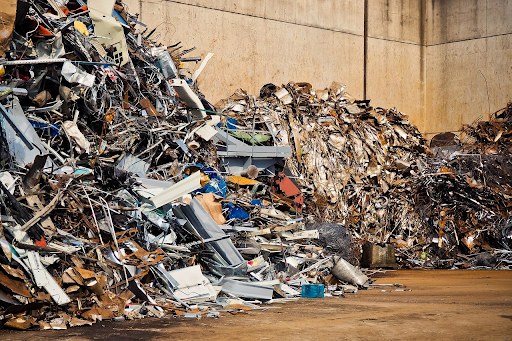
Technology changes quickly, and organisations regularly replace computers, servers, printers, networking equipment, and other electronic devices. When this equipment reaches the end of its useful life, it should be handled carefully rather than left in storage or discarded with ordinary waste. Working with an experienced IT Scrap Buyer Recycling service can help businesses manage unwanted technology, recover value from suitable items, and support responsible material recovery while maintaining clear and accessible internal business records.
Understanding IT Scrap and Its Value
IT scrap includes electronic equipment that is outdated, damaged, surplus, or no longer required for daily operations. It can come from offices, schools, banks, retail outlets, data centres, hospitals, and industrial facilities. Some items may still function, while others may be useful only for spare parts or material recovery.
Common examples include:
- Desktop computers, laptops, and workstations
- Servers, storage units, and network switches
- Routers, modems, and communication devices
- Keyboards, monitors, printers, and scanners
- Circuit boards, cables, and electronic accessories
- UPS systems and selected power equipment
Why Businesses Should Avoid Unmanaged Disposal
Storing unwanted electronics for long periods can create practical and environmental problems. Old equipment takes up valuable office or warehouse space, collects dust, and can make inventory management difficult. A planned collection and recycling arrangement offers several advantages:
- Frees up storage areas and workspaces.
- Makes asset clearance more organised.
- Supports recovery of reusable equipment and materials.
- Reduces the amount of electronic waste sent for unsuitable disposal.
- Creates a clearer record of items transferred for processing.
- Helps businesses manage equipment replacement projects efficiently.
How the Buying and Recycling Process Works
A reliable service usually begins with a discussion about the type and quantity of equipment available. The buyer may request an item list, photographs, model details, or an inspection, depending on the size of the collection. This initial information helps determine the likely handling requirements and whether an on-site assessment is needed.
A typical process may include these stages:
- Initial enquiry: The business shares basic details about the equipment, its location, and the approximate quantity.
- Assessment: The buyer reviews the items and evaluates their condition, specifications, and potential recovery value.
- Quotation: A price or collection proposal is provided based on the assessment and agreed terms.
- Collection planning: Both parties confirm access, timing, packing requirements, and any special handling needs.
- Transfer and processing: Equipment is collected and directed towards reuse, refurbishment, parts recovery, or recycling as appropriate.
Making Better Decisions About Old Equipment
For larger clearances, separate equipment into practical groups:
- Working devices that may be suitable for reuse.
- Non-working devices that may provide spare parts.
- Cables and accessories that can be sorted separately.
- Items requiring specialist handling or additional review.
Choosing a Suitable Buyer in Dubai
The right partner should offer more than a quick collection. Businesses need clear communication, transparent assessment, suitable transport arrangements, and responsible downstream handling. When comparing providers, consider their experience with commercial IT equipment and their ability to manage collections of different sizes.
Useful points to discuss include:
- Whether the buyer accepts the categories of equipment you have.
- How prices are calculated and when quotations may change.
- Whether collection is available from your office, warehouse, or facility.
- How data-bearing devices are handled.
- Whether item lists, receipts, or processing records are provided.
- How equipment is directed towards reuse or material recovery.
A dependable IT Scrap Buyer Recycling partner should explain the process in straightforward language and answer questions before the transfer takes place. Businesses should avoid choosing a provider based only on an estimated price. Service scope, documentation, security procedures, and handling practices are also important considerations.
Understanding Buyback Opportunities
Some businesses replace technology while it still has resale potential. Recent laptops, servers, networking equipment, and other working devices may attract interest if they are in usable condition and have sufficient market demand. A buyback arrangement can help recover part of the original investment and reduce the cost of clearing surplus assets.
For companies planning a large upgrade, discussing IT Scrap Buyer Buyback in Dubai options early can make asset replacement more organised. It allows the business to identify equipment that may have resale value before it becomes outdated or deteriorates in storage. The buyer can explain which items qualify and what information is needed for a fair assessment.
Preparing for Collection Day
Good preparation saves time for both the business and the collection team. Appoint one staff member to coordinate access and confirm which equipment is approved for removal. Make sure the collection area is accessible and that devices are grouped in a way that supports checking and loading.
A simple checklist can help:
- Confirm the final item list and quantities.
- Remove personal belongings and unrelated office materials.
- Complete required backups and data security procedures.
- Label equipment that must not be collected.
- Arrange building access, loading space, and any required approvals.
- Keep copies of agreed quotations and transfer documents.
The Environmental Importance of Responsible Recycling
Electronic equipment contains a mixture of materials, including metals, plastics, glass, and electronic components. Responsible recycling aims to recover useful resources while ensuring that unsuitable materials are handled through appropriate channels. Recovered metals and components can re-enter supply chains, reducing the need to obtain every material from newly extracted resources.
Businesses in Dubai can contribute by treating electronic scrap as a managed resource rather than ordinary rubbish. Choosing an established buyer, asking about handling practices, and keeping basic transfer records all support a more accountable approach. Responsible disposal is not only an environmental consideration; it can also improve operational order and asset management.
Conclusion
Choosing a professional service can make electronic asset clearance more convenient for organisations of different sizes. From a few office computers to larger collections of servers and networking equipment, a planned approach helps businesses understand their options and handle equipment responsibly.
Comparing the condition of items, confirming data requirements, and agreeing on collection details are useful steps before proceeding. For organisations seeking an IT Scrap Buyer Buyback in Dubai service, IT Scrap Buyer offers a way to begin a discussion about surplus equipment and possible value recovery. Contact IT Scrap Buyer through its website to enquire about your IT scrap requirements, discuss collection needs, and learn which solutions may suit your business. A clear conversation before collection can help make the process more efficient, secure, and responsible.