A house can be built quickly. Walls go up, roofs are sealed, and rooms are filled with fittings. But architecture begins somewhere else. It begins when decisions are shaped by intent, not speed. The difference is not cosmetic. It is structural, spatial, and long-lasting.
Many homes meet building codes but never become architecture. They function, yet they feel ordinary. The reason often comes down to process. Architecture requires deeper thinking at every stage. This is where architectural builders play a defining role.
From Construction to Concept
Most standard builds follow a fixed path. Plans are prepared, materials are ordered, and trades follow instructions. The outcome is predictable. Architecture works in reverse. It starts with how people move, rest, gather, and retreat within a space. Structure supports behaviour, not the other way around.
When architecture leads the process, the build responds to site conditions, orientation, light, and proportion. Ceilings are shaped for airflow. Windows are placed for privacy and warmth, not just appearance. Rooms relate to each other with intention. These outcomes require builders who understand design logic, not only construction sequencing.
Precision Changes Everything
Architecture depends on accuracy. A few millimetres can change how light travels across a room. Small alignment errors can break the balance of a facade. This level of precision is not optional. It defines the final experience of the home.
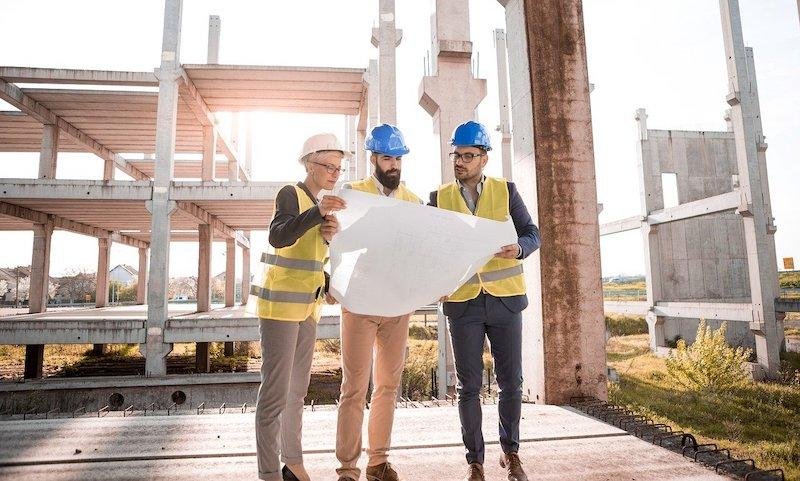
Architectural builders work differently on site. They read drawings closely and question inconsistencies early. They coordinate trades so that finishes align with structural intent. Details are resolved before they become problems. This avoids compromises that often appear late in conventional builds.
Materials With Purpose
In architecture, materials are chosen for more than cost or availability. Timber may be selected for warmth and ageing qualities. Concrete may be used for thermal mass. Steel might allow longer spans and cleaner lines. Each choice supports a broader idea. These decisions also influence maintenance, durability, and how a building feels over time. When materials are used with intent, they reinforce the design rather than compete with it, creating spaces that remain functional and coherent as they age.
The role of architectural builders here is practical and critical. Materials must be installed correctly to perform as designed. Poor execution weakens the concept. Careful handling preserves it. This connection between design and delivery is where many projects either succeed or fail.
Space as an Experience
Architecture is felt as much as it is seen. Movement through a home should feel natural. Transitions between indoor and outdoor spaces should be clear but gentle. Privacy and openness must be balanced.
These outcomes cannot be added later. They are built into the structure. Stair placement, corridor width, window height, and room relationships all matter. When architectural builders understand this, the result is a home that feels calm and considered, not assembled.
Longevity Over Trend
Architecture ages differently from standard builds. Trend-based features date quickly. Thoughtful design improves over time. Proportions remain relevant. Materials develop character. Maintenance becomes easier, not harder.
Architectural builders support this long-term view. They focus on durability, not shortcuts. They build for performance over decades, not display at handover.
When Building Becomes Architecture
A house becomes architecture when decisions are connected. Structure supports lifestyle. Materials support climate. Design is protected through construction. This level of cohesion does not happen by chance.
Architectural builders make this possible by bridging design intent and physical reality. They are not simply executing instructions. They are preserving ideas. That is when a build stops being a build and starts becoming architecture.