Pets rely on healthy bones, joints, muscles, and ligaments to enjoy their daily activities. However, injuries, age-related changes, and inherited conditions can make walking, running, and playing difficult. When a pet experiences pain or restricted movement, consulting a pet veterinary orthopedic surgeon can help identify the underlying problem and provide appropriate treatment to support recovery and improve mobility.
Veterinary orthopedic treatment focuses on diagnosing and managing conditions that affect the musculoskeletal system. Depending on the diagnosis, veterinarians may recommend medication, surgery, rehabilitation, or a combination of treatments. Moreover, early intervention can help prevent certain conditions from worsening and improve a pet’s overall quality of life.
Understanding Common Orthopedic Problems in Pets
Orthopedic conditions can affect dogs and cats at different stages of life. While some problems develop gradually, others appear suddenly following an accident or injury.
Common orthopedic issues include:
- Fractures: Broken bones caused by falls, accidents, or other physical trauma.
- Hip Dysplasia: An abnormal hip joint that may cause pain, stiffness, and difficulty walking.
- Cruciate Ligament Injuries: Damage to knee ligaments that can make standing and walking uncomfortable.
- Patellar Luxation: A condition in which the kneecap moves out of its normal position.
- Arthritis: Joint inflammation and degeneration that can reduce flexibility and movement.
- Soft tissue Injuries: Damage to muscles, tendons, or ligaments that affects normal activity.
Although these conditions vary in severity, timely veterinary assessment helps determine the most suitable treatment.
Choosing Appropriate and Affordable Orthopedic Care in Dubai
Veterinary orthopedic treatment can involve consultations, diagnostic tests, medication, surgery, and rehabilitation. Therefore, understanding the complete treatment plan can help owners make informed decisions.
When comparing clinics, consider these factors:
- Veterinary Expertise: Check the qualifications and relevant experience of the professionals treating your pet.
- Diagnostic Facilities: Ask whether the clinic can perform the examinations and imaging required for your pet’s condition.
- Transparent Estimates: Request a breakdown of consultation, testing, surgical, medication, and follow-up costs.
- Pain Management: Understand how the team will keep your pet comfortable during treatment and recovery.
- Aftercare Support: Choose a clinic that explains home care and provides appropriate follow-up guidance.
Searching for the best affordable pet orthopedic in dubai should involve more than comparing prices. Consider the quality of care, treatment suitability, communication, and aftercare alongside the overall cost. A clear estimate can help you plan financially without compromising your pet’s essential medical needs.
Signs Your Pet May Need Specialized Orthopedic Care
Pets cannot explain their discomfort verbally. Therefore, owners should observe changes in their movement, behaviour, and activity levels.
Important Warning Signs
Watch for the following symptoms:
- Limping or favouring one leg while walking.
- Difficulty standing up, climbing stairs, or jumping.
- Stiffness after resting or sleeping.
- Reluctance to participate in normal activities.
- Swelling around a joint or limb.
- Unusual reactions when a particular area is touched.
- Reduced activity, irritability, or changes in posture.
These signs do not always indicate an orthopedic condition, but they deserve attention. If your pet suddenly cannot bear weight, suffers a serious injury, or experiences severe pain, seek urgent veterinary care.
How Specialized Orthopedic Care Improves Mobility
Specialized care addresses the underlying cause of movement difficulties rather than simply focusing on visible symptoms. A veterinarian assesses the pet’s condition and develops an appropriate treatment plan.
Accurate Diagnosis and Assessment
The first step involves understanding the source of the problem. A veterinary professional may:
- Review the pet’s medical history and symptoms.
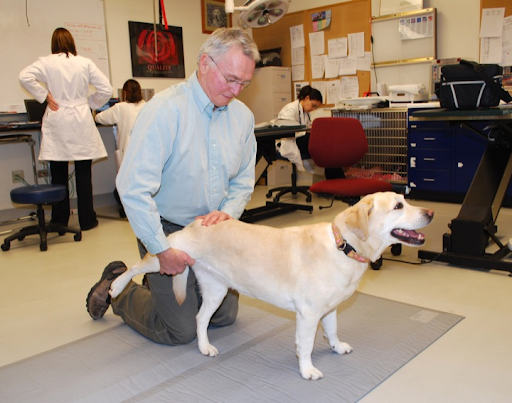
- Examine the affected limbs and joints.
- Observe walking patterns and weight distribution.
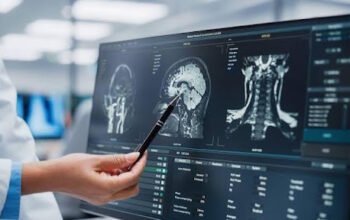
- Recommend X-rays or other imaging tests when necessary.
- Evaluate whether additional diagnostic procedures are required.
An accurate diagnosis helps guide treatment decisions and reduces the risk of overlooking underlying injuries.
Personalized Treatment Options
Every pet has different medical needs. Consequently, treatment should reflect the animal’s age, size, condition, activity level, and overall health.
Depending on the diagnosis, treatment may include:
- Medication: Prescribed medicines may help manage pain and inflammation.
- Orthopedic Surgery: Surgical procedures may repair fractures, stabilize joints, or address certain structural abnormalities.
- Activity Modification: Temporary restrictions can protect injured tissues during healing.
- Supportive Therapies: Rehabilitation and controlled exercises may help restore strength and flexibility.
Not every orthopedic problem requires surgery. Instead, the veterinarian selects the approach that offers the most appropriate balance of safety, comfort, and recovery.
The Role of Veterinary Orthopedic Surgeons
Complex bone and joint conditions may require specialized expertise. A pet veterinary orthopedic surgeon focuses on diagnosing and treating musculoskeletal problems that affect an animal’s movement and comfort.
Benefits of Specialized Expertise
- Advanced Treatment Planning: Specialists can assess complex injuries and discuss suitable treatment options.
- Surgical Precision: When surgery is necessary, appropriate techniques can help restore joint stability and bone alignment.
- Improved Pain Management: Veterinary teams develop pain-control plans suited to the procedure and the pet’s health.
- Recovery Guidance: Clear instructions help owners support healing and monitor progress.
- Long-Term Mobility Support: Follow-up assessments can identify recovery concerns and guide ongoing care.
Furthermore, owners should ask about the surgeon’s experience, available diagnostic facilities, treatment risks, and expected recovery period before making decisions.
Why Rehabilitation Matters After Treatment
Orthopedic treatment does not end when an injury has been repaired. Rehabilitation often plays an important role in restoring muscle strength, flexibility, and coordinated movement.
Practical Ways to Support Recovery
Veterinarians may recommend the following measures:
- Controlled exercise: Short, supervised walks can help rebuild strength when approved by the veterinarian.
- Physiotherapy: Professionally guided exercises may improve flexibility and joint function.
- Hydrotherapy: Water-based exercise may support movement while reducing weight-bearing stress in suitable cases.
- Comfortable resting areas: Soft bedding and easy access to food and water can reduce unnecessary movement.
- Follow-up visits: Regular assessments help the veterinary team monitor healing and adjust the recovery plan.
However, owners should never increase exercise or begin rehabilitation independently after surgery. Following professional instructions helps protect the affected area and reduces the risk of reinjury.
Conclusion
Specialized orthopedic care can make a meaningful difference in a pet’s ability to move comfortably, recover from injuries, and enjoy everyday activities. By recognizing warning signs early, seeking an accurate diagnosis, and following a personalized treatment and rehabilitation plan, owners can support better mobility and long-term well-being. Consulting a qualified pet veterinary orthopedic surgeon and carefully evaluating options for the best affordable pet orthopedic in dubai can help pet owners make informed decisions based on their companion’s medical needs.
Pet Point Veterinary Clinic provides veterinary care for pets, including orthopedic assessments and treatment options. They provide information on orthopedic surgery, diagnostic procedures, pain management, and recovery support to help pet owners understand the available care options. Pet owners can explore services, learn more about treatment options, and contact the team via the official Pet Point Veterinary Clinic website.