Sudden paralysis in dogs can be a distressing experience for both the pet and the owner. Recognizing the symptoms and understanding the available paralysis treatment for dogs is crucial in ensuring your pet receives timely care. This article explores the causes, symptoms, and treatments available for dog paralysis, helping you navigate this challenging situation.
Causes of Sudden Paralysis in Dogs
Paralysis in dogs can result from various factors, including injuries, infections, or underlying health conditions. Common causes include:
- Spinal Cord Injuries: Traumatic incidents such as car accidents or falls can damage the spinal cord, leading to paralysis.
- Intervertebral Disc Disease (IVDD): This condition occurs when the discs between the vertebrae herniate, pressing on the spinal cord.
- Tick Paralysis: Certain ticks can release neurotoxins that cause paralysis in dogs.
- Neurological Disorders: Conditions like degenerative myelopathy affect the spinal cord and can lead to paralysis.
Understanding these causes can help pet owners identify potential risks and seek appropriate medical intervention.
Recognizing the Symptoms
Identifying the symptoms of paralysis in dogs early can significantly impact the outcome of treatment. Common signs include:
- Sudden inability to move one or more limbs
- Difficulty in standing or walking
- Loss of bladder or bowel control
- Signs of pain, such as whining or reluctance to move
If you observe any of these symptoms, it is essential to consult a veterinarian immediately for an accurate diagnosis and prompt dog paralysis treatment.
Diagnostic Procedures
Veterinarians use a variety of diagnostic tools to determine the cause of paralysis. These may include:
- Physical Examination: A thorough examination to assess the dog’s reflexes and pain response.
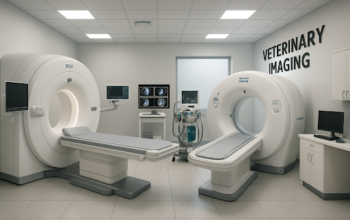
- Imaging Tests: X-rays, MRI, or CT scans help visualize the spine and identify any abnormalities.
- Blood Tests: These can detect infections or metabolic issues contributing to paralysis.
Accurate diagnosis is key to developing an effective paralysis dog treatment plan.
Available Treatment Options
Treatment for paralysis in dogs depends on the underlying cause and severity of the condition. Common treatment options include:
- Medication: Anti-inflammatory drugs or pain relievers can reduce swelling and discomfort.
- Surgery: In cases of IVDD or spinal injuries, surgical intervention may be necessary to relieve pressure on the spinal cord.
- Physical Therapy: Rehabilitation exercises can help restore mobility and strengthen muscles.
- Alternative Therapies: Acupuncture and hydrotherapy are often used to support recovery.
A comprehensive approach tailored to the dog’s specific needs offers the best chance for recovery.
Home Care and Management
Caring for a paralyzed dog at home requires patience and dedication. Here are some tips to manage their condition effectively:
- Assistive Devices: Consider using harnesses or wheelchairs to aid mobility.
- Regular Monitoring: Keep track of your dog’s progress and report any changes to the veterinarian.
- Comfort and Hygiene: Ensure your dog is comfortable and clean to prevent sores or infections.
Providing a supportive environment is crucial for your pet’s well-being during recovery.
Prevention and Long-term Care
While not all cases of paralysis can be prevented, certain measures can reduce the risk:
- Regular veterinary check-ups to detect early signs of health issues
- Maintaining a healthy weight to reduce stress on the spine
- Using tick preventatives to guard against tick paralysis
Long-term care may involve ongoing therapy or lifestyle adjustments to accommodate your dog’s needs.
Conclusion
Understanding the causes and treatment options for sudden paralysis in dogs is vital for pet owners. By recognizing symptoms early and seeking appropriate veterinary care, you can improve your dog’s chances of recovery. For more information on effective paralysis treatment for dogs, consult with a veterinary specialist to ensure your pet receives the best possible care.