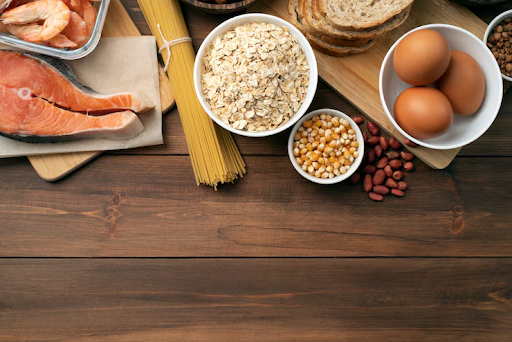
Many people trying to lose fat or maintain a healthy weight face the same challenge: staying full without consuming too many calories. That’s where protein becomes especially valuable.
Protein helps support muscle maintenance, promotes satiety, and can make calorie-controlled eating feel more manageable. The problem is that many high-protein recipes are either time-consuming or loaded with hidden calories from sauces, oils, and extras.
Fortunately, effective meal planning doesn’t have to be complicated. With a few simple ingredients and basic cooking techniques, it’s possible to create satisfying meals that deliver substantial protein while keeping calories in check.
Why Protein Matters During Weight Management
When calories are reduced, preserving muscle becomes important.
Protein supports:
- Muscle recovery
- Satiety between meals
- Strength training goals
- Overall body composition
According to the Academy of Nutrition and Dietetics, adequate protein intake can help support muscle maintenance and overall health during weight-management efforts.
Rather than relying on highly processed options, many people find success by building meals around lean protein sources and nutrient-dense ingredients.
1. Chicken and Veggie Rice Bowl
This meal combines lean protein, complex carbohydrates, and fiber-rich vegetables.
Ingredients
- 5 oz grilled chicken breast
- ½ cup cooked brown rice
- 1 cup broccoli
- ½ cup bell peppers
- Seasonings of choice
Estimated Nutrition
- Calories: ~420
- Protein: ~42g
Preparation is simple. Grill the chicken, steam the vegetables, and combine everything in a bowl for a balanced meal that works well for lunch or dinner.
2. Greek Yogurt Power Bowl
Not every high-protein meal needs to be savory.
A Greek yogurt bowl provides protein, natural sweetness, and convenience.
Ingredients
- 1 cup nonfat Greek yogurt
- ½ cup mixed berries
- 1 tablespoon chia seeds
- 10 almonds
Estimated Nutrition
- Calories: ~300
- Protein: ~28g
This option requires virtually no cooking and works well as breakfast or a post-workout meal.
3. Turkey Lettuce Wraps
Ground turkey offers excellent protein without excessive calories.
Ingredients
- 5 oz lean ground turkey
- Large lettuce leaves
- Diced tomatoes
- Onion
- Garlic
- Light seasoning
Estimated Nutrition
- Calories: ~350
- Protein: ~35g
The lettuce wraps provide crunch while eliminating the need for higher-calorie bread or tortillas.
4. Egg White and Veggie Scramble
Egg whites deliver high-quality protein with very few calories.
Ingredients
- 1 cup egg whites
- Spinach
- Mushrooms
- Tomatoes
- Onion
Estimated Nutrition
- Calories: ~250
- Protein: ~30g
This meal cooks quickly and can easily fit into a busy morning schedule.
5. Salmon and Roasted Vegetables
Salmon provides both protein and beneficial omega-3 fatty acids.
Ingredients
- 4 oz baked salmon
- Zucchini
- Asparagus
- Brussels sprouts
- Lemon juice
Estimated Nutrition
- Calories: ~480
- Protein: ~34g
The combination delivers a satisfying dinner without exceeding a moderate calorie target.
Making Meal Prep Easier
One reason people struggle with nutrition plans is inconsistency.
Preparing ingredients in advance can reduce decision fatigue and improve adherence. Consider:
- Cooking protein in bulk
- Chopping vegetables ahead of time
- Portioning meals into containers
- Keeping healthy snacks available
Individuals searching for practical 500 calorie high protein meals often discover that preparation matters just as much as recipe selection. Having ready-to-eat options available can prevent impulsive food choices when time is limited.
Small Changes That Add Up
High-protein eating doesn’t require complicated recipes or expensive ingredients.
Simple adjustments can make a noticeable difference:
- Replace higher-fat meats with leaner cuts
- Increase vegetable portions
- Choose Greek yogurt over sugary alternatives
- Use herbs and spices instead of calorie-dense sauces
- Prioritize whole-food protein sources
These changes can help improve nutrition quality while keeping overall calorie intake under control.
Conclusion
Eating for protein and calorie control doesn’t have to mean bland food or complicated meal plans. By focusing on lean proteins, nutrient-dense ingredients, and straightforward preparation methods, it’s possible to create satisfying meals that support fitness and weight-management goals. Consistency, simplicity, and smart ingredient choices often produce better long-term results than restrictive dieting approaches.