Commercial buildings across North Carolina face a wide mix of roofing challenges, from the humidity and thunderstorms common statewide to the added wind and hurricane risk closer to the coast. Because commercial roofs are typically flat or low-slope, they behave very differently from the pitched residential roofs most people are familiar with, which means both maintenance needs and repair priorities look different too. For business owners and property managers responsible for a commercial roof, understanding the basics of how these systems perform in North Carolina’s climate helps with both budgeting and long-term planning, and it makes it easier to spot a problem before it turns into an expensive emergency repair.
Why Flat Roofs Need Different Maintenance
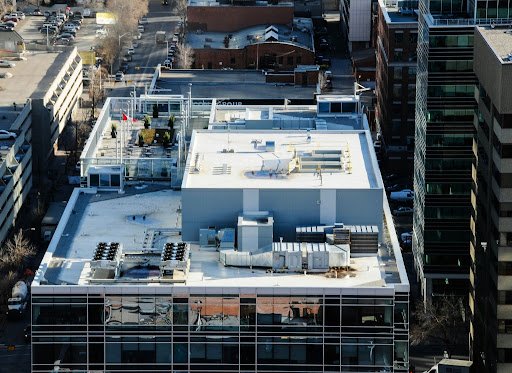
Unlike pitched residential roofs, flat and low-slope commercial roofs rely on internal or edge drainage systems to move water off the surface. Ponding water, water that sits for more than 48 hours after a rain event, is one of the more common issues commercial property owners run into, and it can accelerate membrane wear significantly if left unaddressed over multiple storms.
Regular commercial roofing north carolina helps catch drainage issues, membrane seam separation, and flashing problems before they turn into interior leaks that can disrupt business operations.
Common Commercial Roofing Systems
- TPO membrane roofing, known for reflectivity and relatively straightforward installation.
- EPDM rubber roofing, valued for flexibility and long-term weather resistance.
- Metal roofing, often used on industrial buildings for durability and lifespan.
- Modified bitumen, a layered system still common on older commercial buildings.
Seasonal Considerations for North Carolina
Spring and summer storms bring the highest risk of wind and hail damage to commercial roofs across the state, making a post-storm inspection a reasonable precaution even when no obvious damage is visible from ground level. Humidity also plays a long-term role, contributing to gradual membrane degradation that isn’t always obvious without a closer inspection.
Winter presents a different set of concerns, particularly in the Piedmont and western parts of the state where occasional freezing temperatures can stress membrane materials and any standing water on the roof. A maintenance schedule that accounts for both storm seasons and temperature swings tends to catch more issues before they become expensive repairs.
Property Types and Roofing Needs
A warehouse with a large, uninterrupted roof surface has different drainage and access needs than a multi-tenant retail center with multiple rooftop units and penetrations. Understanding how a building’s specific layout affects roofing performance is part of what separates an experienced commercial roofing provider from one that applies a one-size-fits-all approach across every property type.
Budgeting for Commercial Roof Maintenance
Scheduled inspections, typically twice a year along with post-storm checks, are generally far less expensive than reactive repairs after a leak has already caused interior damage. Property managers who build routine roof maintenance into their annual budget tend to see fewer emergency repair costs over the life of the building, since small issues get caught and addressed before they compound.
Working With a Roofing Partner Long-Term
Many property managers find it useful to establish an ongoing relationship with a single commercial roofing provider rather than starting from scratch with a new company every time an issue comes up. A provider that already has records of the roof’s history, prior repairs, and inspection notes can typically diagnose new issues faster and more accurately than one seeing the roof for the first time, which tends to shorten both diagnosis time and overall repair costs.
Documentation and Record Keeping
Keeping a file of past inspections, repairs, and warranty documents for a commercial roof makes future maintenance decisions easier and can also support an insurance claim if storm damage occurs. Some commercial roofing providers offer digital record keeping as part of an ongoing maintenance agreement, which removes the burden of tracking paperwork manually.
Final Thoughts
Commercial roofing in North Carolina requires attention to drainage, membrane condition, and seasonal weather patterns in a way that differs meaningfully from residential roofing. A consistent maintenance schedule, paired with prompt attention after major storms, remains one of the most effective ways to protect a commercial roof investment over time.