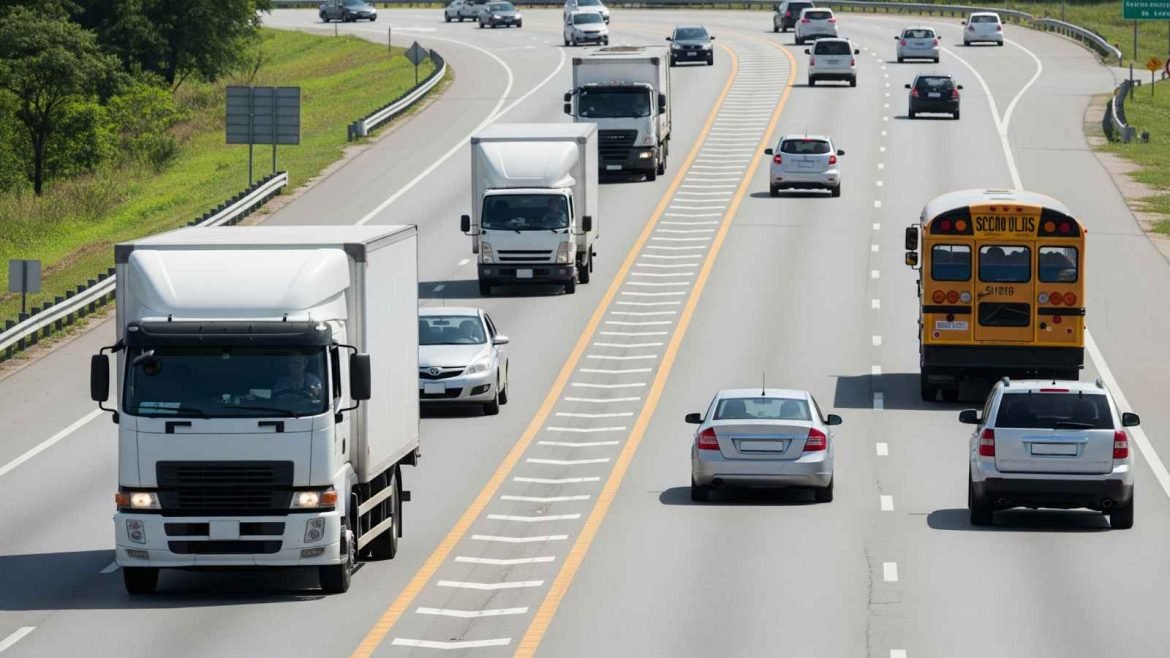
Sharing the road with large trucks is something every driver in Florida experiences. Whether you’re cruising along I-95, navigating rural highways, or dealing with heavy traffic in urban areas, you’ve likely found yourself alongside a semi-truck. But have you ever wondered what truck drivers wish you knew? Understanding their perspective not only makes the roads safer but can also prevent tragedies, including speeding truck crashes in Florida, authorities often report.
Trucks Need Much More Space to Stop
One of the most common misunderstandings among car drivers is how long it takes a truck to come to a complete stop. A fully loaded tractor-trailer can weigh up to 80,000 pounds—significantly more than a passenger vehicle. Even with well-maintained brakes, stopping distances are much greater. If you cut in front of a truck and brake suddenly, the driver may not have enough room to avoid a collision. Respecting their stopping distance is a simple step that can reduce accidents.
Blind Spots Are Bigger Than You Think
Truck drivers have what they call “No-Zones”—large blind spots around their vehicle. If you can’t see the driver in their side mirror, chances are they can’t see you either. The most dangerous blind spots are:
- Directly behind the trailer
- Along the right side of the truck
- Just in front of the cab
When driving near a truck, avoid lingering in these areas. Quick, safe passing is better than hovering in a blind spot where the driver may be unaware of your presence.
Speed Limits Matter More for Trucks
While all drivers should respect speed limits, trucks face unique risks at higher speeds. The force and momentum of a large vehicle traveling too fast make it harder to control and more likely to cause catastrophic damage in a crash. Many speeding truck crashes in Florida that officials investigate involve situations where traffic conditions demanded slower driving, but either the truck or another vehicle failed to adjust. Maintaining safe speeds—especially in bad weather or heavy traffic—protects everyone.
Merging and Lane Changes Require Courtesy
Merging in front of a truck or forcing a lane change can put everyone at risk. Trucks accelerate more slowly and require more room to maneuver. If you see a truck signaling to change lanes, give them space. Likewise, when entering the highway, try to merge behind trucks rather than squeezing ahead. This cooperation can prevent the kind of sudden movements that lead to accidents.
Weather Affects Trucks Differently
Rain, fog, and wind all pose special challenges for truck drivers. Heavy rain can reduce traction and visibility, while strong crosswinds can push a trailer sideways. Drivers of smaller vehicles may underestimate how much these conditions affect trucks. Keeping extra distance during bad weather gives truck drivers the buffer they need to correct and control their vehicles safely.
Trucks Can’t Swerve Like Cars
If a hazard suddenly appears on the road, a truck driver can’t simply swerve around it. Quick lane changes risk tipping the trailer or jackknifing. This is why it’s so important not to cut off trucks or brake unexpectedly in front of them. The safest choice for everyone is predictable, steady driving.
Patience Prevents Problems
Many truck drivers face long hours, tight schedules, and strict safety regulations. While they work hard to deliver goods safely and on time, delays are sometimes unavoidable. Tailgating, aggressive honking, or weaving around trucks increases stress and danger on the road. A little patience can go a long way toward preventing incidents.
Passing Safely Is Essential
When passing a truck, do so quickly and without lingering alongside. Always pass on the left side, where the driver’s visibility is better. Once you’re ahead, make sure you can see the truck in your rearview mirror before merging back into the lane. Cutting back too soon is one of the leading causes of car-truck collisions.
Trucks Are Often Just Doing Their Job
It’s easy to get frustrated when a truck is going slower than you’d like or taking a wide turn. But for truck drivers, safety and compliance with laws come first. They’re transporting goods that keep communities running—from groceries to building materials. Viewing them as partners on the road, rather than obstacles, can shift your mindset toward safer, more respectful driving.
Final Thoughts
Driving near large trucks requires a bit of extra awareness, but it’s worth the effort. By understanding their limitations—longer stopping distances, bigger blind spots, and the inability to maneuver like smaller vehicles—you can make smarter decisions that keep everyone safe. Many of the speeding truck crashes in Florida that we see each year could be avoided if more drivers considered the truck driver’s perspective. The road is a shared space, and when we all respect each other’s challenges, it becomes a much safer place for everyone.