Joint injuries in pets can be painful, frustrating, and sometimes life-changing if not addressed quickly. For pet owners, understanding how these injuries happen, the signs to look for, and the best ways to diagnose and treat them is essential.
With advancements in veterinary care, joint problems can often be managed successfully — but early action is the key.
Common Causes Of Joint Injuries In Pets
Joint injuries don’t just happen to older animals. Pets of all ages can face these problems. Here are some common causes:
- Accidents and falls: Pets that jump off furniture or slip on hard surfaces can injure their joints.
- Sports or high activity: Active dogs, such as those that run or chase balls daily, may strain their joints.
- Breed predisposition: Some breeds, like German Shepherds or Labrador Retrievers, are more prone to hip or elbow issues.
- Weight gain: Extra weight puts more pressure on the joints, leading to faster wear and tear.
Symptoms Pet Owners Should Watch For
Recognizing the early signs of joint injury is critical. Look for these symptoms:
- Limping or favoring one leg.
- Difficulty climbing stairs or jumping onto furniture.
- Stiffness after resting, especially in the morning.
- Swelling around the joint.
- Behavioral changes like irritability or reluctance to play.
If you notice any of these, it’s important to visit a nearby clinic and seek vet help immediately. Joint injuries worsen over time if left untreated.
Diagnosis: How Vets Find The Problem
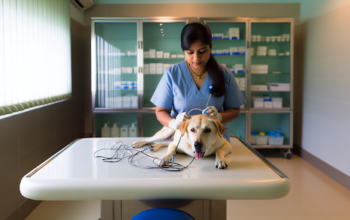
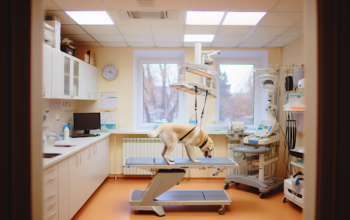
Veterinarians, diagnosing joint injuries, often start with a physical exam. But to see what’s happening inside the joint, advanced tools are needed.
- X-rays: Helpful in spotting bone fractures or advanced arthritis.
- Ultrasound: Useful for soft tissue injuries.
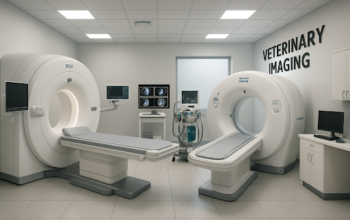
- MRI scans: This is where things get detailed. An MRI gives a clear picture of ligaments, cartilage, and soft tissues that X-rays miss.
Among these, MRI is often the preferred method, and many recommend that pet owners visit a local veterinary clinic for an MRI in Maryland when joint issues are suspected. This step allows veterinarians to make an accurate diagnosis and decide on the best treatment plan.
MRI is one of the most effective ways to detect ligament tears, cartilage damage, or subtle joint changes that other tools might miss.
Treatment Options For Joint Injuries
Once the diagnosis is made, treatment can begin. Options vary depending on the severity of the injury:
- Rest and medication: Mild injuries may only need anti-inflammatory drugs and restricted activity.
- Physical therapy: Exercises, hydrotherapy, and stretching can strengthen muscles around the joint.
- Weight management: Helping your pet maintain a healthy weight reduces pressure on injured joints.
- Surgery: In severe cases, surgical repair or joint replacement may be necessary.
Each treatment plan is tailored to the pet’s condition, but an accurate diagnosis through tools like MRI and X-rays helps ensure the chosen path leads to the best recovery.
Why Is Timely Veterinary Care Important?
Many pet owners try home remedies or wait to see if their pets improve on their own. Unfortunately, this often makes the injury worse. Seeking veterinary help early has several benefits:
- Prevents further joint damage.
- Reduces pain and discomfort for the pet.
- Improves long-term mobility.
- Provides peace of mind for the owner.
When in doubt, don’t wait. Your pet relies on you to act quickly.
How Owners Can Help Their Pets At Home
While veterinary care is the foundation of treatment, you can support your pet’s recovery at home:
- Provide soft bedding to reduce joint strain.
- Keep your pet’s nails trimmed for better balance.
- Use ramps instead of stairs when possible.
- Encourage light, controlled activity rather than intense play.
Combine these steps with professional treatment for the best results.
Final Thought
Joint injuries in pets are common but manageable with the right care. Maryland pet owners should stay alert to early signs, seek timely veterinary help, and consider advanced diagnostics like MRI when recommended.
With proper attention, your pet can return to an active, happy life — and you’ll have peace of mind knowing you did everything possible.
For more information visit us : regulararticles.com