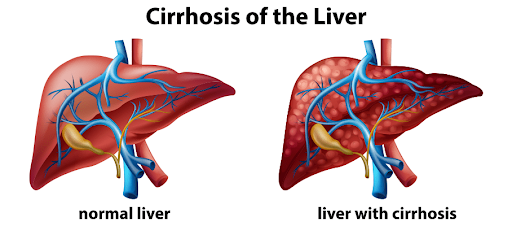
Cirrhosis is a long-term condition where healthy liver tissue is gradually replaced with scar tissue, affecting how the liver functions. It develops over time due to ongoing damage and may not show clear signs in the early stages. Understanding the cause behind cirrhosis is important, as it influences how the condition is managed and monitored. When discussing cirrhosis of the liver treatment identifying whether the damage is linked to alcohol use or other factors becomes essential for timely diagnosis and care.
What is Alcohol-Related Cirrhosis?
Alcohol-related cirrhosis occurs due to prolonged and excessive alcohol consumption. The liver processes alcohol, but repeated exposure can lead to inflammation and gradual scarring. Over time, this damage reduces the liver’s ability to function properly. The condition often begins with fatty changes in the liver, followed by inflammation. If alcohol intake continues, it may progress to cirrhosis. The risk increases with the amount and duration of alcohol consumption, although individual responses may vary.
What is Non-Alcoholic Cirrhosis?
Non-alcoholic cirrhosis develops without alcohol being the primary cause. It is commonly associated with conditions such as obesity, diabetes, and high cholesterol. One of the main contributors is non-alcoholic fatty liver disease, where fat builds up in the liver and leads to inflammation. Other causes include viral infections such as hepatitis B and C, autoimmune liver conditions, and certain genetic disorders. These factors can damage the liver over time, eventually leading to scarring similar to alcohol-related cirrhosis.
Key Differences Between Alcoholic and Non-Alcoholic Cirrhosis
Although both lead to liver scarring, alcohol-related and non-alcoholic cirrhosis differ in causes, risks, and management.
| Aspect | Alcohol-Related Cirrhosis | Non-Alcoholic Cirrhosis |
| Cause and origin | Linked to long-term alcohol intake | Develops due to metabolic conditions, infections, or immune-related factors |
| Risk factors | Excessive drinking habits | Obesity, diabetes, and a sedentary lifestyle |
| Progression pattern | Gradual development with alcohol exposure | May remain unnoticed longer without regular health checks |
| Role of lifestyle changes | Stopping alcohol can help limit further damage | Weight management and control of underlying conditions are important |
Understanding these differences supports early identification and helps guide timely medical care and lifestyle changes.
Do Symptoms Vary Between Alcoholic and Non-Alcoholic Cirrhosis?
The symptoms of cirrhosis are largely similar in both types. In the early stages, many people may not notice any clear signs. As the condition progresses, symptoms may include fatigue, reduced appetite, and mild abdominal discomfort.
In advanced stages, individuals may experience swelling in the legs, fluid accumulation in the abdomen, yellowing of the skin or eyes, and changes in concentration. These symptoms reflect the extent of liver damage rather than its cause, which is why identifying the underlying factor remains important.
Diagnosis and Identifying the Cause
Diagnosis involves a combination of medical history, physical examination, and diagnostic tests. Blood tests help assess liver function, while imaging methods such as ultrasound or MRI provide a clearer understanding of the liver’s condition.
In some cases, a liver biopsy may be suggested to confirm the extent of scarring. Determining whether cirrhosis is alcohol-related or non-alcoholic helps guide further evaluation and management.
Approach to Treatment
The approach to cirrhosis of the liver treatment depends on the underlying cause and the stage of the condition. The focus is on slowing progression and managing complications effectively.
- Alcohol-Related Cirrhosis: Avoiding alcohol completely is essential to prevent further liver damage. Medical support may be required in some cases.
- Non-Alcoholic Cirrhosis: Managing conditions such as diabetes, obesity, and high cholesterol forms a key part of care. Lifestyle adjustments, including diet and physical activity, are often recommended.
- Common Management: Regular monitoring helps detect complications early. In advanced stages, a liver transplant may be considered based on medical evaluation.
A cause-specific approach allows better long-term management and improved outcomes.
Conclusion
Alcohol-related and non-alcoholic cirrhosis differ mainly in their causes, but both lead to similar liver damage over time. Recognising these differences supports accurate diagnosis and helps guide appropriate care. Early identification of risk factors allows timely medical attention, which can slow the progression of the condition. Ongoing monitoring and lifestyle adjustments also play an important role in long-term management. With consistent care and informed decisions, individuals can better manage cirrhosis and maintain overall health and quality of life.
For more information, visit: https://regulararticles.com