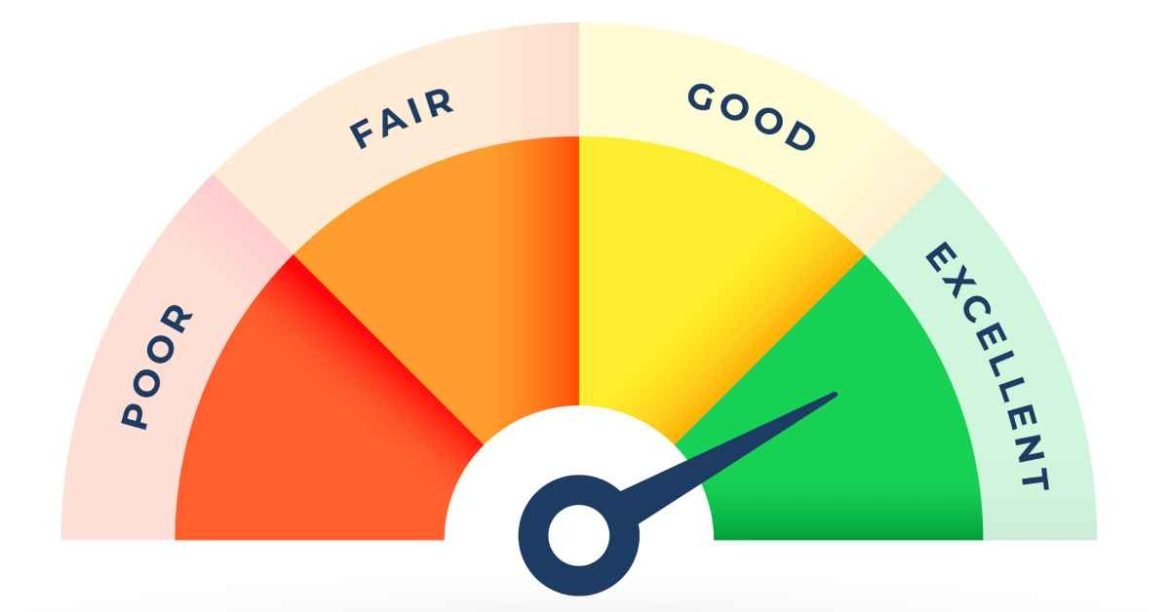
Transferring your personal loan balance to a new lender can be an effective way to save on interest rates or avail better repayment terms. However, a smooth personal loan balance transfer often hinges on your credit score, as assessed by the Credit Information Bureau (India) Limited, better known as CIBIL. If your CIBIL score is less than ideal, it can complicate the process of loan transfer or even lead to rejection. So, how can you address discrepancies or improve your CIBIL score to ensure a hassle-free personal loan balance transfer? This article delves into essential CIBIL correction tips for a seamless experience.
Importance of CIBIL Score in Personal Loan Balance Transfer
Before diving into tips for CIBIL correction, it’s important to understand why your CIBIL score plays a crucial role in personal loan balance transfers.
1. Eligibility for New Loan Offers
Lending institutions use your CIBIL score to assess whether you qualify for a loan balance transfer. A higher score increases your chances of approval and allows you to negotiate better repayment terms.
2. Interest Rates
Your score impacts the interest rate you’re offered. A lower CIBIL score may lead to higher interest rates, while borrowers with excellent scores can secure competitive rates from lenders.
3. Loan Amount and Tenure
A good CIBIL score also helps you access higher loan amounts or longer repayment tenures during personal loan balance transfers.
Given its significance, correcting any errors in your credit report and improving your score should be a top priority before attempting a personal loan balance transfer.
Common Issues That Affect CIBIL Scores
Several factors can negatively impact your CIBIL score. Identifying these issues is key to efficiently addressing them during the correction process:
1. Errors in Credit Report
Mistakes in reporting, such as incorrect personal details, loan information, or repayment history, can unjustly lower your score.
2. Delayed Payments
Missing or delaying EMI payments lowers your CIBIL score by showcasing poor financial behavior.
3. High Credit Utilization
Using a large portion of your credit limit reflects high dependency on credit, which can lower your score.
4. Multiple Loan Applications
Excessive hard inquiries made by lenders due to multiple loan or credit card applications can temporarily reduce your CIBIL score, making lenders perceive you as credit-hungry.
5. Closed Accounts Not Updated
If a bank fails to report a loan closure or credit card account closure properly, it may reflect as an open account with outstanding payments, impacting your score.
CIBIL Correction Tips for Personal Loan Balance Transfer
Whether you’re dealing with errors or aiming to proactively improve your credit score, follow these CIBIL correction tips before initiating a personal loan balance transfer.
1. Obtain and Review Your CIBIL Report
Start by obtaining your latest CIBIL report. Carefully analyze all the entries for errors, such as incorrect loan balances, payment status, or personal details like name and address. Identifying inaccuracies gives you clarity on which aspects need correction.
2. Dispute Errors with CIBIL
If you find any errors in your credit report, don’t delay in raising a dispute with CIBIL. Here’s how:
- Log in to the CIBIL platform.
- Navigate to the “Dispute Resolution” section.
- Provide details of the error along with supporting documents.
CIBIL will verify the details and correct the errors after validation. This process usually takes up to 30 days.
3. Pay Off Outstanding Dues
Ensure that you clear all outstanding dues on loans and credit cards before applying for a balance transfer. Defaults or unpaid bills significantly lower your score and act as red flags for lenders. Prompt payments on existing debts can provide an immediate boost to your CIBIL score and make your personal loan balance transfer to Bajaj Finance smoother.
4. Improve Your Credit Utilization Ratio
Try to keep your credit utilization ratio below 30%. For example, if your credit limit is ₹100,000, avoid using more than ₹30,000 of available credit. Opt for multiple credit cards or timely repayments to manage the ratio effectively.
5. Close Unused Credit Accounts
If you have old credit cards or inactive loan accounts you no longer use, request the lender to officially close them. Ensure that the account closure is reported to CIBIL so it doesn’t impact your credit score negatively.
6. Avoid Multiple Loan Applications
Be strategic about your loan applications, especially before a personal loan balance transfer. Multiple hard inquiries in quick succession can lower your CIBIL score temporarily. Instead, research lenders online and apply for a balance transfer with those whose eligibility criteria match your credit standing.
7. Maintain a Healthy Repayment History
Your payment history is one of the most significant factors affecting your CIBIL score. Keep track of EMI dates for your loans and credit card bill deadlines to avoid late payments.
8. Opt for a Secured Credit Card
If your CIBIL score is on the lower side, applying for a secured credit card can help improve it over time. These cards are backed by a fixed deposit and are easier to obtain. Regular and disciplined usage reflect positively on your credit report.
9. Avoid Settling Accounts Unnecessarily
Sometimes borrowers settle loans or credit card debts by paying less than the outstanding amount. While this may seem convenient, it reflects negatively in your CIBIL report and hampers the chances of a balance transfer approval.
How a Good CIBIL Score Enhances Personal Loan Balance Transfer
By improving your credit score following the above CIBIL correction tips, you pave the way for smoother personal loan balance transfer negotiations. Here’s how a good CIBIL score benefits the process:
1. Faster Approval
Lenders prioritize applicants with high credit scores, ensuring quicker approval processes.
2. Better Interest Rates
Borrowers with excellent scores can attract more competitive interest rates, reducing the overall cost of the loan.
3. Flexible Loan Terms
You are more likely to negotiate favorable terms, such as longer repayment tenure or higher loan amounts, with a better CIBIL score.
4. Reputation with Lenders
A strong credit profile establishes your reliability as a borrower, making lenders more willing to work with you.
Steps to Begin Your Personal Loan Balance Transfer
Once your CIBIL score reaches a desirable level, follow these steps for a seamless balance transfer:
- Select a Suitable Lender: Compare balance transfer offers from multiple lenders based on interest rates, fees, and loan terms.
- Check for Eligibility: Review eligibility criteria of your chosen lender and ensure you meet all requirements.
- Apply for Balance Transfer: Submit your loan application along with the necessary documents, including an updated CIBIL report.
- Closure of Current Loan: Finish the loan closure with your existing lender and transfer the balance amount to your new lender.
Conclusion
A personal loan balance transfer can be a strategic move to reduce your financial burden, but its success often depends on your CIBIL score. Errors or inconsistencies in your credit report can significantly impact your eligibility and terms. However, by following the above CIBIL correction tips diligently, you can improve your score and position yourself favorably in the eyes of lenders.
Take proactive steps to dispute credit report issues, maintain financial discipline with timely repayments, and manage your credit utilization ratio effectively. With a clean and strong CIBIL report, achieving a smooth personal loan balance transfer becomes much easier. Remember, your CIBIL score is a reflection of your financial behavior, so prioritize building and maintaining an impressive credit profile to enjoy better financial opportunities.