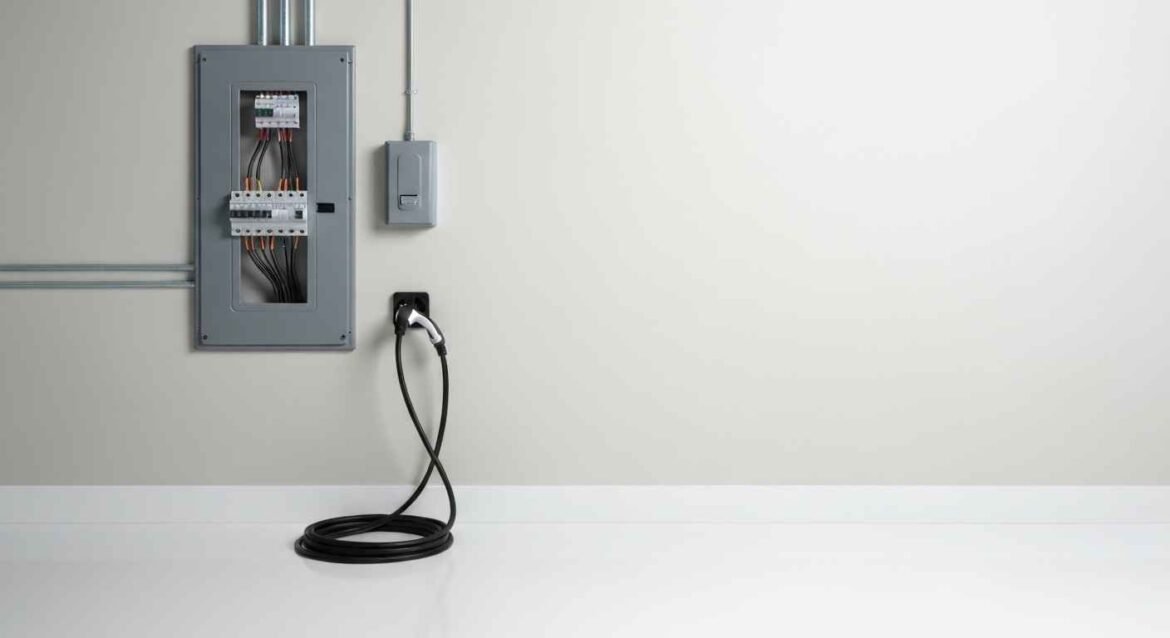
Electric vehicles are becoming a common sight in Southern California driveways. As more households make the switch, the demand for reliable home charging infrastructure has grown significantly. For many homeowners, that means looking into an EV panel upgrade in Orange County to support faster, safer charging at home.
Understanding what this upgrade involves — and why it may be necessary — helps homeowners make informed decisions before any work begins.
What Is an EV Panel Upgrade?
An electrical panel upgrade involves replacing or expanding a home’s main electrical panel to handle a higher load capacity. Standard homes built decades ago were designed around much lower power demands than what modern households require today.
When you add an EV charger — particularly a Level 2 charger running on 240 volts — your existing panel may not have the spare capacity to support it safely. An upgrade ensures the panel can handle the additional draw without tripping breakers or creating fire hazards.
Why Orange County Homes Often Need This Upgrade
Many homes in Orange County were built in the 1960s through 1990s. Panels from that era commonly max out at 100 to 150 amps, which was sufficient for the appliances of that time.
Today’s homes run significantly more electrical equipment:
- Central air conditioning and heating systems
- Smart home devices and multiple charging stations
- Electric appliances like induction stoves and heat pump water heaters
- Home office setups with multiple monitors and workstations
Adding a Level 2 EV charger — which typically requires a dedicated 40 to 60-amp circuit — on top of this existing load can push an older panel beyond its safe operating limits. An upgrade to a 200-amp or 400-amp panel creates the headroom needed to accommodate all of these demands reliably.
The Upgrade Process: What to Expect
A panel upgrade is not a DIY project. It requires a licensed electrician, permits from the local municipality, and in many cases, coordination with the utility company — in Orange County, that typically means Southern California Edison.
The general process includes:
- Assessment — An electrician evaluates the current panel, load calculations, and the planned EV charger specifications.
- Permitting — A permit is pulled from the local city or county building department before any work begins.
- Installation — The old panel is replaced with a new, higher-capacity unit. The utility may need to temporarily disconnect service during this phase.
- Inspection — A city inspector reviews the completed work to confirm it meets code requirements.
- Utility reconnection — Southern California Edison restores power once the inspection passes.
The timeline can range from one day for straightforward jobs to a week or more if utility scheduling or permit processing causes delays.
Costs and Considerations
Panel upgrade costs in Orange County vary based on several factors, including the size of the new panel, the complexity of the existing wiring, and local permit fees. A 200-amp upgrade typically falls in a different price range than a 400-amp service upgrade, which is increasingly common in homes planning for multiple EVs or whole-home electrification.
It is worth noting that California offers various rebates and incentives tied to EV infrastructure improvements. Checking with the California Public Utilities Commission and local utility programs can help offset some of the project costs.
Homeowners should also consider future-proofing. If there is any chance of adding solar panels, battery storage, or additional EV chargers down the line, planning for a larger panel now can save significant cost and disruption later.
Conclusion
An EV panel upgrade is a practical and often necessary step for Orange County homeowners who want to charge their electric vehicles safely and efficiently at home. The process involves proper permitting, licensed installation, and utility coordination — all of which protect both the homeowner and the property. Taking time to understand the scope of the project before moving forward leads to better outcomes and fewer surprises along the way.