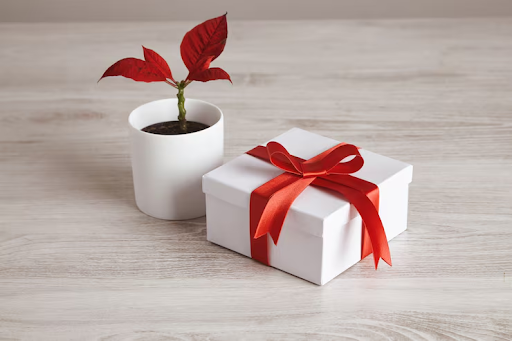
Raksha Bandhan has always been about more than the exchange of sweets and a thread on the wrist. At its core, it’s a celebration of a bond — one that’s meant to last. And yet the gifts that typically accompany the occasion rarely carry that kind of longevity. Chocolates are eaten, gift cards are spent, and gadgets eventually become outdated. A plant, on the other hand, keeps growing. Cared for well, it can outlast the occasion by years, becoming a quiet, living reminder of the gesture.
The idea of pairing rakhi with plants has gained real momentum in recent years, and it’s not hard to see why. It’s personal in a way that a box of mithai isn’t, it’s environmentally considered, and it gives the recipient something to nurture — which, symbolically, isn’t so far from what Raksha Bandhan is actually about.
Why a Plant Makes a More Meaningful Gift
Most festival gifts are consumed or forgotten within days. A plant occupies a different category entirely — it’s a gift that evolves. A small money plant on a desk, a flowering hibiscus on a balcony, or a fragrant tulsi at the entrance to a home all become part of the recipient’s daily environment. Every time they water it, place it in better light, or watch it produce a new leaf, the occasion it arrived with resurfaces briefly.
There’s also something to be said for the personalisation possible with plants. A sister who loves her balcony garden gets something different from a brother in a studio apartment with a single windowsill. The variety, the pot, the presentation — all of it can be tailored in a way that a standard gift hamper cannot.
For recipients who travel frequently or live in rented spaces, smaller varieties in self-watering pots or low-maintenance species like succulents and snake plants make practical sense. For those with outdoor space and a genuine interest in gardening, a flowering shrub or a fruiting plant can be a genuinely exciting addition.
What Is a Plantable Rakhi?
Beyond gifting plants as an accompaniment, there’s a growing category of plantable rakhis — threads made from seed-embedded paper or natural materials that can be sown in soil after the festival. Once tied and celebrated with, the rakhi is buried in a small pot or garden bed, watered, and eventually germinates into a plant.
The seeds used vary — wildflowers, herbs like basil and coriander, and even small vegetable varieties are common. The appeal is obvious: the rakhi itself becomes a living thing, which is a more poetic continuation of the festival’s symbolism than throwing it away or storing it in a drawer.
Plantable rakhis are widely available now and are often paired with a small pot, soil disc, and growing instructions, making them a complete, self-contained gift that requires no additional planning from the giver.
Choosing the Right Plant for the Right Person
Matching the plant to the recipient makes the difference between a gift that thrives and one that struggles:
For someone with no prior plant experience — Start with something genuinely forgiving. Pothos, snake plants, and ZZ plants are almost impossible to kill, require infrequent watering, and look good in any indoor setting. These are ideal for siblings who want to enjoy greenery without committing to a care routine.
For a balcony or terrace gardener — A flowering plant like ixora, crossandra, or a compact rose variety will be genuinely appreciated. These require a bit more attention but produce blooms that reward the effort.
For a home that values Vastu or natural wellness — Tulsi, money plant, and lucky bamboo all carry cultural significance and are traditional choices that resonate with households that observe these traditions.
For a sibling who travels frequently — Succulents and cacti are the obvious answer. They need water once every two to three weeks at most and handle neglect with complete indifference.
Pairing a rakhi with plants as a combined gift — the thread and a carefully chosen plant together — creates something that feels considered and complete rather than improvised.
The Benefit of Giving Something That Grows
There’s a practical argument for plant gifting beyond the sentiment. Plants improve indoor air quality, add humidity to dry environments, and have documented effects on mood and stress levels. Giving someone a plant is, in a quiet way, giving them something that works for them daily — a small, ongoing contribution to their environment and wellbeing.
For Raksha Bandhan specifically, this framing aligns naturally with the festival’s underlying theme. A brother or sister promising protection and care is, in a small way, doing something similar to what a plant does in a home — contributing something steady, living, and quietly beneficial over time.
Conclusion
Raksha Bandhan gifts don’t need to be expensive or elaborate to be meaningful. A well-chosen plant — paired thoughtfully with a rakhi, suited to the recipient’s lifestyle, and presented with a little care — carries more lasting significance than most conventional options. It’s a gift that keeps changing, keeps growing, and keeps the occasion alive long after the festival day has passed.
For More Info Visit:- regulararticles.com