Finding the right prescription glasses frames mens styles is about much more than clear vision. Frames affect how a man looks, how comfortable his glasses feel through long workdays, and even how confident he feels in social situations. With so many materials, shapes, and designs available, it can be difficult to know where to begin. A structured approach helps narrow down options and ensures that prescription glasses for men balance fit, durability, and personal style.
Understanding Face Shape and Frame Style
Face shape is one of the most important starting points when choosing mens eyeglass frames. Men with round faces often look best in rectangular or square frames that add structure and definition. Those with square faces may benefit from slightly rounded or oval frames that soften strong jawlines. For oval faces, most frame shapes work well, providing more flexibility.
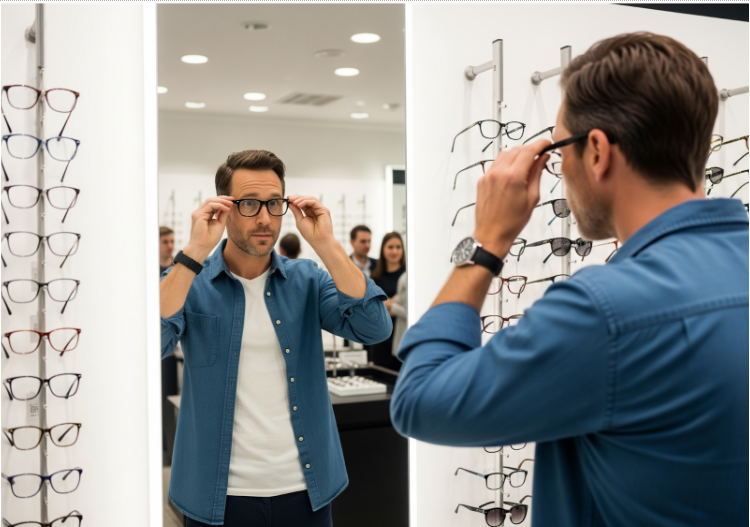
Frames should complement, not copy, the natural lines of the face. Balance is key. Wider faces typically require frames with sufficient width at the temples to avoid looking too small, while narrower faces can be overwhelmed by overly large designs. Trying different silhouettes allows men to see how each shape changes their overall appearance.
Considering Lifestyle and Daily Use
Everyday activities strongly influence which prescription glasses for men are practical. Office professionals may prefer classic, understated designs that pair well with formal clothing. Those working outdoors or in active jobs need durable frames that can withstand frequent movement and potential impact.
For men who spend long hours at digital screens, lens options such as blue-light filtering and anti-reflective coatings can reduce eye strain. Frames with spring hinges offer extra flexibility, making them more comfortable for all-day wear. Thinking about where and how glasses will be used ensures the chosen style fits real-life needs.
Materials for Durability and Comfort
Frame material plays a major role in comfort, weight, and longevity. Metal frames, such as stainless steel or titanium, are often slim, modern, and lightweight. Titanium is particularly popular for its strength and resistance to corrosion, making it a good choice for men who want durable frames with a minimal feel.
Acetate and other premium plastics offer bolder colors and patterns while remaining sturdy. These materials work well for men who want a more expressive style. Some frames combine metal and acetate, delivering both structure and design interest. Evaluating how each material feels on the face helps ensure long-term comfort.
Getting the Right Fit and Measurements
Even the best-looking frames will underperform if the fit is incorrect. Key measurements include bridge width (how the frame sits on the nose), temple length (arm length), and lens width. Frames should rest comfortably without sliding down or pinching the nose and ears.
Optical professionals can take precise measurements to align lenses correctly with the wearer’s eyes. This alignment is critical for sharp vision and reducing eye fatigue. Men should also check that frames do not press against the cheeks when smiling, as this can become irritating during daily use.
Style Choices: Classic vs. Contemporary
Style preferences vary widely among men. Some prefer minimalist, classic designs in neutral colors like black, brown, or gunmetal. These frames pair easily with both formal and casual outfits and tend to remain timeless. Others may gravitate toward contemporary options with bolder colors, thicker rims, or distinctive shapes.
Trends such as transparent frames, matte finishes, and mixed materials allow men to express their personality while maintaining a professional appearance. Choosing a primary everyday pair in a versatile style, complemented by a second pair for more casual or weekend wear, offers flexibility without the need for constant frame changes.
Lens Options to Enhance Functionality
Frames and lenses work together as a system. Different lens types—single-vision, bifocal, or progressive—may influence which frames are most suitable. Progressive lenses, for example, often perform better in frames with sufficient vertical height to accommodate multiple vision zones.
Lens coatings enhance performance further. Anti-scratch layers protect surfaces, while anti-glare coatings improve visibility at night and when using screens. UV protection is essential for long-term eye health, even in clear prescription lenses. Discussing these options helps align frame selection with lens needs.
Conclusion
Choosing prescription glasses frames for men is a blend of aesthetics, comfort, and practicality. By considering face shape, lifestyle, materials, and precise fit, men can identify frames that support both vision and personal style. Durable frames built for everyday use, combined with the right lenses and coatings, create eyewear that feels natural to wear and complements every aspect of life. Thoughtful selection turns mens eyeglass frames from a simple necessity into a dependable, confidence-boosting accessory.