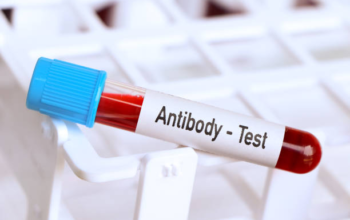
ELISA stands for Enzyme-Linked Immunosorbent Assay. It is a plate-based assay that relies on antibody-antigen interactions to detect and measure proteins, such as antibodies or hormones, in a sample.
This technique uses enzyme-conjugated antibodies and a substrate to start the enzymatic reaction. There are three types of substrates:
- Chromogenic substrates
- Chemiluminescent substrates
- Fluorescent substrates
When a substrate is added, it produces a detectable signal. The signal can be either in the form of color, light, or fluorescence, depending on the substrate used. The amount of signal produced is proportional to the amount of target protein present in the sample.
The choice of substrate plays a critical role in the test outcome. It affects how strong, clear, and stable the signal is.
For instance:
- A chromogenic substrate like TMB makes a blue color. When you add a stop solution, it turns yellow. It is simple to use and works well with a plate reader.
- A chemiluminescent substrate gives off light instead of color. It is very sensitive and can find tiny amounts of the target protein. It is a good choice when the sample has low protein levels.
- A fluorescent substrate emits a glow when exposed to special light. It is useful when you want to test for many proteins at the same time in one sample.
Each substrate has its own strengths and weaknesses. The right one can give you a strong signal, less background noise, and accurate results. The wrong one may give you a weak signal or false readings.
That’s why choosing the best substrate is so important for your ELISA test.
So, Which Substrate is Ideal for Your ELISA Test Kit?
The right substrate for an ELISA test kit depends on several factors, including:
- Sensitivity: Sensitivity means how well the test can find very small amounts of protein. If your sample has low protein, you need a very sensitive substrate.
For instance:
- Chemiluminescent substrates are the most sensitive. They can detect tiny amounts.
- Fluorescent substrates are also very sensitive.
- Chromogenic substrates are less sensitive, but good for basic tests.
- Dynamic Range: Dynamic range is the range between the smallest and largest protein levels your test can read. If your sample might contain both very low and very high levels of the target protein, you need a substrate with a wide dynamic range.
For instance:
- Fluorescent substrates usually have the widest range.
- Chemiluminescent substrates also work well across a wide range.
- Chromogenic substrates have a smaller range. They may not work well if protein levels change a lot.
- Enzyme Compatibility: The substrate must match the enzyme in your kit. Two common enzymes are HRP (Horseradish Peroxidase) and AP (Alkaline Phosphatase). HRP works well with substrates like TMB and luminol, whereas AP is compatible with pNPP and some fluorescent proteins.
- Detection Method: It refers to the type of equipment you use to read the signal. So, choose a substrate based on the tools you have.
For instance:
- Chromogenic substrates are read by a plate reader (measures color).
- Chemiluminescent substrates need a luminometer (measures light).
- Fluorescent substrates need a fluorescence reader (detects glow).
- Ease of Use: Some substrates are easy to work with, others require expertise and time. So, choose the substrate based on your experience and time.
For instance:
- Chromogenic substrates like TMB are easy. All you need to do is just add, wait, and read the color.
- Chemiluminescent and fluorescent ones need more steps and skill.
- Cost: The cost of each type of substrate is different. So, choose the substrate based on your budget.
For instance:
- Chromogenic substrates are the cheapest.
- Chemiluminescent ones cost more because they need special tools.
- Fluorescent substrates are the most expensive. They need costly machines for complex procedures.
- Background Signal: Sometimes, a signal appears when the substrate is added, even if there is no target protein present in the sample. So, a substrate with low background noise is ideal for your ELISA test kit.
Chemiluminescent and fluorescent substrates produce a lower background noise than chromogenic ones. But some fluorescent tests can get extra glow from the plate or sample itself.
The Bottom Line
Now that you know what factors affect the choice of substrate for the ELISA test and which is ideal for you, what are you waiting for? Find a reliable supplier who can provide you with ELISA kits online and ideal substrates as per your requirements.