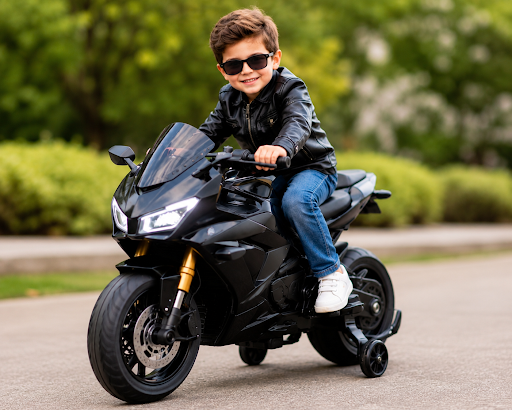
Choosing a riding toy for children requires careful attention to safety, durability, and comfort. Many parents consider a kids electric bike as an exciting option that blends fun with early riding experience. These toys allow children to enjoy movement, independence, and imaginative play while staying within a controlled and secure environment.
Before selecting a model, it is important to examine the features that contribute to safety and usability. From battery systems to design stability, several factors influence how well the toy performs and how suitable it is for different age groups. Understanding these elements helps parents choose products that provide both enjoyment and reliability.
Build Quality And Structural Durability
A well-constructed riding toy supports both safety and long-term use. Children tend to ride energetically, which means the bike must handle regular bumps, turns, and outdoor play. Evaluating the build quality ensures the product can withstand frequent use without compromising safety.
- Sturdy Frame Construction
The overall frame should be made from high-quality plastic or reinforced materials that maintain structural integrity. A strong frame prevents bending or instability while riding. It also ensures the toy can handle weight distribution properly during movement. - Impact-Resistant Body Panels
Kids often ride over uneven surfaces or accidentally bump into objects during play. Durable outer panels help absorb minor impacts and protect the internal components. This design feature also helps maintain the appearance of the bike for a longer period. - Secure Assembly and Fasteners
Screws, joints, and attachments should be tightly secured and properly integrated into the design. Loose fittings can create safety risks during use. Reliable assembly keeps the bike stable and reduces maintenance concerns over time.
Battery System And Charging Efficiency
The power system plays a central role in determining the performance of electric ride-on toys. A dependable battery ensures consistent operation and a satisfying riding experience. Many parents compare battery specifications before selecting a model that suits their child’s usage habits.
- Reliable Battery Capacity
Battery capacity directly affects how long the toy can operate before requiring a recharge. A higher capacity battery allows longer play sessions, which children appreciate during outdoor activities. It also reduces the need for frequent charging interruptions. - Safe Charging Mechanism
Charging systems should include protective features such as overcharge protection and stable connectors. These features help prevent electrical issues and extend the lifespan of the battery. A well-designed charger also ensures easy and safe handling. - Consistent Power Delivery
Smooth power output ensures that acceleration remains steady rather than sudden. Stable power delivery helps maintain better control for younger riders. It also contributes to a smoother and more enjoyable riding experience.
Age Suitability And Riding Comfort
Ride-on toys should align with the child’s age, height, and comfort needs. Designs created for specific age groups provide better balance and safer handling. In many cases, a battery-operated toy bike is designed with features that help younger riders maintain control while enjoying their playtime.
- Ergonomic Seat Design
A comfortable seat supports proper posture during riding sessions. Adequate cushioning and balanced placement allow children to sit securely while controlling the bike. Good seat design also helps prevent fatigue during extended play. - Handlebar Grip and Control Placement
Handlebars should be easy to hold and positioned at a suitable height. Textured grips prevent slipping and help children maintain better steering control. Proper placement of controls ensures that riders can operate the bike comfortably. - Balanced Weight Distribution
Proper weight distribution prevents tipping and improves stability during turns. Balanced design also ensures that the bike remains steady even when starting or stopping. This contributes significantly to rider confidence and safety.
Safety Features And Stability Design
Safety remains the most important factor when evaluating electric ride-on toys for children. Modern designs incorporate multiple safety mechanisms to ensure secure riding conditions. Parents should examine these features closely before making a purchase decision.
- Stable Wheel Configuration
Wide wheels or supportive side structures enhance overall stability during riding. These features reduce the chances of tipping while turning or stopping. Stable wheels also help maintain traction on different surfaces. - Controlled Speed Limits
Speed settings are designed to remain within safe limits for children. Moderate speed ensures that young riders can manage steering and stopping without difficulty. This feature also allows parents to feel more confident about their child’s safety. - Reliable Braking System
Effective braking mechanisms allow children to stop the bike smoothly. Proper brakes prevent sudden jerks or loss of balance during stopping. A dependable braking system is essential for maintaining control.
Design Appeal And Interactive Elements
Visual design and interactive features add excitement to children’s riding experiences. While safety remains the priority, appealing aesthetics and engaging elements make the toy more enjoyable. These design aspects encourage children to spend time in active play rather than passive activities.
- Realistic Styling Details
Many ride-on toys include design elements inspired by real motorcycles. Headlights, decals, and detailed body shapes create a more immersive riding experience. These features make the toy visually appealing for young riders. - Interactive Sound and Light Effects
Built-in lights and sound effects enhance the play experience. They simulate real riding environments and make the toy more engaging. Such features also stimulate imagination during playtime. - Attractive Color Options
Bright colors and appealing finishes make the toy more exciting for children. An attractive design encourages kids to use the toy more frequently. It also adds a sense of personal ownership to the riding experience.
Conclusion
Selecting the right ride-on toy involves evaluating several important aspects, including construction quality, safety features, battery reliability, and overall design. When parents carefully assess these factors, they can choose products that combine entertainment with responsible engineering. The right riding toy not only provides enjoyment but also encourages active play and coordination development.
Those who are looking for dependable and thoughtfully designed ride-on toy brands, like ISAKAA, are known for creating engaging products that focus on safety, durability, and child-friendly features. Alongside options such as battery operated ride on car, the brand offers products designed to balance fun with dependable performance, helping parents choose toys that children can enjoy with confidence.