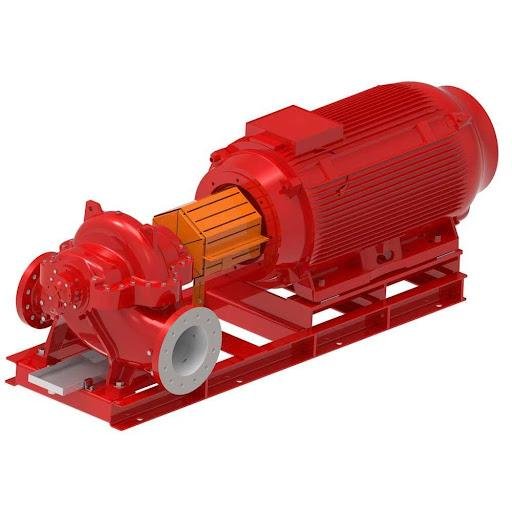
Heating, Ventilation, and Air Conditioning (HVAC) systems are the backbone of modern buildings, ensuring indoor spaces remain comfortable regardless of external weather conditions. At the heart of every efficient HVAC system lies a critical component: the HVAC pumps & systems. These pumps play a pivotal role in circulating water, refrigerants, and other fluids throughout the system to maintain optimal temperature, comfort, and energy efficiency. For engineers, facility managers, and construction professionals, understanding the types, functions, and applications of HVAC pumps is essential for designing and maintaining high-performing systems.
What Are HVAC Pumps?
HVAC pumps & systems are mechanical devices designed to move fluids through pipes and various HVAC components. These pumps ensure that chilled or heated water reaches air handling units (AHUs), fan coil units (FCUs), and other terminal devices. Proper fluid circulation is vital; without it, HVAC systems cannot maintain uniform temperature distribution, resulting in inefficiencies, higher energy consumption, and uneven indoor comfort.
In the context of the UAE and other regions with extreme climates, the demand for reliable HVAC circulation pumps in uae is particularly high. Buildings here rely heavily on HVAC systems for both cooling and heating applications, making pump selection and performance a critical consideration for developers and facility managers.
Types of HVAC Pumps
HVAC pumps are available in several types, each suited to specific applications and system requirements. Understanding these types is essential for efficient system design and operation.
1. Centrifugal Pumps
Centrifugal pumps are among the most commonly used in HVAC circulation pumps in uae. They use a rotating impeller to create centrifugal force, pushing fluid outward from the pump’s center into the discharge pipe. Centrifugal pumps are ideal for high-flow, low-pressure applications, often seen in large commercial buildings, shopping malls, and industrial facilities. Their efficiency and reliability make them a popular choice for circulating chilled or hot water throughout complex HVAC systems.
2. Inline Pumps
Inline pumps are designed to be installed directly in the piping system, offering a compact solution for mechanical rooms with limited space. These pumps are often used in mid-size commercial buildings and high-rise facilities where traditional pump installations are not feasible. Inline pumps integrate seamlessly into existing HVAC pumps & systems, ensuring efficient fluid circulation without requiring significant modifications to the existing layout.
3. Variable Speed Pumps
Energy efficiency is a growing concern in modern HVAC designs. Variable speed pumps address this by adjusting their speed according to system demand. This means that HVAC circulation pumps in uae operate only as needed, reducing energy consumption and wear on the system’s mechanical components. These pumps are particularly useful in buildings with fluctuating occupancy levels, where cooling or heating needs change throughout the day.
4. Booster Pumps
Booster pumps are employed when additional pressure is needed to ensure adequate fluid flow, especially in high-rise buildings or large complexes. By maintaining consistent pressure, booster pumps ensure that all areas, from the ground floor to the top floor, receive uniform temperature control. They are essential for preventing issues such as low water flow, uneven cooling, and inefficiencies in large HVAC networks.
Key Functions of HVAC Pumps
Understanding the primary functions of HVAC pumps & systems helps in selecting the right pump type for any building project.
- Fluid Circulation: The most fundamental function is to circulate water or other heat-transfer fluids through the system. Proper circulation guarantees that every area of a building receives the required heating or cooling, maintaining comfort and system efficiency.
- Pressure Maintenance: HVAC pumps help maintain adequate pressure across the piping network. This is particularly important in large-scale systems, ensuring fluid can travel across multiple floors and extensive piping without losing momentum.
- Temperature Control: By circulating chilled or heated water efficiently, pumps maintain consistent indoor temperatures. This prevents hot and cold spots, ensuring occupants experience a comfortable environment throughout the building.
- System Efficiency: Efficient pumps reduce energy consumption and operational costs. Pumps that match system requirements minimize the strain on motors and compressors, extending the life of the HVAC circulation pumps in uae.
- Integration with Controls: Modern HVAC systems often integrate pumps with building automation systems (BAS) or variable frequency drives (VFDs). This integration allows real-time adjustments, optimizing performance and energy efficiency while adapting to changes in occupancy or external weather conditions.
Factors to Consider When Selecting HVAC Pumps
Selecting the right pump for an HVAC system requires careful analysis of multiple factors:
- Building Size and Layout: Large commercial buildings or multi-story facilities may require multiple pumps or booster pumps to ensure effective circulation.
- Flow Rate and Pressure Requirements: The pump must handle the required fluid volume at the correct pressure to meet system demands.
- Energy Efficiency: High-efficiency and variable-speed pumps significantly reduce operating costs and energy consumption.
- Maintenance Requirements: Pumps should be accessible and easy to service, minimizing downtime and ensuring long-term performance.
- System Compatibility: Pumps must integrate seamlessly with the existing HVAC pumps & systems and control equipment.
Common Applications of HVAC Pumps
HVAC circulation pumps in uae find applications in a variety of settings, including:
- Commercial office buildings and corporate complexes
- Hospitals and healthcare facilities
- Hotels and resorts
- Industrial and manufacturing plants
- Educational institutions
Each application highlights the importance of choosing reliable, energy-efficient pumps to maintain consistent climate control and occupant comfort.
Benefits of Modern HVAC Pumps
Investing in modern HVAC pumps & systems provides numerous benefits:
- Enhanced energy efficiency and reduced utility costs
- Improved temperature consistency and indoor comfort
- Reduced maintenance requirements due to reliable operation
- Extended equipment life by minimizing wear and tear
- Adaptability to changing building requirements and occupancy patterns
Maintenance Tips for HVAC Pumps
Proper maintenance of HVAC circulation pumps in uae is critical for long-term system performance:
- Regularly check and clean strainers to prevent blockages
- Inspect mechanical seals and bearings for wear
- Monitor pump vibration and noise levels
- Ensure proper lubrication of moving parts
- Schedule periodic inspection and servicing to detect potential issues early
Following these practices ensures optimal performance, reduces downtime, and prolongs the life of both pumps and the overall HVAC pumps & systems.
Conclusion
Efficient HVAC operation depends heavily on reliable HVAC pumps & systems. Proper selection, installation, and maintenance of HVAC circulation pumps in uae ensure consistent temperature control, energy efficiency, and long-term system reliability.
By partnering with experts like FJ Group, businesses can access tailored pump solutions, professional guidance, and ongoing support to maximize HVAC performance and operational efficiency. FJ Group’s expertise guarantees projects receive high-quality pumps and efficient service, ensuring comfort and reliability across all building types.