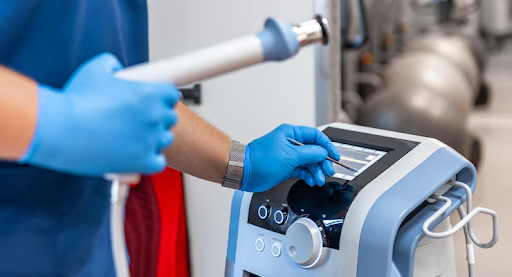
Once considered exclusive to human medicine, veterinary hyperbaric oxygen therapy is now being used at specialty veterinary centers to support healing and recovery in animal patients. This innovative treatment delivers pure oxygen under elevated atmospheric pressure, allowing oxygen to saturate tissues at levels far beyond what normal breathing can achieve. For pets with neurological conditions, wounds, infections, and post-surgical recovery needs, it represents a meaningful therapeutic advance.
What Is Hyperbaric Oxygen Therapy?
Hyperbaric oxygen therapy (HBOT) involves placing a patient inside a sealed chamber where the atmospheric pressure is increased to two to three times normal levels. The patient breathes 100% pure oxygen throughout the session. Under these conditions, oxygen dissolves directly into the blood plasma — not just into red blood cells — enabling it to reach tissues that may have compromised blood flow or reduced oxygen delivery.
In veterinary medicine, the same principles that make HBOT effective in humans apply to dogs, cats, and other companion animals. Purpose-built veterinary hyperbaric chambers are sized to accommodate animals comfortably while maintaining precise pressure and oxygen control.
How Does Hyperbaric Oxygen Therapy Work?
The increased oxygen concentration achieved during HBOT has several beneficial effects at the cellular level. It stimulates the formation of new blood vessels (angiogenesis), reduces tissue swelling (edema), fights anaerobic bacteria that cannot survive in high-oxygen environments, and enhances the natural immune response. It also reduces reperfusion injury — the cellular damage that occurs when blood flow is restored to previously deprived tissue.
These mechanisms make hyperbaric oxygen therapy for pets particularly valuable in the treatment of spinal cord injuries, brain swelling, severe infections, non-healing wounds, and conditions involving compromised blood supply.
Veterinary Conditions Treated with Hyperbaric Oxygen Therapy
Spinal Cord Injury and Neurological Conditions
One of the most promising veterinary applications of HBOT is in the management of acute spinal cord injuries and post-surgical neurological recovery. Elevated oxygen levels help reduce inflammation around the cord, limit secondary injury, and promote neural tissue healing. Dogs recovering from IVDD surgery often benefit from HBOT as part of a comprehensive rehabilitation plan.
Non-Healing Wounds and Infections
Wounds that fail to heal due to poor blood supply, diabetes, or deep tissue infection can respond remarkably well to HBOT. The high oxygen environment promotes granulation tissue formation, collagen synthesis, and bacterial clearance, accelerating wound closure.
Carbon Monoxide Poisoning
Pets exposed to carbon monoxide — from household fires, faulty heaters, or vehicle exhaust — may benefit from emergency HBOT to rapidly displace carbon monoxide from hemoglobin and restore normal oxygen delivery.
Post-Surgical Healing
Following invasive surgeries — particularly orthopedic and neurological procedures — HBOT can reduce post-operative swelling, decrease pain, and accelerate tissue repair, potentially shortening recovery timelines.
What to Expect During a Hyperbaric Session
Each session typically lasts between 60 and 90 minutes. The pet is placed in the chamber, which is then slowly pressurized to the treatment level. Most animals acclimate quickly and rest calmly during the session. A trained veterinary technician monitors the patient throughout. A course of treatment may range from a few sessions to several weeks, depending on the condition being treated.
Is Hyperbaric Oxygen Therapy Safe for Pets?
When administered by trained veterinary professionals using purpose-built equipment, HBOT is considered a safe treatment modality. Side effects are rare but can include temporary ear discomfort from pressure changes. Contraindications include untreated pneumothorax and certain respiratory conditions. A veterinarian will assess each patient’s suitability before initiating treatment.
Conclusion
Veterinary hyperbaric oxygen therapy offers a compelling, evidence-supported option for pets dealing with neurological injuries, chronic wounds, infections, and post-surgical recovery. As one of the more advanced tools available in specialty veterinary practice, hyperbaric oxygen therapy for pets provides a non-invasive way to accelerate healing and improve outcomes. If your pet has a condition that might benefit from this treatment, consult with a veterinary specialist to explore whether HBOT is right for your animal.
For more info visit : – regulararticles.com