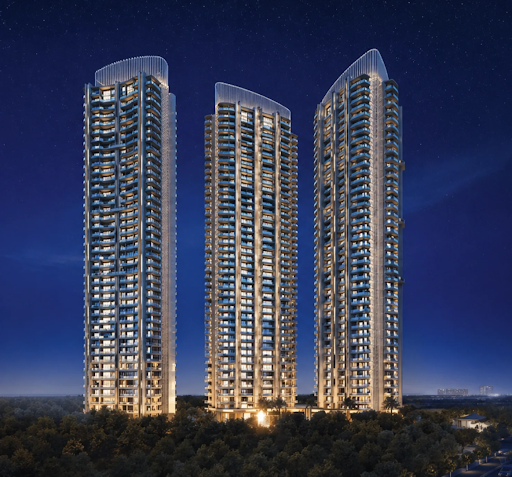
For families choosing a home, location, layout, amenities, connectivity, and construction quality often receive the most attention. However, the surrounding air quality also deserves consideration, particularly in urban environments. Premium apartments search can therefore go beyond interiors and amenities to consider the environmental conditions around a residential community. An AQI of 50 represents the upper end of the “Good” category in the Indian Air Quality Index framework, making air quality a relevant factor when families evaluate where they want to live.
What Does AQI 50 Mean for Families?
The Air Quality Index provides a simplified way to understand outdoor air pollution levels. An AQI reading of 0 to 50 falls within the Good category. At this level, air quality is generally considered satisfactory, with little or no risk from air pollution for the general population.
For families, this makes AQI a useful environmental indicator when comparing residential locations. It should not be viewed as the only measure of a healthy living environment, but it can complement other considerations such as green spaces, traffic conditions, building orientation, ventilation, and surrounding development.
AQI can also change throughout the day and across seasons. Therefore, a single reading should not be treated as a permanent description of an area’s air quality. Families can look at broader patterns rather than relying only on one day’s measurement.
Why Air Quality Becomes Important in Family Housing Decisions
A family home is more than a private indoor space. Residents interact with the surrounding environment every day through balconies, gardens, walkways, recreational areas, and outdoor activity zones.
When evaluating a luxury residential project, families may therefore consider how the development is planned in relation to its surroundings. The presence of landscaped areas, open spaces, pedestrian zones, and thoughtfully planned outdoor environments can contribute to the overall residential experience.
This is particularly relevant for households with children who spend time outdoors. A residential environment that provides dedicated spaces for walking, recreation, and community interaction can make everyday living more comfortable while also giving families opportunities to spend time outside.
Location Planning Can Influence the Residential Experience
Location remains one of the most important factors in residential decision-making. A home may have attractive interiors, but its broader surroundings can influence everyday convenience and lifestyle.
A residential development located within a planned urban environment can offer access to roads, commercial destinations, recreational facilities, and other essential services. Families can assess these factors alongside local air-quality patterns before making a decision.
For example, Wave City in Ghaziabad represents a planned urban setting where residential and commercial developments are being created alongside broader infrastructure.The portfolio of KARYAN GROUP includes residential and commercial development within this environment, reflecting its focus on planned spaces and strategic locations. Its corporate material describes residential development as a combination of comfort, convenience, contemporary design, smart planning, and lifestyle-oriented communities.
Green Spaces and Outdoor Areas Matter
Air quality is not determined by landscaping alone, but thoughtfully designed green and open areas can contribute to the character of a residential community.
Families may look for developments with landscaped gardens, open spaces, pedestrian areas, and outdoor recreational facilities. These elements can encourage residents to spend more time outdoors and create a stronger connection between buildings and their surroundings.
Trevana Residences, for example, places emphasis on a pedestrian-priority environment, with vehicular parking planned below ground and surface areas designed around landscaping, gardens, play areas, and wellness spaces. This type of planning demonstrates how outdoor environments can become an integral part of residential design.
For buyers exploring luxury homes, these considerations can be as important as apartment size, finishes, and amenities because they influence how residents experience the community beyond their individual homes.
Ventilation and Building Design Also Deserve Attention
Outdoor AQI is only one part of the indoor environment. Families should consider how a residence manages airflow, natural light, and comfort. AQI 50 can be maintained if all external windows and doors remain closed for 60 minutes and no internal pollution sources are present. This shows why indoor air conditions depend on outdoor surroundings and activities inside the home.
Apartment orientation, window placement, balconies, cross-ventilation, and indoor-outdoor connections can influence daily living. Thoughtful residential planning can bring ventilation, comfort, natural light, and outdoor connectivity together, supporting a more considered family living environment.
AQI Should Be One Part of a Wider Checklist
An AQI reading around 50 can provide useful information, but families should avoid making a residential decision based on air quality alone.
A broader checklist can include:
- Local AQI patterns across different seasons
- Traffic density around the property
- Nearby industrial or construction activity
- Availability of green and open spaces
- Apartment orientation and ventilation
- Quality of community planning
- Access to schools and healthcare
- Connectivity to major roads and workplaces
- Recreation and wellness facilities
- Construction quality and project credentials
This broader approach helps families assess the residential environment from multiple perspectives.
How Thoughtful Development Supports Modern Family Needs
A real estate development company can influence the residential experience through choices related to land selection, planning, architecture, sustainability, and community design.
KARYAN GROUP describes its development philosophy around four pillars: Land, Legacy, Progress, and Design. Its corporate material also highlights sustainable intelligence and a human-centric vision, with an emphasis on environments that support lifestyles, connections, comfort, accessibility, and meaningful interaction.
This approach is relevant to modern families because residential planning increasingly involves more than constructing individual housing units. The surrounding community, outdoor areas, movement patterns, amenities, and environmental considerations all contribute to how residents experience a home.
Conclusion
Air quality has become a practical consideration for families evaluating where to establish their homes. An AQI of 50 offers a useful reference because it falls within the Good category, but responsible home selection requires a wider assessment of location, planning, ventilation, green areas, connectivity, amenities, and construction quality. For families exploring premium apartments, considering environmental conditions alongside architectural and lifestyle factors can support a more informed residential decision.
With a clear focus on innovation, quality, sustainability, and purposeful urban development, KARYAN GROUP develops residential, commercial, and warehousing spaces with an emphasis on architectural excellence, thoughtful planning, sustainability, innovation, and long-term value. Its residential approach focuses on future-ready communities that combine comfort, convenience, contemporary design, and lifestyle-oriented planning. Projects across its portfolio reflect its broader focus on purposeful development and human-centric environments.