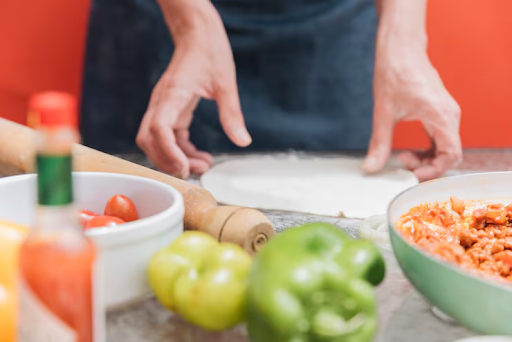
For any food business, recipe development is the backbone of product creation. Whether you’re a startup looking to introduce a new snack to the market or a well-established company aiming to expand your product line, creating the perfect recipe is crucial. This guide to food recipe development will walk you through the essential steps of recipe creation and offer tips on how to turn your food ideas into viable, market-ready products.
Why Recipe Development is Critical to Your Food Business
Recipe development is the process of transforming an idea or concept into a product that can be manufactured and sold at scale. It involves selecting ingredients, balancing flavors and textures, and ensuring that the product is both safe to consume and compliant with industry regulations. Getting the recipe right from the start is crucial to the success of your product, as it directly impacts consumer satisfaction, brand reputation, and profitability.
Key Aspects of Food Recipe Development
Food recipe development is not just about combining ingredients. It requires careful thought and planning to create a product that tastes good, meets consumer needs, and can be produced on a large scale. Below are the critical elements involved in recipe development:
1. Identifying the Market Need
Before jumping into the recipe development process, it’s essential to understand what the market needs. Are consumers looking for healthier options? Are there flavor trends gaining traction, such as spicy, savory, or plant-based foods? Conducting market research and competitor analysis helps identify gaps in the market and ensure that the product you’re developing will appeal to consumers.
2. Choosing Ingredients
Selecting the right ingredients is the foundation of a successful recipe. This step requires a balance between flavor, cost, and production feasibility. Food recipe development consultants often work with food scientists and suppliers to source the best ingredients that align with your product’s flavor profile and your brand’s values (e.g., organic, non-GMO, or gluten-free).
3. Recipe Formulation
Recipe formulation involves determining the correct balance of ingredients to achieve the desired taste, texture, and nutritional profile. This may take several rounds of experimentation to get right. During this phase, you’ll need to test different ingredient ratios, cooking techniques, and cooking times to fine-tune the recipe.
4. Scaling Up for Production
Once you’ve perfected the recipe at a small scale, it’s time to scale it for mass production. Recipe scaling involves adjusting quantities and processes to ensure the final product can be produced efficiently without sacrificing quality. Factors like ingredient availability, production methods, and cost constraints need to be considered during this phase.
5. Testing and Iteration
The development process is rarely linear. It typically involves continuous testing and iteration to refine the recipe. Consumer feedback, sensory panels, and lab testing all play a significant role in this phase. Testing allows you to gauge the product’s market readiness and make adjustments before launching the product.
Challenges in Food Recipe Development
Developing a food recipe is rarely straightforward. There are several challenges that can arise during the process, including:
1. Ingredient Availability and Sourcing
Sourcing high-quality ingredients that are available year-round can be a challenge, especially for businesses that plan to scale their production. Supply chain disruptions, ingredient shortages, and seasonal availability can affect the final product. Working with a network of reliable suppliers and diversifying ingredient options can help mitigate this challenge.
2. Cost Constraints
While it’s essential to create a high-quality product, keeping costs in check is equally important. The development process should include cost estimation for ingredients and production, ensuring that your product remains affordable to produce while maintaining competitive pricing in the market. Balancing quality with cost-effectiveness is key to a successful product.
3. Flavor and Texture Consistency
Ensuring consistent flavor and texture across batches is a major challenge when scaling up production. Variations in ingredient quality, cooking methods, and equipment can all impact the final product. Testing is critical to ensuring that each batch of the product meets the same high standards, regardless of scale.
4. Consumer Preferences
Consumer tastes and preferences evolve over time, and what’s popular today might not be as appealing tomorrow. Developing a recipe that aligns with current consumer trends while maintaining versatility for future demand is essential for long-term success.
Tips for Successful Recipe Development
- Collaborate with Experts: If you are new to recipe development, it’s a good idea to collaborate with food scientists and development consultants. Their expertise can help guide you through the process and ensure your product is ready for mass production.
- Start Small: Before scaling up your recipe for production, start small. Experiment with small batches and make necessary adjustments based on feedback.
- Focus on Quality and Consistency: Consumers expect consistency in every bite. Whether it’s flavor, texture, or appearance, ensuring that your recipe delivers a consistent product will help build brand loyalty.
- Stay Consumer-Focused: Ultimately, your recipe should be designed to meet the needs and preferences of your target audience. Conduct market research and use consumer feedback to inform your recipe development decisions.
- Be Patient: Recipe development is an iterative process. It takes time to get everything right, from ingredient sourcing to flavor formulation. Don’t rush it; take the time to perfect your product.
Conclusion
Food recipe development is a vital step in creating successful food products that stand out in the market. From identifying the market need and choosing ingredients to recipe formulation, testing, and scaling up for production, the development process is a detailed and complex journey. By taking the time to refine your recipes and working with experts, you can ensure that your product is of the highest quality, meets consumer demand, and is ready for mass production.
Whether you’re a small startup or an established company, the foundation of every successful food product begins with a well-crafted recipe. By following these steps and embracing an iterative, consumer-driven approach, you’ll be on your way to creating the next big hit in the food industry.