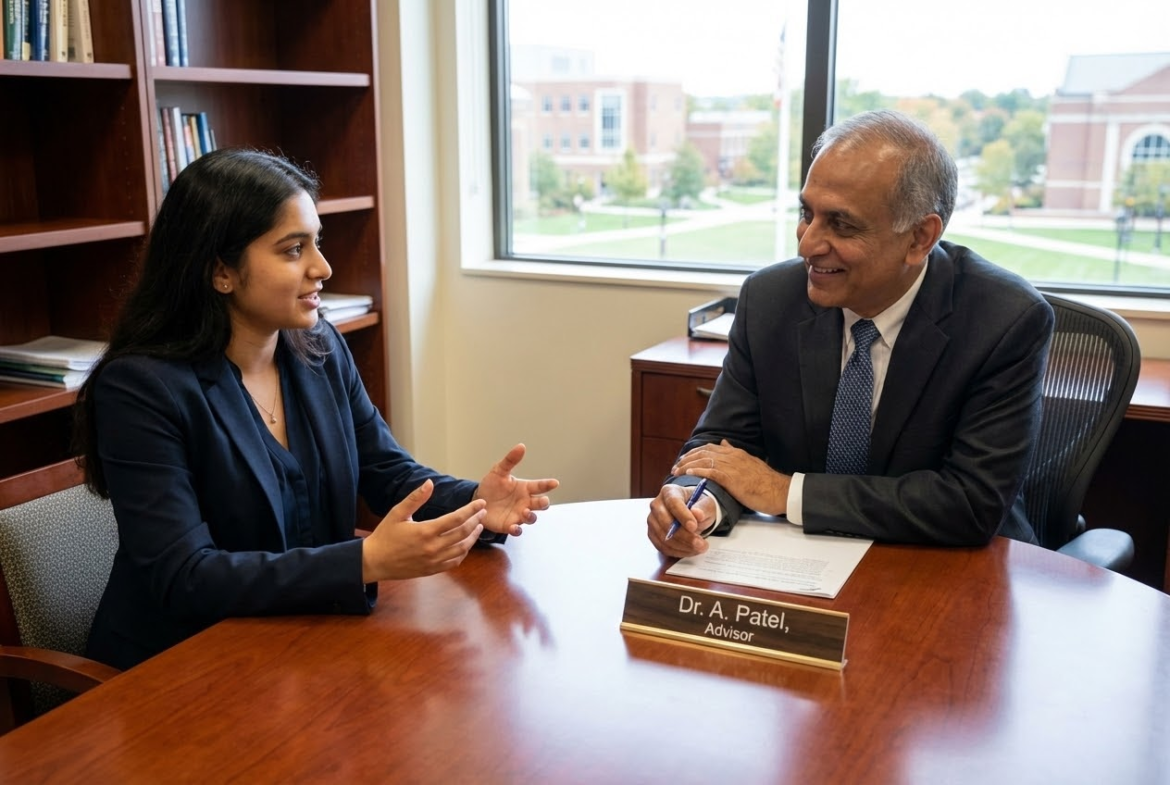
Medical school interviews represent make-or-break moments determining admission decisions at your target programs. Medical school mock interview preparation sessions provide realistic practice environments enabling identification and correction of performance issues before actual admissions interviews. Mock interviews address predictable challenges—difficulty articulating authentic motivation, uncomfortable body language, excessive filler words, or insufficient depth in responses—through structured rehearsal and expert feedback.
Participation in medical school mock interviews reveals how you actually perform under pressure, distinguishing between imagined competence and demonstrated capability. This reality-based assessment enables targeted improvement, addressing specific weaknesses while reinforcing strengths, preparing you for genuine interviews with confidence and polish.
Formats and Structure of Medical School Mock Interviews
Medical school mock interview preparation typically addresses two primary formats. Traditional interviews feature extended conversations with one or more interviewers exploring personal experiences, motivations, values, and ethical reasoning. MMI (Multiple Mini Interview) format involves rapid rotations through multiple stations, each presenting distinct scenarios that require quick thinking and articulate responses.
Effective mock interview preparation addresses the specific formats of your target schools. Traditional interview mocks emphasize sustained dialogue, handling follow-up questions, and developing nuanced responses that demonstrate depth. MMI mocks focus on rapid station transitions, concise responses, thinking-on-your-feet, and effective time management under pressure.
Core Competencies Evaluated During Medical School Mock Interviews
Admissions committees assess multiple competencies during interviews. Intellectual capability emerges through response quality, depth of thinking, and ability to articulate complex ideas clearly. Communication skills include clarity, listening, and an appropriate tone. Interpersonal effectiveness is revealed through empathy, respect for others’ perspectives, and collaborative engagement.
Medical school mock interview preparation develops these competencies through realistic practice. Expert interviewers provide feedback on response quality, communication patterns, and interpersonal effectiveness—dimensions that applicants frequently cannot self-assess accurately. This external perspective enables targeted improvement impossible through independent preparation.
Common Interview Challenges and Strategic Solutions
Predictable interview challenges emerge consistently. Many applicants struggle to articulate authentic motivation for medicine with sufficient specificity and conviction. Others describe experiences without clearly explaining significance or impact. Some manage time poorly, providing excessive detail for simple questions while rushing complex responses.
Medical school mock interview preparation addresses these challenges systematically. Interviewers help applicants develop clear, compelling motivation narratives—answering “Why medicine?” with authentic conviction and appropriate specificity. Mock interviews also develop time management skills, helping applicants determine response length matching question complexity.
The Feedback Process and Performance Improvement
Quality medical school mock interview preparation includes comprehensive feedback addressing content, delivery, and behavioral dimensions. Content feedback examines response quality—depth of thinking, specificity of examples, relevance to questions posed. Delivery feedback addresses articulation, pacing, clarity, and appropriate word choice. Behavioral feedback highlights non-verbal communication—eye contact, posture, hand movements, facial expressions.
This multi-dimensional feedback enables comprehensive performance improvement. Applicants often discover surprising disconnects between intended message and actual communication. Mock interviews reveal how nervousness manifests behaviorally, what authentic voice sounds like under pressure, and which talking points resonate effectively versus which fall flat.
Preparing Authentic, Compelling Responses
Medical school mock interview success requires moving beyond memorized talking points to authentic, compelling narratives. Experienced interviewers help applicants develop genuine responses reflecting authentic experiences and motivations rather than canned answers. This authenticity appeals to admissions committees seeking genuine passion rather than polished insincerity.
Preparation involves identifying specific experiences exemplifying your qualities—perseverance, leadership, empathy, intellectual curiosity. Medical school mock interview interviewers help you articulate why these experiences matter, what you learned, and how they inform your medical commitment. Thoughtfully developed narratives resonate far more powerfully than generic responses.
Managing Stress and Building Confidence
Interview anxiety undermines performance for otherwise strong applicants. Medical school mock interview participation familiarizes you with interview dynamics, reducing novelty-induced anxiety. Repeated practice builds confidence through demonstrated competence. Positive feedback reinforces strengths, reducing worry-driven self-doubt.
Strategic practice reduces performance anxiety substantially. By the time you face actual interviews, the format feels familiar, questions feel manageable, and your responses flow naturally. This confidence translates into more authentic, compelling performance impressing admissions committees.
Maximizing Mock Interview Value
Prepare for medical school mock interviews as seriously as you would for actual interviews—professional attire, mental preparation, and focused engagement. Treat mock interviews as genuine rehearsals rather than low-stakes practice. This approach develops authentic performance patterns rather than artificially polished versions, which differ markedly from actual interview-day behavior.
Request detailed feedback addressing both strengths to reinforce and weaknesses to address. Ask follow-up questions clarifying feedback suggestions. Consistently implement feedback across multiple mock sessions to enable measurable improvement.
Conclusion
Medical school mock interview participation transforms interviews from anxiety-inducing unknowns into manageable, familiar challenges. Through realistic practice, expert feedback, and targeted improvement, mock interviews build the confidence and competence enabling strong performance when it matters most. By treating mock interviews as serious preparation rather than casual practice, applicants maximize their potential for authentic, compelling performance, distinguishing them favorably in competitive admissions decisions.