Cancer remains one of the leading causes of death worldwide. Early detection and accurate monitoring of disease progression are crucial for effective treatment. This is where cancer biomarkers play a vital role.
Biomarkers are molecules, proteins, or genes that indicate the presence of cancer in the body. Detecting them accurately can help diagnose cancer at an early stage, predict outcomes, and guide treatment decisions. Here is where polyclonal antibody comes into play.
What are Polyclonal Antibodies?
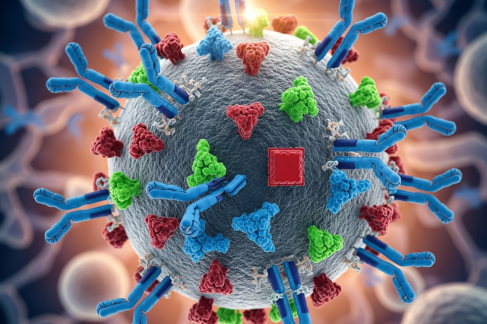
Polyclonal antibodies are a mixture of antibodies that recognize multiple epitopes (specific regions) on a single antigen. Unlike monoclonal antibodies, which bind to a single epitope, polyclonal antibodies can attach to various parts of a target protein.
This diversity provides several advantages:
- Higher sensitivity: They are more likely to detect low-abundance proteins.
- Better detection of protein variants: Since they target multiple epitopes, they can recognize slightly altered or misfolded proteins.
- Robust performance in complex samples: Polyclonal antibodies can work effectively even in samples with other interfering molecules.
For example, researchers use the anti-GOLGA7 polyclonal antibody to study the GOLGA7 protein, which plays a role in cellular signaling and vesicle trafficking. Dysregulation of such proteins can contribute to cancer progression.
By using polyclonal antibodies, scientists can detect GOLGA7 in tumor tissues, track its expression patterns, and evaluate its potential as a cancer biomarker. This demonstrates how polyclonal antibodies provide both sensitivity and versatility for cancer research.
The Importance of Cancer Biomarkers
Cancer biomarkers can be proteins, DNA, RNA, or metabolites that indicate the presence of cancer. They are crucial for several reasons:
- Early detection: Some cancers are asymptomatic in early stages. Biomarkers can reveal the disease before symptoms appear.
- Monitoring treatment response: Changes in biomarker levels help doctors understand whether a therapy is working.
- Predicting prognosis: Certain biomarkers correlate with aggressive or slow-growing cancers.
- Guiding personalized therapy: Biomarker profiling allows for targeted treatment based on a patient’s specific cancer type.
Detecting these biomarkers accurately is essential, and this is where polyclonal antibodies are making a difference.
How Polyclonal Antibodies Enhance Cancer Biomarker Detection
Polyclonal antibodies improve cancer biomarker research in several ways:
1. High Sensitivity for Low-Abundance Proteins
Many cancer biomarkers are present in tiny amounts, especially in the early stages. Polyclonal antibodies, due to their ability to recognize multiple epitopes, can bind effectively to these low-abundance proteins. This results in higher sensitivity and reduces the chance of false negatives.
2. Detecting Protein Variants and Modifications
Cancer cells often produce modified or misfolded proteins. Polyclonal antibodies can recognize these variants, which monoclonal antibodies might miss. For example, post-translational modifications like phosphorylation or glycosylation are common in cancer proteins. Polyclonal antibodies help detect these modified forms, providing deeper insights into tumor biology.
3. Versatility Across Different Assays
Polyclonal antibodies are effective in a range of laboratory techniques, such as:
- Western blotting – for detecting protein size and quantity.
- ELISA (Enzyme-Linked Immunosorbent Assay) – for quantifying biomarker concentration.
- Immunohistochemistry – for visualizing protein expression in tissue samples.
Their versatility allows researchers to validate biomarkers using multiple approaches, increasing confidence in the results.
Advantages Over Monoclonal Antibodies in Cancer Research
While monoclonal antibodies are highly specific, they may fail to recognize proteins that have minor structural changes. Polyclonal antibodies, by targeting multiple epitopes, are more forgiving of these variations. They also provide stronger signals in detection assays because multiple antibodies bind simultaneously to the same protein.
This makes polyclonal antibodies particularly valuable in exploratory research, where identifying new or modified biomarkers is the primary goal.
Challenges and Considerations
Despite their advantages, polyclonal antibodies also have limitations:
- Batch variability – Since they are produced in animals, different batches can vary slightly in antibody composition.
- Lower specificity – The multiple binding sites can sometimes lead to cross-reactivity with unrelated proteins.
Researchers address these challenges by carefully validating antibodies and using complementary techniques to confirm results.
The Future of Polyclonal Antibodies in Cancer Biomarker Research
Polyclonal antibodies are poised to play an even greater role in cancer research:
- Integration with proteomics – Combining polyclonal antibodies with mass spectrometry enhances the discovery of novel biomarkers.
- Therapeutic development – Beyond diagnostics, polyclonal antibodies could help identify targets for new cancer therapies.
- Personalized medicine – By detecting patient-specific biomarker patterns, polyclonal antibodies can support more precise treatment strategies.
Conclusion
Polyclonal antibodies have transformed cancer biomarker research. Their high sensitivity, ability to detect protein variants, and versatility across assays make them indispensable for studying cancer biology. By detecting early-stage biomarkers and monitoring tumor progression, these antibodies help improve diagnosis and treatment strategies.
If you are wondering where to buy high-quality polyclonal antibodies, you can rely on AAA Biotech. For more information, visit the site.