Over the past ten years, strength training facilities have seen tremendous change. General equipment is no longer the only emphasis of community sports facilities, performance training facilities, commercial gyms, and rehabilitation clinics. Specialised tools that facilitate safer lifting, improved performance, and long-term durability are in greater demand nowadays.
The Texas deadlift bar is one piece of equipment that is gaining popularity. Although ordinary barbells are still necessary, commercial gym operators and professional lifters are beginning to recognise the benefits of providing a dedicated deadlift bar. Facility owners can choose equipment more wisely if they are aware of the differences.
Understanding the Difference Between a Standard Bar and a Texas Deadlift Bar
The purpose of a conventional barbell is versatility. Squats, presses, Olympic exercises, and deadlifts are just a few of the many lifts it supports. It is therefore a necessary component of every commercial gym equipment arrangement.
On the other hand, a Texas deadlift bar is designed specifically for the deadlift. Advanced lifters and strength-focused facilities favour it because of its optimised design, which supports larger loads, controlled flex, and improved grip location.
Key Design Features That Set the Texas Deadlift Bar Apart
It’s not a cosmetic difference. It comes down to performance and engineering.
Extended shaft length
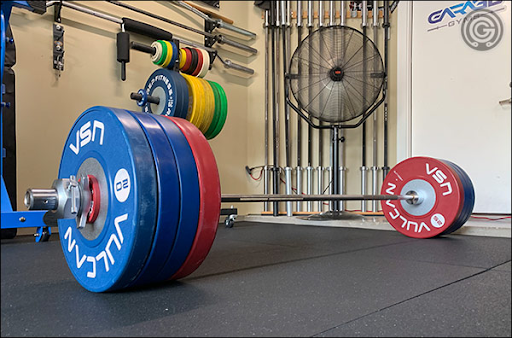
Generally speaking, a Texas deadlift bar is longer than a regular bar. This lessens the shock load at the beginning of the lift and enables more controlled flex when lifting heavier weights.
Reduced diameter
Particularly for lifters hauling heavy loads without restraints, the somewhat thinner shaft increases grip. This is especially useful in powerlifting and performance centres.
A stronger whip
The bar can bend slightly before the plates completely lift off the ground because to the controlled flex, often known as whip. This aids lifters in maintaining improved lifting mechanics and creating momentum.
Aggressive knurling
Deeper knurling on deadlift bars enhances grip security. This is helpful in commercial gyms where grip fatigue is a prevalent problem and chalk use may be restricted.
Why Serious Lifters Prefer the Texas Deadlift Bar
Training results for experienced lifters are directly impacted by the quality of the equipment. A deadlift bar made in Texas supports:
- Increased effectiveness when lifting larger loads
- Less stress during the first pull
- Increased confidence in gripping when tired
- Training for competition standards should be consistent.
These advantages result into safer strength growth and quantifiable progress for athletes training in performance centres or sports facilities.
Why Commercial Gyms Are Adding Deadlift-Specific Bars
Offering specialised equipment is a clear message from a commercial standpoint. It demonstrates that a facility is aware of the requirements of serious athletes and lifters.
A better experience for members
Expert lifters like having access to specially designed equipment. Having a Texas deadlift bar makes it easier to draw in and keep members who value strength training.
Decreased general bar wear
The longevity of other commercial gym equipment is increased by using a dedicated deadlift bar for big pulls, which lessens the excessive strain on regular bars.
Adaptability to various training settings
In addition to powerlifting areas, deadlift bars are utilised in sports performance spaces and rehabilitation clinics where controlled loading is crucial.
Equipment zoning that is clear
By separating general exercise from heavy lifting zones, speciality bars enhance gym flow and promote safety and order.
Applications Beyond Powerlifting
Despite being frequently linked to strength training, a Texas deadlift bar is useful in a variety of settings:
- Rehabilitation centres with controlled mobility and progressive loading
- For the purpose of teaching safe lifting techniques, schools and community sports facilities
- Strength-based program-focused physical therapy studios
- Sports performance facilities where skill and load management are important
Because of its architecture, physicians and trainers can safely scale training without sacrificing form.
Is a Texas Deadlift Bar Necessary for Every Gym?
While most commercial gyms benefit from having at least one deadlift bar, not all facilities require numerous bars. The biggest returns will be seen by facilities that specialise in functional training, strength development, or athletic growth.
Whether a Texas deadlift bar replaces a regular bar is not the most important consideration when assessing commercial gym equipment. Rather, it is about providing the appropriate resources for the appropriate training results.
Making Smarter Equipment Decisions
The ability of contemporary training areas to accommodate various user needs is a criterion. The choice of equipment has a significant impact on long-term engagement, performance, and safety for both general members and competitive athletes.
Instead than competing with regular bars, a Texas deadlift bar enhances them. It is a useful improvement that shows a dedication to high-quality training conditions for serious lifters and well-equipped facilities.
Gyms and performance centres may create environments that promote advancement, lower the chance of harm, and provide genuine benefit to their communities by carefully investing in specific equipment.